Over-the-air (OTA) updates have become a game-changer for fleet management in the US and EU. Modern commercial vehicles are highly software-driven, with telematics, driver assistance, and energy management systems all controlled by code. Traditional software updates required service center visits, causing downtime and operational delays. OTA allows fleets to push updates remotely, reducing maintenance costs and keeping vehicles on the road longer.
While OTA updates offer efficiency, they come with operational risks. A buggy release can cause system errors, safety alerts, or performance issues. In commercial fleets, even minor disruptions can lead to missed deliveries or regulatory non-compliance. Managing this risk is crucial to maintain smooth operations and protect fleet productivity.
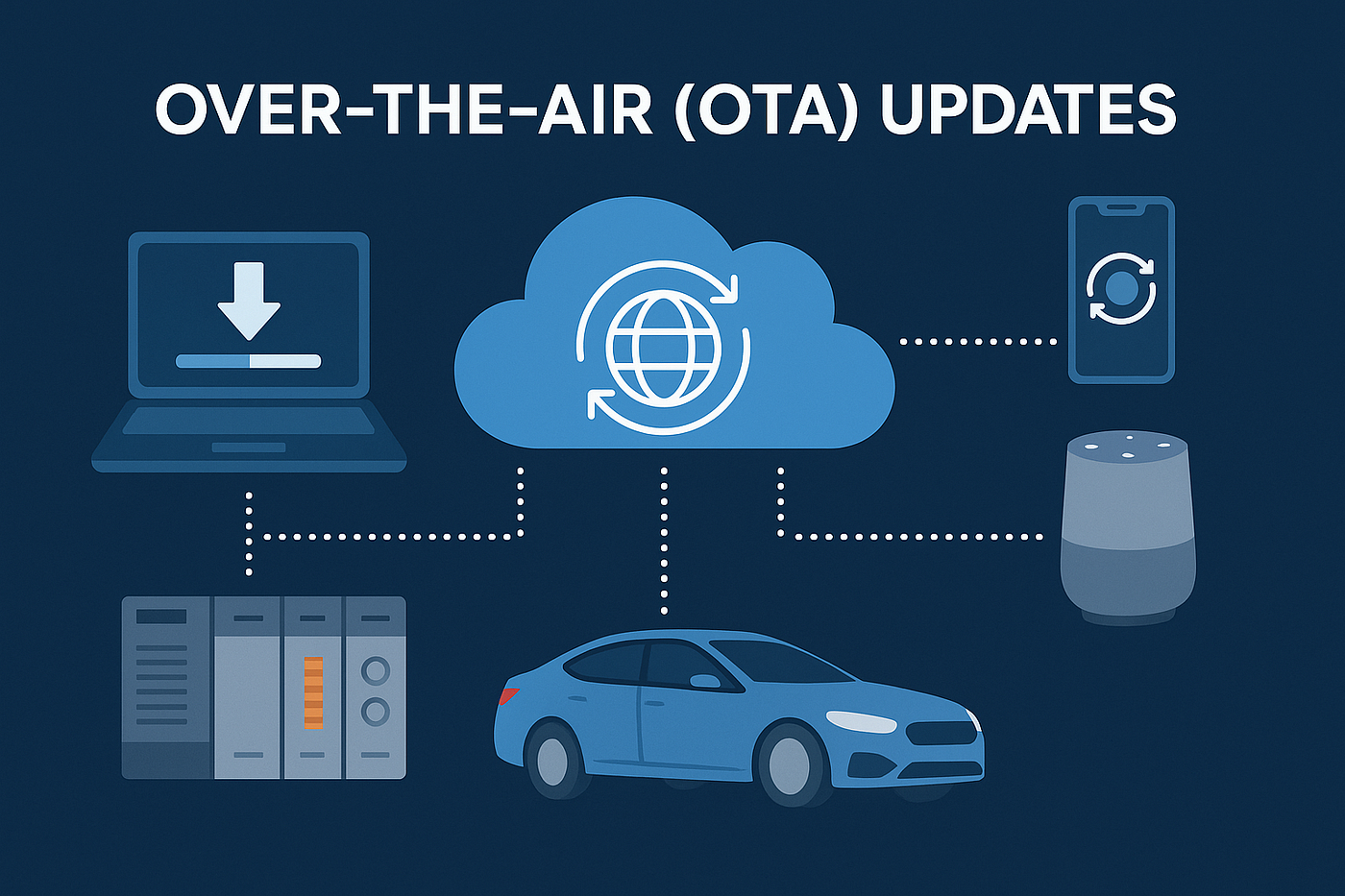
Fleet operators now adopt strategic approaches to mitigate OTA risks. One proven method is the canary deployment strategy, where software updates are rolled out gradually to a small group of vehicles first. This approach ensures updates are stable and effective before a full fleet-wide deployment, balancing innovation with operational reliability.
Understanding Canary Deployments
Canary deployments work like a pilot program for software updates. Instead of releasing changes to all vehicles simultaneously, a small subset receives the update first. This early batch acts as a test group, revealing potential issues under real-world conditions without affecting the entire fleet. It provides both technical validation and insights into driver interactions with new features.
Selecting the right vehicles for a canary rollout is critical. Operators often choose vehicles representing diverse types, routes, and operating conditions. This ensures that the initial data reflects the fleet’s variety and helps detect issues that could impact broader operations. Less critical routes or off-peak hours are typically preferred to reduce disruption risk.
Monitoring during the canary phase is essential. Key metrics such as system performance, energy consumption, fault triggers, and driver feedback are tracked closely. Anomalies can be flagged immediately, and updates can be paused, rolled back, or adjusted before wider deployment. This structured approach keeps fleet operations stable while enabling continuous software improvement.
Safety and Compliance Benefits
Safety is a primary concern in fleet OTA updates. Fleet vehicles operate in highly regulated environments, and any software issue could compromise operational safety. Canary deployments allow teams to detect and address problems early, minimizing risks to drivers, cargo, and other road users. For fleets in the US, compliance with FMCSA rules and hours-of-service regulations is critical, while EU fleets must adhere to safety and emissions standards.
Canary strategies also enhance compliance reporting. By documenting incremental update results and system performance during early deployments, fleets maintain auditable trails that demonstrate responsible software management. Regulators can see that changes were validated in real-world conditions before full implementation.
Additionally, early detection of issues prevents unsafe driving conditions. For example, a faulty braking assist or energy management feature could create hazardous scenarios. Canary deployments catch such errors before they propagate across the entire fleet, ensuring operational and legal compliance while protecting drivers and assets.
Enhancing Fleet Productivity
Canary strategies not only protect safety but also support productivity. Rolling out updates gradually allows fleet managers to minimize downtime and avoid operational bottlenecks. Vehicles remain available for essential deliveries while the update is tested in a controlled subset. This reduces the risk of widespread disruptions that could affect schedules and revenue.
Data collected during canary rollouts informs broader fleet optimization. Performance metrics, energy efficiency, and feature usability insights help identify ways to enhance vehicle operation across the fleet. Predictive analytics can anticipate potential problems, enabling proactive maintenance and route planning that improves overall efficiency.
Driver engagement also improves with staged updates. Drivers in the canary group receive guidance on new features and can provide feedback before broader deployment. Their input helps refine updates and ensures that usability and operational requirements are met. This participatory approach increases acceptance and reduces learning curves across the full fleet.
Lessons from Successful Canary Deployments
Successful fleets start small and expand gradually. Non-critical updates, like telematics dashboards or interface tweaks, are typically tested first. Once stability is confirmed, more critical system updates, such as safety or energy management modules, are deployed in phases. This incremental approach builds confidence in OTA capabilities while mitigating operational risks.
Automation is key to monitoring canary deployments effectively. Fleet teams rely on dashboards that visualize performance metrics in real-time, allowing rapid identification of anomalies. Threshold-based alerts ensure immediate action when issues arise, making the process both proactive and efficient.
Finally, collaboration between engineers, fleet operators, and drivers is essential. Cross-functional teams review canary data, validate software performance, and adjust deployment strategies. This teamwork ensures that updates meet both technical and operational standards, balancing innovation with safety and reliability.
The Future of Fleet OTA and Canary Strategies
As vehicle software becomes more complex, OTA updates will continue to grow in importance. Canary strategies provide a framework that enables fleets to adopt new features, improve efficiency, and maintain compliance without disrupting operations. In both US and EU markets, fleets that master staged OTA rollouts gain a competitive edge by keeping vehicles on the road, drivers safe, and customers satisfied.
By integrating canary strategies into fleet management, operators create a culture of continuous improvement. Updates are delivered confidently, performance metrics are transparent, and driver feedback shapes innovation. Fleets become more agile, resilient, and capable of embracing software-driven transformations without risking uptime.
In conclusion, rolling OTA updates with canary strategies ensures fleets remain safe, efficient, and competitive. By testing updates on a small scale, monitoring performance, and scaling responsibly, operators can achieve both innovation and operational stability. In today’s connected fleet environment, this approach is not just smart — it’s essential.