Driver coaching has evolved significantly in recent years, especially in the US and EU commercial fleet markets. Traditional coaching relied on periodic reviews, accident reports, and manual observation, which often lagged behind real-world driving behavior. This approach made it difficult for fleet managers to provide timely feedback or prevent risky driving patterns from becoming habits. Today, AI-powered coaching is changing the game by delivering real-time, data-driven insights directly to drivers.
AI coaching collects data from telematics systems, cameras, and onboard sensors to monitor behaviors such as braking, acceleration, cornering, and lane discipline. These insights allow managers to identify patterns that might increase crash risk or reduce operational efficiency. By analyzing data continuously, fleets can intervene before small mistakes escalate into costly incidents.

This shift also addresses the growing complexity of modern fleets. Drivers operate different vehicle types and navigate varying road regulations across regions. AI coaching helps standardize feedback across diverse operations, ensuring all drivers receive actionable insights tailored to their performance while supporting fleet-wide safety and productivity goals.
Enhancing Safety Through AI
Safety is the foundation of effective fleet operations. Accidents not only endanger drivers and others on the road but also impact insurance costs, compliance, and operational reputation. In both the US and EU, regulatory oversight demands fleets maintain high safety standards, making proactive coaching essential. AI-driven systems provide real-time alerts for unsafe behaviors, including speeding, harsh braking, or tailgating, helping drivers correct mistakes immediately.
These systems also provide detailed post-trip analysis. Managers can review specific events with drivers, using objective data to guide coaching sessions. This targeted approach is more effective than general advice and allows drivers to understand exactly what behaviors need improvement. Over time, consistent feedback reduces risk exposure and fosters safer driving habits across the fleet.
Furthermore, AI coaching identifies recurring risk patterns. By analyzing trends, such as frequent lane departures or aggressive acceleration, fleets can implement training programs that address underlying issues. This predictive approach reduces the likelihood of accidents and enhances compliance with regulations such as the FMCSA in the US or EU road safety directives.
Boosting Productivity with Intelligent Insights
While safety is paramount, fleets cannot ignore productivity. Timely deliveries, efficient routes, and optimal energy or fuel consumption are critical to operational success. AI coaching helps drivers operate more efficiently by analyzing driving patterns and providing suggestions to minimize delays and reduce waste. Smooth acceleration, consistent speed, and optimized route adherence improve both delivery times and operational costs.
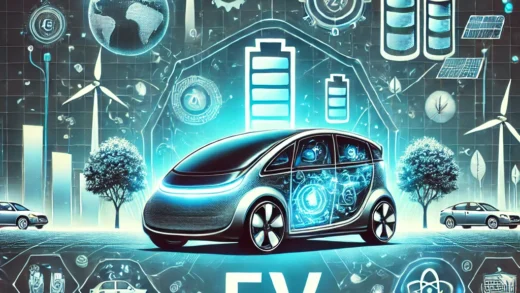
For electric vehicle fleets, AI coaching can extend range by optimizing driving behavior. By monitoring energy usage, the system provides drivers with recommendations to conserve battery life, plan charging stops efficiently, and avoid delays. In conventional vehicles, fuel consumption can be reduced without compromising delivery schedules, benefiting both cost management and sustainability initiatives.
AI insights also reduce idle time and unnecessary detours. Drivers receive feedback on inefficient behavior, helping them stay on schedule while maintaining safety. Managers gain real-time visibility into fleet productivity, enabling better planning, faster problem-solving, and improved operational coordination across large, dispersed fleets.
Where Safety and Productivity Align
AI coaching is most effective when it finds a balance between safety and productivity. Many driving behaviors affect both simultaneously, such as harsh braking, aggressive acceleration, or speeding. By correcting these behaviors, drivers not only reduce crash risk but also lower fuel consumption, minimize vehicle wear, and improve route efficiency.
Predictive insights help fleets anticipate potential risks while maintaining productivity. For example, AI can forecast when a driver might approach fatigue or exceed recommended driving limits. Early intervention protects both safety and operational goals, ensuring compliance with regulations like hours-of-service rules in the US and EU.
Feedback loops reinforce positive behaviors. Immediate alerts and performance dashboards allow drivers to see the direct impact of safer and more efficient driving on operational metrics. This continuous reinforcement encourages long-term improvement, creating a culture where safety and productivity go hand in hand.
Challenges and Considerations
Despite its benefits, AI coaching requires careful implementation. Some drivers may initially resist automated feedback, perceiving it as intrusive. Fleet managers must communicate that AI is a support tool designed to enhance performance rather than punish mistakes. Involving drivers in the coaching program increases adoption and fosters trust.
Data privacy is also a critical consideration, particularly in the EU under GDPR regulations. AI systems must be transparent about what data is collected, how it is used, and who can access it. Ensuring privacy compliance maintains driver confidence while protecting the fleet from regulatory penalties.
Integration with broader training and incentive programs is essential. AI insights are most effective when reinforced with targeted coaching, performance reviews, and recognition for improvement. A holistic approach ensures that drivers understand the benefits of AI coaching and feel motivated to implement suggested changes consistently.
The Future of AI Driver Coaching
The future of driver coaching lies in increasingly personalized, predictive AI systems. Advanced algorithms will anticipate risky behavior before it occurs, provide tailored suggestions, and measure the impact of coaching on both safety and productivity. Fleets that embrace these tools will achieve better operational performance, lower costs, and higher driver satisfaction.
AI coaching is transforming fleets into smarter, safer, and more efficient operations. By integrating real-time feedback, predictive insights, and comprehensive analytics, fleets can reduce accidents, improve delivery times, and optimize energy usage. The most successful fleets will leverage AI not only as a monitoring tool but as a partner in creating a culture of continuous improvement.
Ultimately, AI coaching is about empowering drivers. It supports safer roads, more efficient operations, and a more engaged workforce. Fleets that adopt AI-driven coaching strategies today will set the standard for safety and productivity in both the US and EU markets for years to come.