In 2025, software-defined vehicles are at the heart of a new automotive era that merges cars with advanced digital technologies. Across the US and Europe, drivers and automakers alike are discovering that the success of these vehicles depends on how computing power is arranged under the hood. Two competing approaches have emerged to handle the immense processing requirements of software-defined vehicles: centralized and decentralized computing. Understanding the differences between these two models helps us appreciate the complexity behind every smart car’s operation and glimpse the road ahead for digital mobility.
Defining Centralized and Decentralized Systems
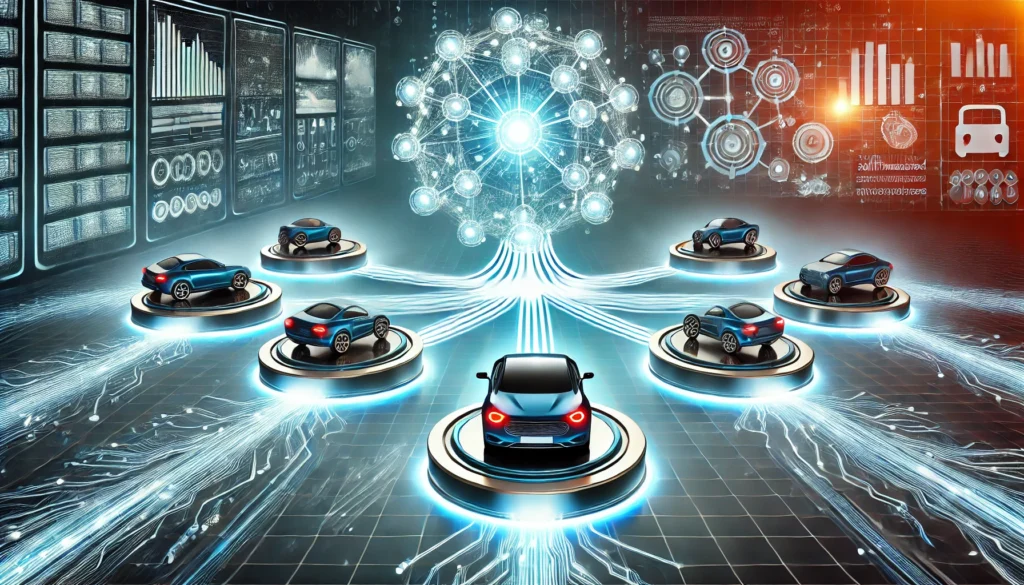
Centralized computing in software-defined vehicles means consolidating the car’s data processing into one primary computer or a small cluster of powerful processors. This approach is somewhat like having a central brain that makes decisions for every aspect of the car’s functionality. From managing autonomous driving features to controlling entertainment systems and energy management, everything flows through a single computing hub.
Decentralized computing takes a different route. Instead of one central point, multiple smaller computing nodes are spread throughout the vehicle. Each node handles specific tasks and communicates with the others as needed. This design can be compared to a team of specialized experts, each focusing on their own area, but working together as a unified system.
The Appeal of Centralized Computing
The centralized model is attractive for many reasons. By bringing all computing tasks under one umbrella, it simplifies integration. Updates to software-defined vehicles become easier because developers can focus on one core system. Over-the-air improvements, a key advantage of these connected cars, can be streamlined to ensure that new features reach drivers in the US or Europe with minimal hassle.
Centralized computing also helps maintain consistent performance across the board. With a single powerful processor overseeing everything, the car’s features can be managed with one set of design principles. This uniformity aids in testing and quality assurance, making it simpler to ensure the vehicle meets high safety standards.
Embracing Decentralized Approaches
Decentralized computing has its own set of advantages. By dividing responsibilities among multiple processors, the system can be more resilient. If one computing node encounters an issue, other parts of the vehicle can continue to function, reducing the risk of a total system failure. This approach can enhance both safety and reliability, which is particularly important as software-defined vehicles gain popularity in busy European cities or long American highway journeys.
The flexibility offered by decentralized computing is also appealing. Automakers can choose best-in-class components for each function, mix and match hardware from different suppliers, and tailor solutions to match evolving consumer demands. As environmental regulations, driver preferences, and connectivity standards change, decentralized architectures make it easier to adapt the car’s digital infrastructure without overhauling the entire system.
Balancing Performance and Efficiency
The choice between centralized and decentralized computing often comes down to performance and efficiency. Centralized systems benefit from economies of scale. When all processing is handled in one place, engineers can optimize that single system for maximum power and speed. This can be particularly valuable for high-end, luxury vehicles in Europe or the US, where customers expect the latest autonomous features and seamless infotainment experiences.
Decentralized systems, on the other hand, can lead to more efficient resource use. Not every function of a software-defined vehicle requires a top-tier processor. By assigning dedicated processors to different tasks, engineers can optimize each component individually, potentially resulting in lower energy consumption and improved overall cost-efficiency. In an era where environmental consciousness and cost-effectiveness are top priorities, this flexibility can be a significant advantage.
Considering Scalability and Future-Proofing
As the automotive industry moves toward more intelligent, autonomous, and connected vehicles, scalability becomes crucial. Centralized computing systems can be easier to scale when it comes to adding new features or enhancing processing power. A single powerful computer can be upgraded with more capable chips and better software over time.
Decentralized computing may provide better long-term adaptability. When each component can be independently improved, replaced, or redesigned, the vehicle can evolve with changing technology trends. This modularity supports long-term value and can keep vehicles competitive, even as the digital landscape advances. In the US and Europe, where drivers increasingly value longevity, sustainability, and cutting-edge capabilities, this adaptability can shape buying decisions.
The Road Ahead
In 2025, both centralized and decentralized approaches remain viable. Automakers, tech companies, and designers continue to experiment with these models, blending elements of each to strike the right balance of performance, reliability, safety, and scalability. Some manufacturers may find that a partially centralized system augmented with selective decentralized nodes yields the best results, while others commit fully to one approach.
As consumers and regulators in the US and Europe call for cleaner, safer, and more connected transportation, the debate between centralized and decentralized computing in software-defined vehicles will continue. Both approaches reflect a commitment to making cars smarter, more responsive, and better aligned with the digital age. While the perfect formula may vary among brands and models, one thing remains certain: the future of automotive innovation depends on how we harness computing power to drive us forward.