In 2025, the automotive landscape across the US and Europe is undergoing a remarkable transformation. This change is not limited to the rise of electric vehicles or the growing capabilities of autonomous driving. A new focus is emerging on the experience inside the car, driven by the rapid adoption of software-defined vehicles. In this new era, user experience (UX) and user interface (UI) are no longer afterthoughts. They are central to how drivers and passengers connect with their cars, shaping the vehicle’s identity and influencing decisions about brand loyalty, comfort, and safety.
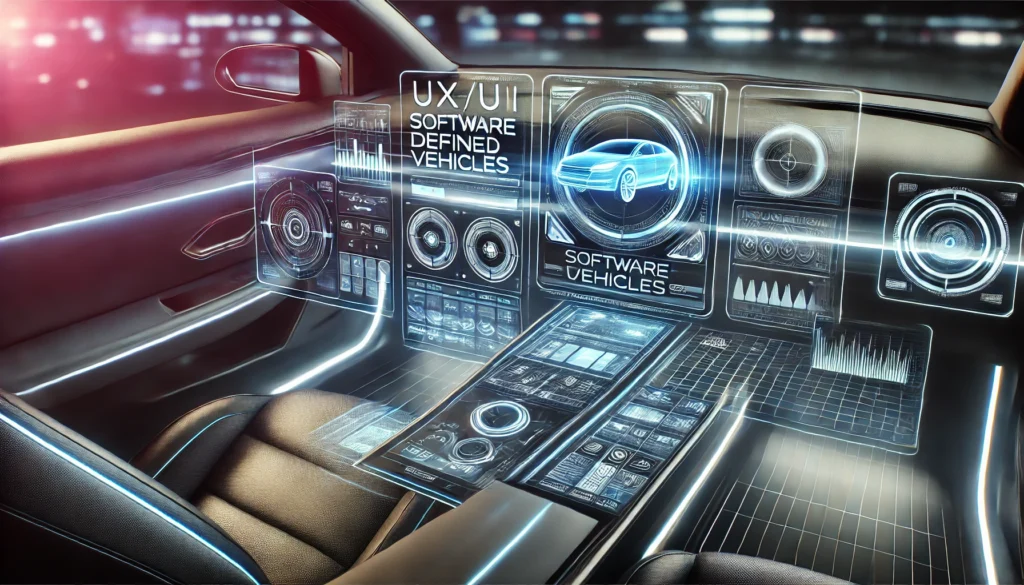
Creating a Seamless Connection
Traditional cars were once judged by features like horsepower or fuel efficiency. In 2025, a vehicle’s success often depends on how it feels to interact with its infotainment system, how intuitive its menus are, and how well it adapts to personal preferences. Software-defined vehicles can receive regular over-the-air updates, adding new features and refining existing ones. This continuous improvement cycle relies on a well-crafted UX/UI to ensure that new capabilities are not only functional but also easy to understand.
For drivers in both the US and Europe, seamless connection means getting into a car that knows them from the moment they start the engine. Preferences such as seat positions, favorite music, or preferred navigation routes can be stored and applied instantly. This level of personalization becomes second nature when the UX/UI is done right, allowing the vehicle to feel like an extension of the driver’s digital life rather than a disconnected machine.
Enhancing Safety and Comfort
When drivers use voice commands, haptic feedback, or gesture controls, they rely on the underlying UX/UI design to ensure that these interactions are simple and predictable. Safety features are only as effective as the driver’s ability to access and understand them. This is especially true in the US and Europe, where a blend of long highways and crowded urban areas demands versatility and quick adaptability. A thoughtful UX/UI makes advanced driver-assistance systems more accessible, helping drivers navigate complex situations without unnecessary distractions.
In an era where autonomous capabilities are evolving, a clear and friendly user interface fosters trust. Riders need to understand what the car is doing, how it is making decisions, and whether it is safe to relax. By visually communicating what the sensors are detecting, what actions the car plans to take, and how soon the driver might need to intervene, the UX/UI transforms uncertainty into confidence. This trust-building process is essential as vehicles move closer to full autonomy on European motorways and busy American freeways.
Elevating the In-Car Experience
Automakers and tech companies recognize that being inside a car can mean much more than going from point A to point B. The cabin can become a private workspace, an entertainment hub, or a place to unwind after a long day. Well-designed UX/UI ensures that these experiences feel natural. Whether the driver wants to stream a podcast, join a video conference call, or let the passengers enjoy interactive games, the controls should be intuitive and responsive.
In cities like London or San Francisco, where traffic congestion can lead to extended travel times, having a user interface that adapts seamlessly to different activities turns routine trips into enjoyable journeys. Taking advantage of cloud connectivity, high-speed 5G networks, and integrated apps, the vehicle can feel like a comfortable living room on wheels. A clean, well-structured interface avoids information overload and keeps the car’s digital environment inviting rather than overwhelming.
Addressing Cultural Preferences
The US and Europe each have distinct driving cultures and preferences. UX/UI plays a vital role in meeting these regional differences head-on. European drivers may value efficiency, route optimization, and integration with public transportation networks, while American drivers might prioritize large touchscreen interfaces, voice assistants that handle media controls effortlessly, and long-distance navigation aids.
The flexibility of software-defined vehicles allows manufacturers to tailor the UX/UI to meet these varied expectations. Cars in Paris or Berlin might highlight eco-routing to reduce emissions and adapt to the compact city streets, while cars in Los Angeles or Chicago can offer recommendations for rest stops and charging stations along sprawling highways. The end result is a more personalized experience that resonates with local needs and habits.
Designing for the Future
As software-defined vehicles evolve, so will their interfaces. Designers, engineers, and developers will work together to find new ways to simplify interactions, predict driver behaviors, and create environments where occupants feel empowered and informed. Augmented reality heads-up displays, conversational AI, and adaptive personalization will shape the next wave of in-car experiences.
In 2025, the importance of UX/UI in software-defined vehicles is clearer than ever. It is the bridge between technology and humanity, transforming complex systems into something that feels welcoming and approachable. By focusing on simple, friendly interfaces and a responsive user experience, the automotive industry ensures that the cars of tomorrow will not only be smarter and safer but also more enjoyable places to spend time, whether traveling through the scenic roads of Europe or navigating the bustling streets of the United States.