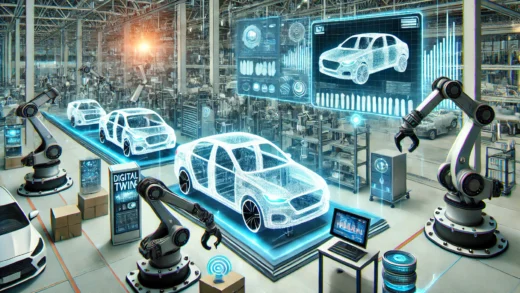
In 2025, as the automotive world evolves, digital twins are quickly becoming the secret ingredient behind the rapid development of software-defined vehicles. Across the US and Europe, automakers and technology companies are harnessing digital twin technology to reimagine the way cars are designed, tested, and perfected. Instead of waiting months or years to see how a car performs under various conditions, engineers can now create virtual replicas that reflect real-world scenarios in near real-time.
Understanding the Concept of a Digital Twin
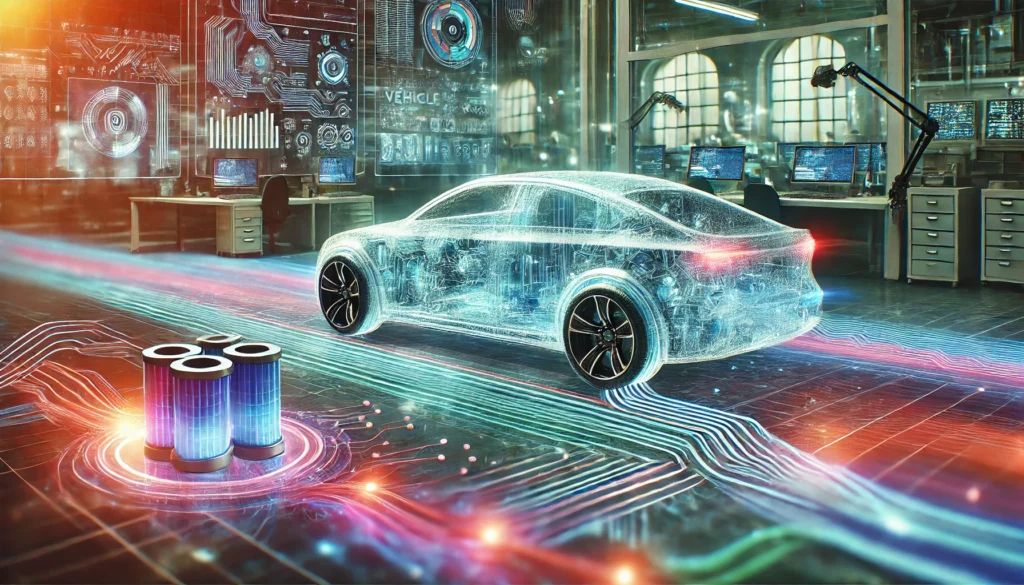
A digital twin is essentially a virtual copy of a physical object or system. In the case of software-defined vehicles, that object is not just the car’s body or engine; it also includes every sensor, piece of software, and electronic component that makes the vehicle function. By mirroring the vehicle’s systems in a digital environment, engineers can explore how their creations will behave on busy US city streets, European highways, or even in unusual weather conditions. This approach makes it possible to test, tweak, and optimize designs long before the first prototype ever rolls out of the workshop.
Speeding Up Development Cycles
In traditional automotive development, testing new features or introducing upgrades takes a significant amount of time. Engineers need to build prototypes, run them on test tracks, analyze the results, and then repeat the process. In 2025, this cycle is being replaced by rapid and efficient testing in digital environments. By loading a software-defined vehicle’s digital twin into a simulation, engineers can apply changes instantly and observe the impact right away. This ability to iterate quickly without waiting for physical prototypes helps companies stay ahead of competitors and deliver better vehicles to customers faster than ever before.
The digital twin approach is especially important for meeting the ever-evolving expectations of drivers in both the US and Europe. Customer demands, stricter emissions regulations, and the rapid shift toward electric vehicles all require agile responses from automakers. With digital twins, these challenges become more manageable since designers can refine software, fine-tune electric powertrains, and enhance connectivity features with minimal downtime.
Enhancing Safety and Reliability
In a world where cars are becoming more autonomous and connected, safety and reliability are top priorities. Digital twins allow engineers to run countless safety tests that push vehicles to their limits without risking anyone’s well-being. They can simulate emergencies, sensor failures, and unpredictable road conditions at a fraction of the time and cost of physical testing. Each virtual scenario generates valuable data that helps refine the vehicle’s software and hardware design, ensuring that drivers in the US and Europe can enjoy safer journeys.
This commitment to safety goes hand-in-hand with reliability. Since digital twins provide engineers with the flexibility to run tests 24/7, vehicles can be refined to perfection before they ever reach showrooms. This not only reduces the risk of recalls and repairs but also builds trust and confidence among drivers who know that their cars have been thoroughly tested in every imaginable situation.
Supporting Continuous Upgrades
Software-defined vehicles thrive on continuous improvement. As new software updates are released, vehicles gain fresh capabilities and better performance over time. Digital twins play a vital role in making these updates smooth and efficient. Instead of waiting to see how a software patch affects the actual cars on the road, developers can first implement the changes in the digital twin environment. This gives them the chance to identify any issues, optimize the code, and ensure that the update will work seamlessly before it is rolled out to customers.
For drivers in the US and Europe, this means vehicles that keep getting better. From improved infotainment systems to enhanced autonomous driving features, software-defined cars benefit from this feedback loop of continuous testing and refinement. Ultimately, this translates to longer-lasting, more rewarding ownership experiences and the peace of mind that the car parked in the driveway remains at the forefront of automotive innovation.
Strengthening Collaboration Between Industry Players
Digital twins do more than just help engineers. They foster a collaborative ecosystem where automakers, technology companies, regulators, and even suppliers can work together more efficiently. A digital twin can be shared with software developers to test new functions, or passed along to suppliers who need to confirm that their components meet certain specifications. This spirit of cooperation accelerates the pace of innovation across the entire automotive value chain.
By encouraging collaboration, digital twins enable companies to respond rapidly to changes in market trends or regulatory shifts in the US and Europe. The result is a stronger, more resilient automotive industry that can adapt to new technologies, consumer preferences, and sustainability goals with confidence.
A Glimpse into the Future
As the automotive landscape continues to transform, digital twins are poised to become the standard approach for developing software-defined vehicles. They simplify complex challenges, reduce development times, and empower automakers to deliver better cars to consumers. In 2025, what was once a futuristic concept is now a practical solution driving the automotive sector forward.
Whether it is optimizing the next generation of electric cars, fine-tuning autonomous driving features, or creating an even more personalized driving experience, digital twins stand ready to turn bold ideas into reality. They are reshaping how cars are conceived and perfected, ensuring that drivers from the US to Europe enjoy safer, smarter, and more dynamic vehicles on the road ahead.