In 2025, data has emerged as the vital ingredient powering software-defined vehicles, transforming how cars are designed, driven, and experienced. Across the US and Europe, the traditional idea of the automobile as a standalone machine is evolving into something more connected, intelligent, and responsive. Instead of relying solely on mechanical components and hardware, today’s software-defined vehicles depend on the constant flow of information to become safer, smarter, and more personalized.
Understanding the Shift to Data-Driven Design
In the past, engineers focused on horsepower, handling, and durability. Now the priority lies in data. Every software-defined vehicle relies on sensors, cameras, and digital platforms to collect and process a wealth of information. This data-driven approach goes beyond simply improving engine performance. It informs everything from battery management in electric vehicles to how autonomous driving systems navigate complex road conditions in the US and Europe. The result is a more intelligent car that learns and adapts over time.
As cars move through highways and city streets, their onboard systems gather insights about traffic patterns, road hazards, and environmental conditions. This data then flows back into the development process. Instead of waiting years for the next model release, engineers and developers can update and refine the vehicle’s software quickly, improving its capabilities through over-the-air updates that keep it on the cutting edge of performance and technology.
Enabling Autonomous Driving and Smart Mobility
Data is the backbone of autonomous driving systems. Without the ability to interpret and analyze vast amounts of information in real time, self-driving vehicles would not be able to make accurate decisions. As cars roam the highways of the US and Europe, they must understand their surroundings instantly. By processing streams of data from radar, lidar, and cameras, a software-defined vehicle can detect pedestrians, cyclists, and obstacles, ensuring a safer journey for everyone on the road.
This data also helps optimize the flow of traffic, reducing congestion, and improving fuel efficiency. The idea is that as cars become more data-driven, they will better communicate with one another and the infrastructure around them, forming a network of connected cars that share information. This collaboration leads to smarter mobility solutions, whether it is predicting traffic jams before they form or guiding electric vehicles to the nearest available charging station. The end goal is a seamless, efficient transportation ecosystem that benefits both drivers and cities.
Personalizing the Driving Experience
Just as smartphones learn preferences and suggest apps, software-defined vehicles use data to tailor the driving experience to individual needs. By analyzing how a driver uses navigation systems, infotainment features, and driver-assistance tools, the vehicle can shape its behavior accordingly. Some drivers may prefer a calm, eco-friendly driving mode, while others seek a more dynamic, sporty feel. By continuously collecting and interpreting data on driving habits, the car can adapt over time, making every trip feel like it was designed just for you.
This personalization extends beyond the driver’s seat. Passengers benefit from enhanced comfort, better entertainment options, and improved in-cabin experiences driven by data analytics. Whether it is streaming music with fewer interruptions or intelligently adjusting climate controls, data enables a vehicle to sense and respond to human preferences.
Leveraging the Power of the Cloud
Behind the scenes, data journeys from the car to the cloud. By transmitting information to secure servers, vehicles can tap into powerful computing resources that analyze vast datasets quickly. This synergy between onboard sensors and cloud computing allows for advanced data analytics that continuously refines a vehicle’s performance and safety features.
Manufacturers can study patterns emerging from thousands of cars in the US and Europe, identifying trends and predicting issues before they arise. This proactive approach means that software-defined vehicles can receive over-the-air updates that fix problems or add new capabilities, improving reliability and extending their lifespan. In a world where technology changes rapidly, staying up-to-date is as simple as ensuring a stable data connection.
Addressing Data Security and Privacy
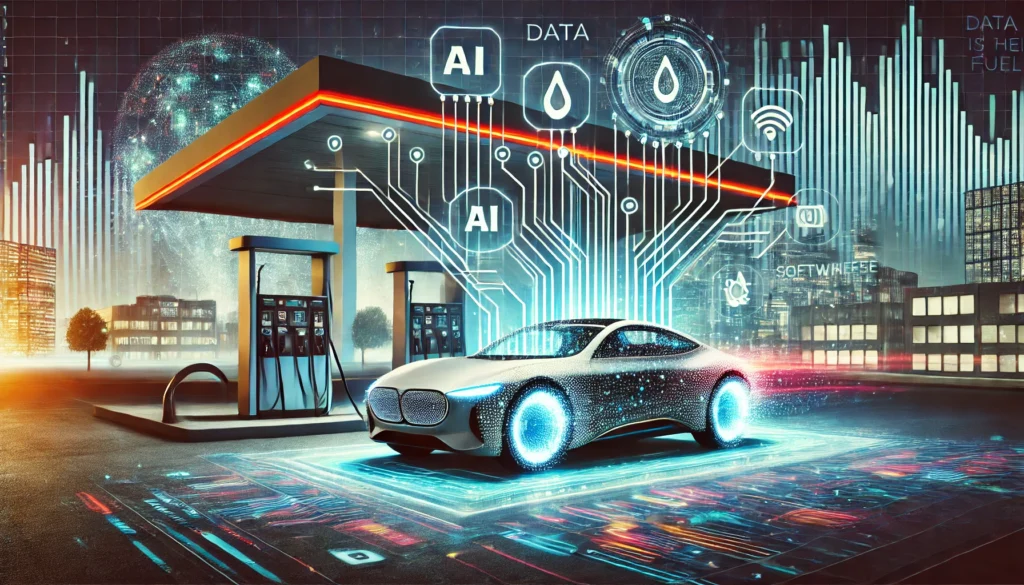
As data becomes the new fuel, ensuring its security and respecting privacy take center stage. Both the US and Europe have regulations that protect drivers’ personal information and require companies to safeguard the data they collect. Automakers and tech companies are investing in robust encryption, secure data channels, and strict compliance measures to ensure that sensitive information never falls into the wrong hands.
The trust of drivers depends on a transparent approach to data usage. By giving customers control over what data is shared and how it is used, companies foster confidence in their products. In return, drivers feel comfortable knowing that the data collected by their cars is being used to enhance their driving experience, improve overall safety, and advance sustainable mobility solutions.
A Future Fueled by Information
Data is the new fuel that propels software-defined vehicles forward. It powers autonomous driving, personalizes the driving experience, and bridges the gap between cars, drivers, and the world around them. In 2025, as the US and Europe embrace digital transformation in the automotive industry, data is not just an added benefit. It is the foundation upon which the future of mobility is built. By harnessing the power of data, cars become more than just machines; they become partners in a safer, smarter, and more efficient journey.