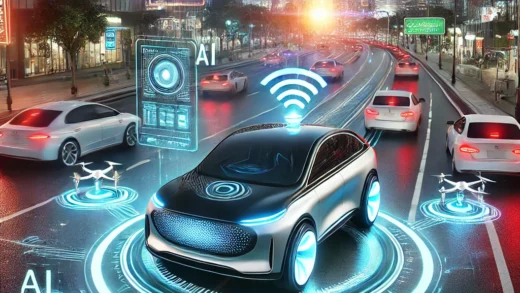
In 2025, the automotive world looks noticeably different than it did just a few years ago. The industry is moving beyond the old approach of each company vying to best its rivals at every turn. Instead, fresh alliances are taking shape, bringing together traditional automakers and forward-thinking tech companies. This shift is rewriting the rules of how cars are built, sold, and experienced across the US and Europe, resulting in a new age defined by collaboration over competition.
A Changing Landscape
The auto industry’s priorities have evolved. Where once the focus was solely on horsepower, sleek styling, and reliability, today’s drivers expect much more. Customers want seamless connectivity, safe autonomous driving, sophisticated infotainment systems, and constantly improving features updated over the air. Achieving all this requires a blend of skills and insights no single company can easily master on its own. As a result, automakers are turning to unconventional partners to keep pace with the world’s growing appetite for smarter, more efficient vehicles.
This climate has given rise to tech partnerships that would have seemed unthinkable a decade ago. The idea that an automotive giant would join forces with a tech powerhouse was once a distant dream. Now, such collaborations are swiftly becoming the norm. The boundaries between the automotive and tech sectors are blurring, as companies share knowledge, resources, and visions for a future where cars are more than just modes of transportation.
Mercedes-Google: Redefining the Driving Experience
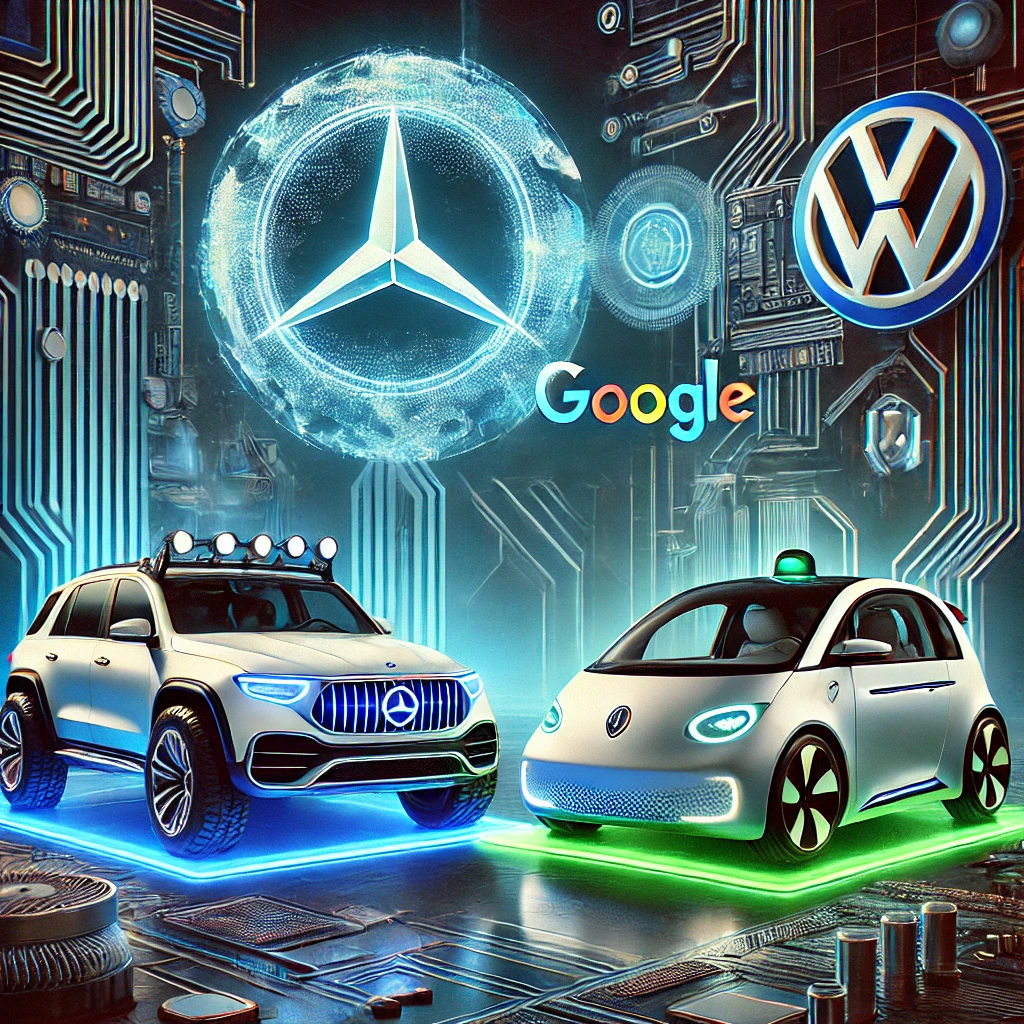
One striking example of this new era is the partnership between Mercedes-Benz and Google. This collaboration merges the heritage and precision engineering of a luxury European automaker with the cutting-edge digital expertise of a global tech leader. By joining forces, Mercedes and Google are crafting in-car experiences that feel as intuitive and personalized as a smartphone app.
In the US and across Europe, drivers can look forward to advanced navigation systems powered by real-time traffic data, integrated voice assistants that understand natural speech, and media interfaces that effortlessly update with the latest apps and streaming services. This union sets a precedent for what cars can deliver, turning each journey into a seamless extension of drivers’ digital lives.
VW-Rivian: A Surprising Electric Alliance
Another notable alliance is the one between Volkswagen, an automotive titan with deep European roots, and Rivian, a promising US-based electric vehicle pioneer. At first glance, these two appear worlds apart. VW’s century-long history contrasts with Rivian’s startup flair. Yet their partnership is driving innovation on EV platforms, charging infrastructure, and energy management that neither could achieve alone.
Rivian’s fresh approach to electric vehicles, combined with Volkswagen’s manufacturing prowess and global reach, opens the door to more affordable, sustainable, and widely accessible EVs. This combination of US electric vehicle innovation and European automotive experience serves as a blueprint for how cross-continental partnerships can accelerate progress. The result is a new wave of electric cars that do not just get people from place to place but actively address environmental challenges and push the industry toward a greener future.
Benefits for Drivers
For drivers, these collaborations mean more dynamic and versatile cars that improve over time. Instead of waiting years for new model releases, software updates are delivered directly to the vehicles, offering advanced safety features, smoother autonomous driving systems, and richer infotainment options. As tech and automotive companies share data and expertise, the result is vehicles that respond better to driver behavior, local regulations, and even changing road conditions in real time.
In the US, where long stretches of highway meet dense urban centers, these partnerships help align automotive design with regional requirements. In Europe, where efficiency, sustainability, and cultural variety shape travel needs, these alliances ensure cars can cater to local tastes while upholding global standards of connectivity and comfort.
A Shared Vision of the Future
By embracing cooperation, automakers and tech firms are defining a shared vision of the future, one that celebrates creativity, efficiency, and the melding of tradition with innovation. The industry is learning that every partner brings something valuable to the table. Established car companies contribute their engineering expertise, brand trust, and proven safety records, while tech firms offer fresh perspectives, inventive solutions, and the agility to adapt quickly to new trends.
The rise of these partnerships signals that success in the automotive sector no longer hinges on outdoing competitors at every turn. Instead, it thrives on joining forces, pooling resources, and co-creating solutions. In 2025, this mindset is no longer a novelty; it is a necessity that is reshaping the entire landscape of personal transportation in the US, Europe, and beyond.
As the industry moves toward a new era defined by collaboration over competition, drivers can look forward to cars that are smarter, greener, and more connected than ever before. This spirit of cooperation promises a future in which every road leads to better, more enjoyable travel, built upon the strength of partnerships that blend the best of both worlds.