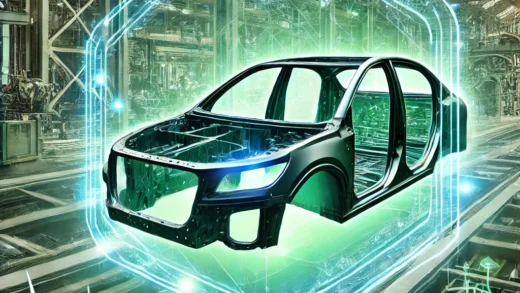
The automotive industry is on the brink of a technological revolution, and NVIDIA Drive and Cerence are at the forefront, harnessing the power of AI and large language models (LLMs) to redefine the driving experience. From intuitive voice assistants to real-time decision-making systems, the partnership between these two tech giants is setting the stage for a new era of connected, intelligent, and user-centric vehicles. For India, a market known for its tech-savvy consumers and diverse driving conditions, this innovation promises to deliver a blend of safety, convenience, and personalization.
Let’s take a closer look at how NVIDIA Drive and Cerence are leveraging LLMs to transform the future of mobility.
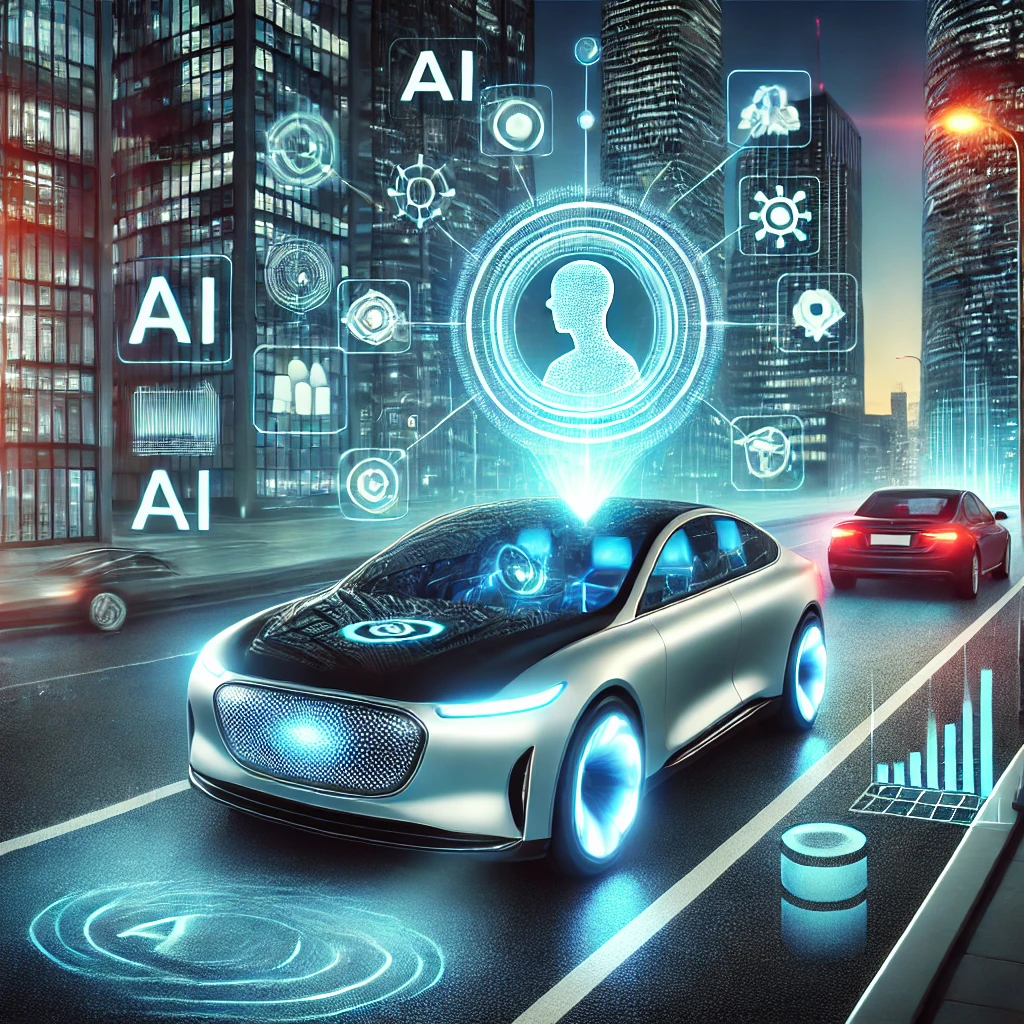
The Role of AI and LLMs in Modern Vehicles
Large language models (LLMs) are AI systems designed to understand and generate human-like language, enabling them to process complex commands, provide meaningful responses, and perform real-time decision-making. NVIDIA Drive integrates LLMs into its powerful AI computing platform, enabling advanced capabilities in autonomous driving and connected car systems.
Cerence, a global leader in AI-powered in-car assistants, complements this with its expertise in natural language understanding and conversational AI. Together, they create a seamless interface between humans and vehicles, allowing drivers and passengers to interact with their cars in a way that feels natural and intuitive.
In a country like India, where road conditions, languages, and user expectations vary greatly, the ability of AI-powered systems to adapt and respond accurately is transformative. LLMs enhance these systems by enabling them to understand multiple languages, regional accents, and even context-specific queries, making them more relevant to Indian users.
Driving Smarter with NVIDIA Drive
NVIDIA Drive is an advanced computing platform that enables vehicles to process vast amounts of data from sensors, cameras, and AI models in real time. With the integration of LLMs, NVIDIA Drive takes this capability to the next level, offering more intelligent and context-aware decision-making.
For Indian roads, where driving conditions can change rapidly, LLM-powered systems can analyze inputs from multiple sources and provide actionable insights in real time. For instance, an AI assistant powered by NVIDIA Drive and Cerence can warn drivers about upcoming traffic jams, suggest alternative routes, or provide safety alerts for unpredictable road conditions.
In addition, LLMs enhance the functionality of ADAS (advanced driver-assistance systems), making them more adaptive and precise. Whether it’s assisting with lane-keeping, collision avoidance, or adaptive cruise control, these systems use AI to make driving safer and more efficient.
Cerence: Transforming In-Car Interactions
Cerence has long been recognized as a pioneer in voice-powered automotive experiences, and its partnership with NVIDIA Drive elevates its capabilities to new heights. With LLMs, Cerence-powered in-car assistants can now deliver more natural and engaging conversations. Drivers and passengers can interact with their vehicles just as they would with a human assistant.
For Indian users, this technology addresses one of the key challenges in the automotive space: language diversity. Cerence’s AI systems, enhanced by LLMs, can support multiple Indian languages, ensuring that drivers from different regions can interact with their vehicles effortlessly. Whether it’s asking for directions in Hindi, setting navigation preferences in Tamil, or playing a favorite playlist in Punjabi, the assistant is ready to respond accurately and contextually.
Cerence also integrates seamlessly with smart home ecosystems, allowing users to control connected devices like lights, thermostats, and security systems directly from their vehicles. This level of personalization and connectivity makes every drive more convenient and productive.
Personalization at Its Best
One of the standout features of NVIDIA Drive and Cerence’s LLM-powered systems is their ability to learn and adapt to individual preferences. By analyzing user behavior, these systems can offer personalized recommendations, such as suggesting a favorite restaurant en route or adjusting climate settings based on previous trips.
This personalization extends to safety features as well. For example, the system can monitor driving patterns and provide feedback to improve driving habits, making it especially useful for new drivers or those navigating unfamiliar roads. In a bustling and dynamic country like India, this level of customization ensures that drivers feel both confident and connected.
Revolutionizing Mobility in India
India’s automotive market is witnessing a rapid shift toward smarter, more connected vehicles. The integration of NVIDIA Drive and Cerence’s LLM technologies aligns perfectly with the evolving demands of Indian consumers, who seek not just vehicles but complete mobility solutions.
With the government’s push for electric vehicles and the rise of autonomous driving technologies, the need for advanced AI systems is greater than ever. NVIDIA Drive and Cerence are empowering automakers to deliver vehicles that are not only safe and efficient but also deeply intuitive and responsive to user needs.
The Road Ahead
As NVIDIA Drive and Cerence continue to innovate, the future of mobility in India looks increasingly intelligent and user-centric. The use of large language models ensures that vehicles can adapt to the unique challenges and opportunities of the Indian market, from understanding diverse languages to navigating complex road conditions.
For consumers, this means more than just transportation—it means an enhanced driving experience that combines safety, convenience, and personalization. Whether it’s reducing stress during long commutes or making everyday interactions with vehicles more intuitive, NVIDIA Drive and Cerence are shaping a smarter, more connected future for India’s roads.
As the automotive industry embraces this AI-driven revolution, one thing is clear: NVIDIA Drive and Cerence are not just driving innovation—they’re driving the future of mobility in India.