The automotive industry is in the midst of a transformation, and sustainability is steering the change. From electric vehicles to recycled materials, automakers are finding innovative ways to reduce their environmental impact. One of the most exciting developments in this green revolution is the adoption of green steel—a game-changing approach to producing automotive frames and components with minimal environmental footprint. Both in the US and Europe, green steel is emerging as a pivotal step toward creating a more sustainable future for the industry.
What Is Green Steel?
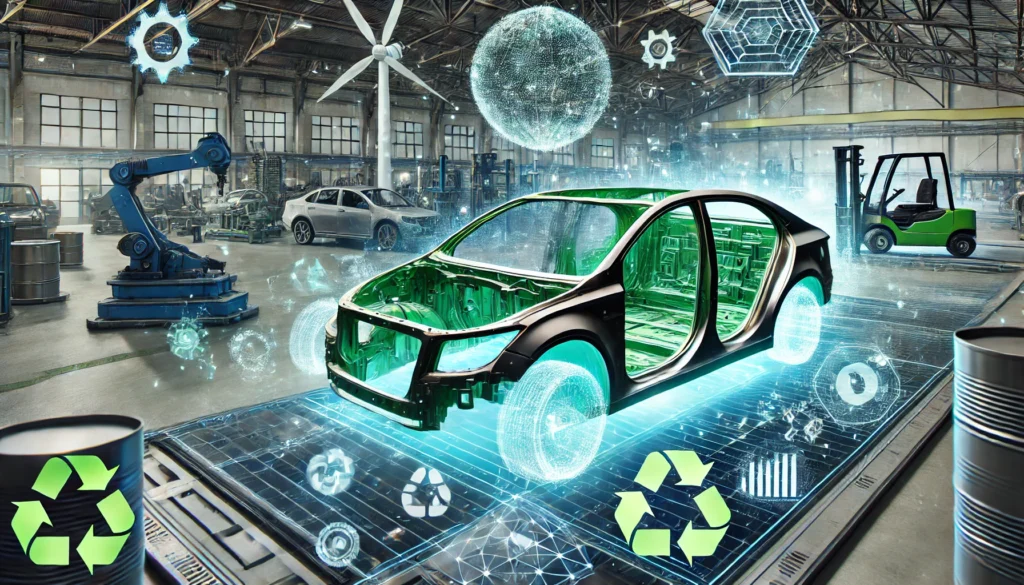
Green steel refers to steel that is produced using methods designed to significantly reduce carbon emissions. Traditional steel manufacturing relies heavily on coal and other fossil fuels, making it one of the largest contributors to global CO₂ emissions. In contrast, green steel is produced using renewable energy sources and alternative processes, such as hydrogen-based reduction or electric arc furnaces powered by wind or solar energy.
By eliminating or drastically reducing reliance on fossil fuels, green steel production cuts down on greenhouse gas emissions, making it a sustainable choice for industries that rely heavily on steel, including automotive manufacturing.
Why Green Steel Matters for Automakers
Automotive frames have historically been made from steel due to its strength, durability, and cost-effectiveness. However, the environmental impact of traditional steel production has become a growing concern for both consumers and manufacturers. As governments in the US and Europe implement stricter emissions regulations and sustainability goals, automakers are under pressure to address their carbon footprint throughout the supply chain.
Green steel provides a solution by reducing the environmental impact of one of the most critical materials used in car production. By incorporating green steel into their vehicles, automakers can align with global sustainability targets, meet consumer demands for eco-friendly products, and position themselves as leaders in the transition to a cleaner automotive industry.
How Green Steel Is Revolutionizing Frame Production
The use of green steel in automotive frame production is a significant step toward sustainability. Frames are the backbone of any vehicle, requiring materials that are both lightweight and robust. With advancements in green steel technology, manufacturers can achieve the same level of strength and durability as traditional steel without compromising environmental goals.
Several automakers in the US and Europe are already partnering with green steel producers to integrate this sustainable material into their supply chains. These partnerships are not only reducing emissions but also fostering innovation. For instance, the development of ultra-lightweight green steel allows manufacturers to create more fuel-efficient vehicles by reducing overall weight. This synergy between strength and sustainability is transforming the way vehicles are designed and produced.
Collaborations Driving Green Steel Adoption
The shift to green steel is not happening in isolation. It’s the result of collaborations between automakers, steel manufacturers, and governments. In Europe, initiatives like the European Green Deal are encouraging industries to embrace sustainable materials. Automakers like Volvo, Mercedes-Benz, and BMW have announced plans to incorporate green steel into their production processes, signaling a strong commitment to reducing emissions across the board.
In the US, the growing demand for clean energy and sustainability is driving similar initiatives. Automakers are partnering with companies that specialize in hydrogen-based steel production, leveraging renewable energy sources to decarbonize their supply chains. These collaborations are setting a new standard for sustainable manufacturing and highlighting the potential of green steel to reshape the industry.
The Road Ahead: Challenges and Opportunities
While the adoption of green steel offers immense potential, it’s not without challenges. One of the biggest hurdles is the cost of production, which remains higher than traditional methods due to the reliance on renewable energy and innovative technologies. However, as demand grows and production scales up, costs are expected to decrease, making green steel more accessible to a wider range of automakers.
Another challenge lies in scaling infrastructure to meet the needs of global automakers. Building the facilities required for hydrogen-based steel production and ensuring a steady supply of renewable energy will take time and investment. Despite these challenges, the momentum behind green steel is undeniable, and its adoption is accelerating as the automotive industry recognizes its long-term benefits.
A Sustainable Revolution in Automotive Manufacturing
Green steel is more than just a material; it represents a fundamental shift in how the automotive industry approaches sustainability. By reducing emissions and promoting the use of renewable energy, green steel is helping automakers in the US and Europe move closer to their environmental goals. For consumers, this means the cars of tomorrow will not only be innovative and efficient but also environmentally responsible.
As more automakers embrace green steel, the potential for industry-wide change is enormous. From reducing the carbon footprint of every vehicle to inspiring other industries to follow suit, green steel is leading the charge toward a more sustainable future. For the automotive world, it’s not just about driving innovation—it’s about driving change for the planet.