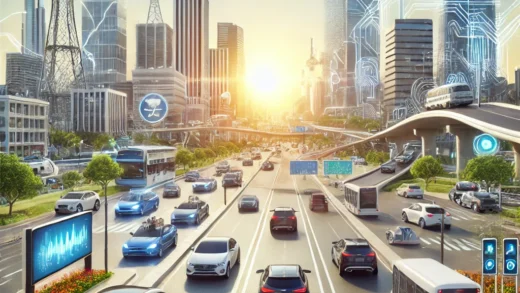
In 2024, the automobile industry is experiencing a revolution far beyond the design and engineering of vehicles. Artificial intelligence (AI) has become a pivotal force, reshaping how car manufacturers and dealerships market their products. From personalized campaigns to smarter customer insights, AI is steering marketing strategies into the future. Let’s explore how this cutting-edge technology is driving innovation in car marketing across the United States and Europe.
AI-Powered Personalization: Meeting Customers Where They Are
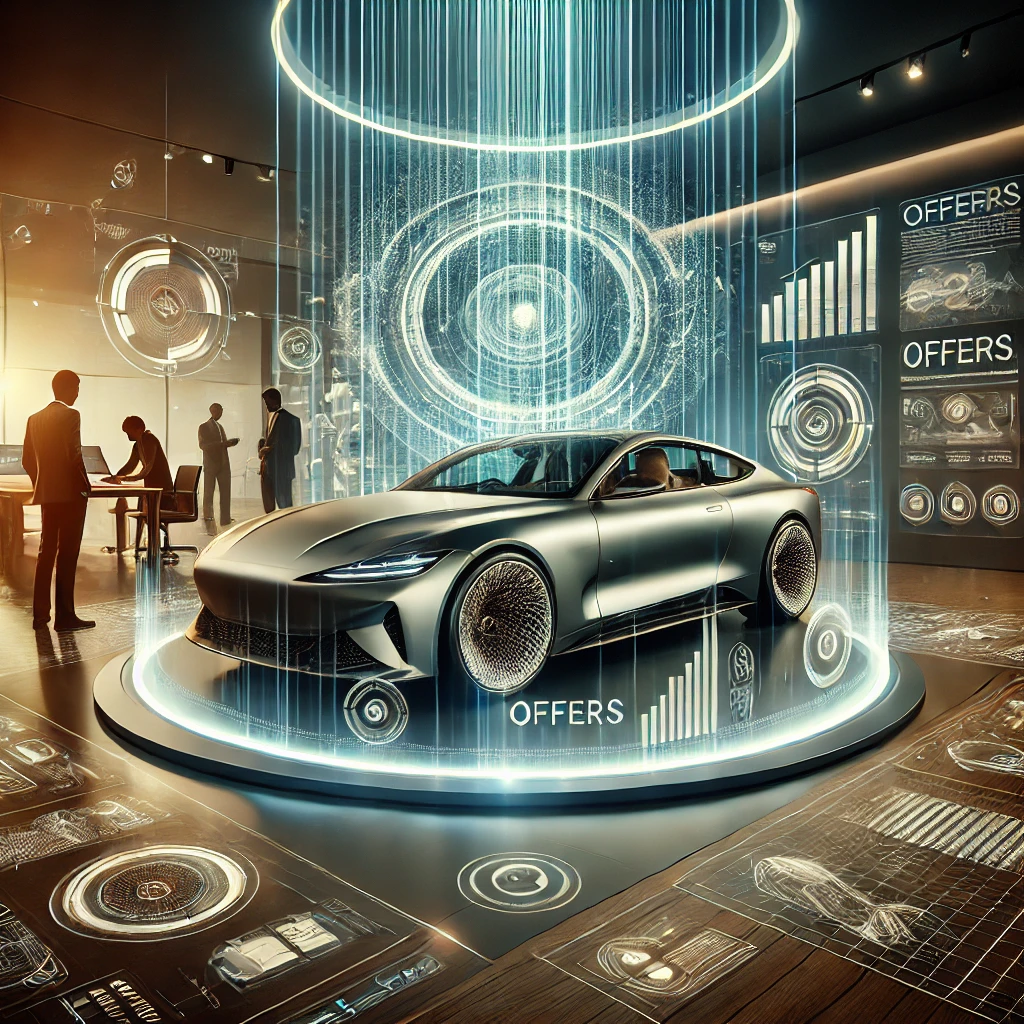
Car buyers today are looking for more than just vehicles; they want experiences tailored to their specific needs and desires. AI enables automakers and dealerships to deliver just that. Through sophisticated algorithms and data analytics, marketers can analyze vast amounts of data from online searches, social media, and past purchases to create highly targeted campaigns.
For instance, a young professional searching for eco-friendly electric vehicles in Los Angeles might be served personalized ads highlighting the latest EV models, tax credits, and charging station locations. Similarly, a family in Germany looking for a spacious SUV could receive tailored recommendations showcasing vehicles with advanced safety features and cargo space. This level of customization helps brands connect with customers on a personal level, fostering trust and engagement.
Predictive Analytics: Understanding Trends Before They Happen
AI-driven predictive analytics is changing how marketers approach decision-making. By analyzing historical sales data, seasonal trends, and consumer behavior, AI can forecast what customers are likely to want next. This proactive approach allows brands to stay ahead of the curve, adjusting their marketing strategies in real time to meet demand.
For example, if AI identifies a rising interest in hybrid models in urban areas, automakers can ramp up their campaigns and inventory for those vehicles. Predictive insights also help optimize budgets by ensuring marketing dollars are spent on campaigns that resonate most with target audiences.
Virtual Assistants and Chatbots: Redefining Customer Service
Gone are the days when potential buyers had to wait hours for responses to their queries. AI-powered virtual assistants and chatbots are revolutionizing customer service by providing instant, accurate, and round-the-clock support.
These digital helpers can guide users through the buying process, answer questions about features and financing, and even schedule test drives. They’re particularly effective for reaching younger, tech-savvy audiences who prefer texting and online chats over phone calls. A shopper in London, for instance, can explore various car models and financing options with the help of a chatbot, all from the comfort of their home.
Enhanced Ad Targeting with Machine Learning
Traditional advertising often feels like a shot in the dark, but AI and machine learning are making car ads smarter and more effective. AI analyzes browsing history, search queries, and even social media activity to deliver ads to the right audience at the right time.
Imagine a customer in New York who recently searched for “best electric cars under $40,000.” With AI, this person might start seeing ads for relevant EV models, along with financing offers or comparisons with competitors. This level of precision ensures marketing efforts are not just seen but acted upon, boosting conversion rates.
Transforming Test Drives with Virtual Reality (VR)
AI’s role in car marketing isn’t limited to online interactions. It’s also enhancing the physical buying experience. Virtual reality (VR), powered by AI, is making test drives and showroom visits more immersive than ever.
A prospective buyer can now “test drive” a car without leaving their home, experiencing everything from its sleek interiors to its smooth handling through VR simulations. This technology is especially useful for showcasing high-end models or reaching customers in remote areas.
Sustainability and AI: A Perfect Match
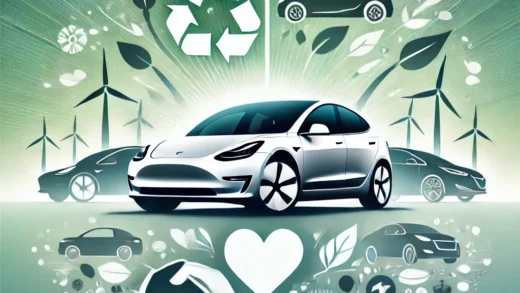
Sustainability is a growing concern among car buyers in 2024, especially in regions like Europe where environmental regulations are stricter. AI is helping marketers tap into this trend by highlighting a brand’s eco-friendly initiatives.
From promoting electric and hybrid models to showcasing efforts in reducing carbon emissions, AI enables brands to align their messaging with consumer values. For instance, a campaign in Norway might emphasize a car’s green credentials and local government incentives for EV buyers, making it both appealing and relevant.
The Road Ahead for AI in Car Marketing
As we move further into 2024, the role of artificial intelligence in car marketing will only continue to expand. Automakers and dealerships that embrace AI will find themselves better equipped to adapt to shifting consumer expectations, market trends, and technological advancements.
While AI is transforming marketing, it’s also crucial to balance automation with a human touch. After all, buying a car is often an emotional decision. Combining AI-driven insights with genuine human interactions will be the key to success in this rapidly evolving landscape.
AI isn’t just the future of car marketing; it’s the driving force behind it. By leveraging its potential, the automobile industry is paving the way for more meaningful connections, smarter campaigns, and ultimately, better customer experiences.