The ocean covers more than 70% of our planet, yet its depths remain largely unexplored. Enter the fascinating world of Autonomous Underwater Vehicles (AUVs)—a cutting-edge technology revolutionizing ocean exploration, environmental monitoring, and maritime operations. In 2024, the evolution of AUVs is poised to reshape industries, enhance scientific understanding, and protect fragile marine ecosystems.
The Rise of Autonomous Underwater Vehicles
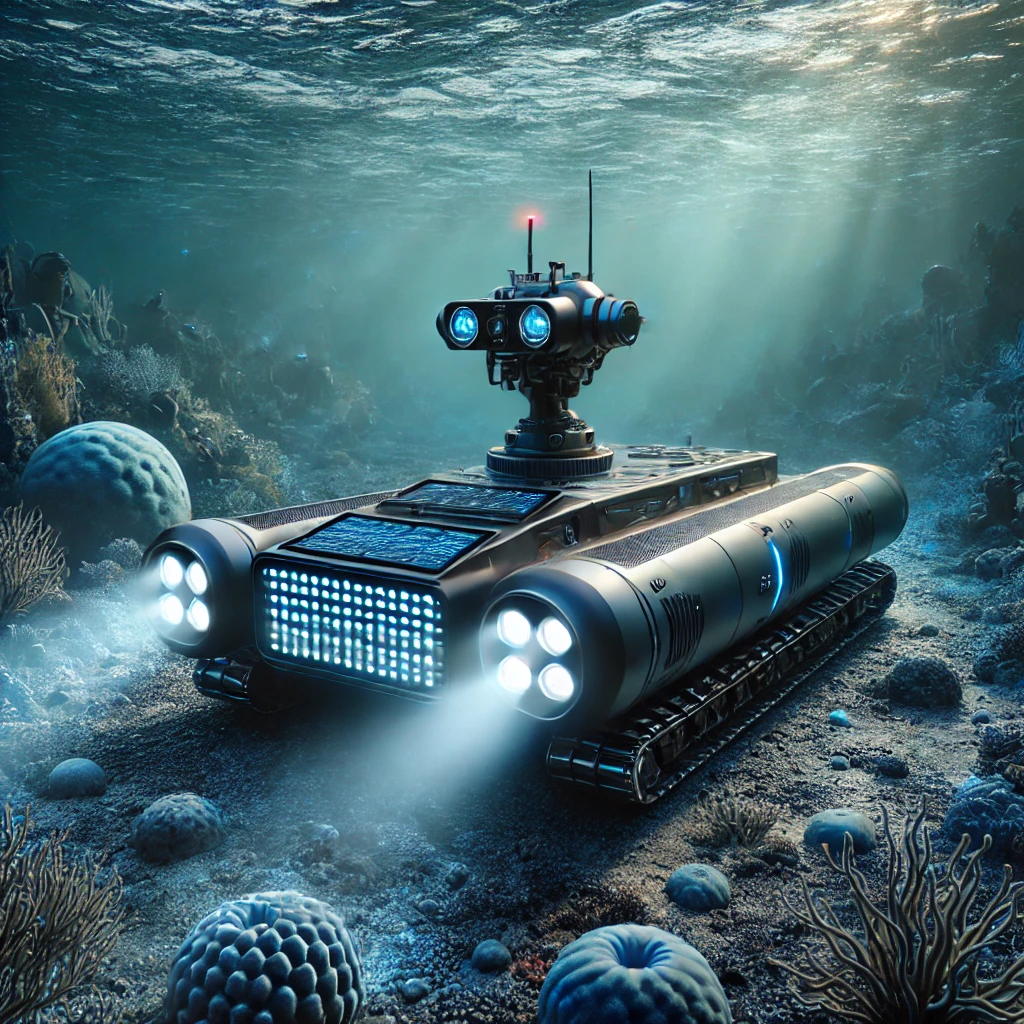
AUVs are self-operating, untethered robotic systems designed to navigate beneath the waves without human intervention. These vehicles have come a long way since their inception, transitioning from basic research tools to advanced systems equipped with AI, high-resolution sensors, and efficient propulsion technologies. As we move deeper into 2024, AUVs are not just exploring uncharted waters; they are enabling smarter, safer, and more efficient maritime activities.
From mapping the ocean floor to monitoring underwater pipelines, AUVs have applications across sectors like offshore energy, marine conservation, and defense. In Europe and the United States, investments in underwater robotics are surging, driven by advancements in AI, battery technologies, and materials science. These innovations are making AUVs more cost-effective, versatile, and accessible than ever.
Transforming Ocean Science and Conservation
Marine scientists in the US and Europe are leveraging AUVs to unlock the secrets of the deep. These robotic explorers are capable of reaching depths that are inaccessible to human divers, capturing high-resolution imagery, and collecting critical data about ocean currents, biodiversity, and climate change impacts.
AUVs are particularly valuable in monitoring coral reefs and detecting changes in marine habitats. Equipped with AI-driven sensors, they can analyze water quality, temperature, and pH levels in real time. This data helps researchers predict and mitigate environmental changes, providing a lifeline for ecosystems under threat.
Governments and organizations across the Atlantic are prioritizing ocean health as part of broader climate action goals. AUVs are playing a key role in these efforts by enabling cost-effective monitoring of marine protected areas, ensuring compliance with environmental regulations, and combating illegal fishing practices.
Revolutionizing Offshore Industries
The offshore energy sector, a cornerstone of the US and European economies, is undergoing a green transformation, and AUVs are leading the charge. From inspecting underwater infrastructure to supporting the installation of offshore wind farms, AUVs enhance operational efficiency while reducing risks to human divers. Their ability to operate autonomously for extended periods makes them indispensable for tasks like pipeline inspections and oil spill response.
In 2024, AUVs are also being integrated with advanced technologies like machine learning and Internet of Things (IoT) sensors to optimize asset management. For instance, they can detect anomalies in underwater structures, predict maintenance needs, and provide actionable insights to operators. These capabilities not only reduce operational costs but also enhance safety and sustainability.
Strengthening Maritime Security
In an era where maritime security is a top priority, AUVs are emerging as valuable assets for defense and surveillance. Governments in the US and Europe are deploying these vehicles for a range of applications, from patrolling critical waterways to detecting submarines and underwater mines. With their stealth capabilities and AI-driven navigation systems, AUVs can perform missions in challenging environments while remaining undetected.
Moreover, AUVs are being used to secure underwater communication cables—critical infrastructure that supports global internet connectivity. By monitoring these cables and identifying potential threats, AUVs ensure the resilience of this vital network.
Overcoming Challenges in AUV Development
While the future of AUVs is bright, challenges remain. One of the most pressing issues is the need for longer battery life to support extended missions. However, advancements in lithium-ion and alternative battery technologies are paving the way for significant improvements in energy efficiency.
Another challenge is ensuring the reliability of communication and navigation systems in deep-sea environments. Researchers are addressing this by developing sophisticated algorithms and acoustic communication techniques that enable AUVs to maintain their course and relay data effectively.
Regulatory frameworks also need to catch up with technological advancements. The US and European Union are working to establish clear guidelines for the deployment of AUVs, balancing innovation with safety and environmental considerations.
The Road Ahead
As we look to the future, the role of AUVs in shaping the blue economy cannot be overstated. These vehicles are not just tools of exploration; they are catalysts for innovation, driving economic growth while safeguarding marine environments. In 2024, collaborations between governments, research institutions, and private companies are accelerating the development and deployment of AUVs, ensuring their integration into key industries.
The journey is far from over. With continued investments in research and development, the capabilities of AUVs will expand, unlocking new possibilities for science, industry, and security. Whether it’s mapping the last unknown frontier of our planet or enabling sustainable ocean resource management, AUVs are set to make waves—literally and figuratively—in the years to come.
Embracing the Deep Blue Future
Autonomous Underwater Vehicles are a testament to human ingenuity and our relentless quest for knowledge. In the US and Europe, they are shaping the future of ocean exploration, conservation, and industry. By embracing these technologies, we can unlock the vast potential of our oceans while ensuring their preservation for future generations.
The future of AUVs is not just about navigating the depths; it’s about redefining our relationship with the ocean. As we dive into 2024, one thing is clear: the possibilities beneath the surface are as vast and promising as the ocean itself.