The automotive industry is navigating an exciting revolution as consumer preferences shift towards electric vehicles (EVs). In both the U.S. and Europe, the growing demand for eco-friendly transportation is reshaping market dynamics, influencing everything from vehicle design to government policies. This shift is more than just a trend—it represents a pivotal change in how people view mobility, sustainability, and technology.
A Surge in Eco-Conscious Choices
Today’s consumers are increasingly driven by environmental awareness. Electric vehicles, with their ability to drastically reduce carbon emissions, have become the go-to choice for those seeking greener alternatives to traditional cars. This shift is particularly evident in Europe, where many countries are championing stricter emissions standards, and in the U.S., where state and federal incentives make EV ownership more appealing.
The focus on sustainability is not limited to environmental benefits. Many drivers now view owning an electric car as a statement of social responsibility. With consumers actively seeking brands that align with their values, automakers have recognized the need to incorporate sustainability into their core business strategies. This alignment of consumer demand and brand positioning is helping EVs gain traction across different demographics.
Technology Transforming the EV Landscape
The advancement of EV technology has played a major role in changing consumer attitudes. Modern electric vehicles now boast impressive driving ranges, fast-charging capabilities, and cutting-edge features that rival—or even surpass—those of traditional combustion engine vehicles.
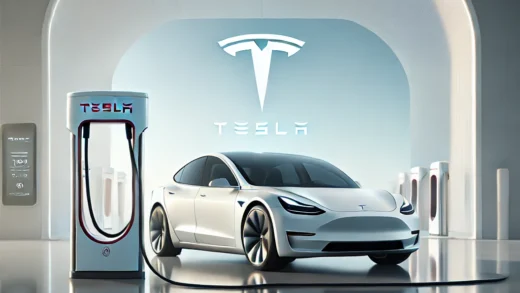
Automakers are investing heavily in research and development to enhance battery technology, making EVs more efficient and cost-effective. In the U.S. and Europe, public charging infrastructure is rapidly expanding, addressing one of the most significant barriers to widespread adoption: range anxiety. With more charging stations appearing in cities and along highways, potential buyers are gaining confidence in the reliability of electric vehicles.
Affordability and Long-Term Savings
Affordability has long been a perceived barrier to EV adoption, but this is quickly changing. While the initial purchase price of an electric car can still be higher than that of a gasoline-powered vehicle, consumers are increasingly recognizing the long-term savings EVs offer. Lower fuel costs and reduced maintenance expenses make electric cars an economical choice over time.
In addition to federal and state incentives in the U.S., many European countries offer subsidies, tax breaks, and rebates to encourage EV ownership. These financial benefits are helping to bring electric vehicles into the mainstream and making them accessible to a wider range of buyers.
The Appeal of Diverse EV Models
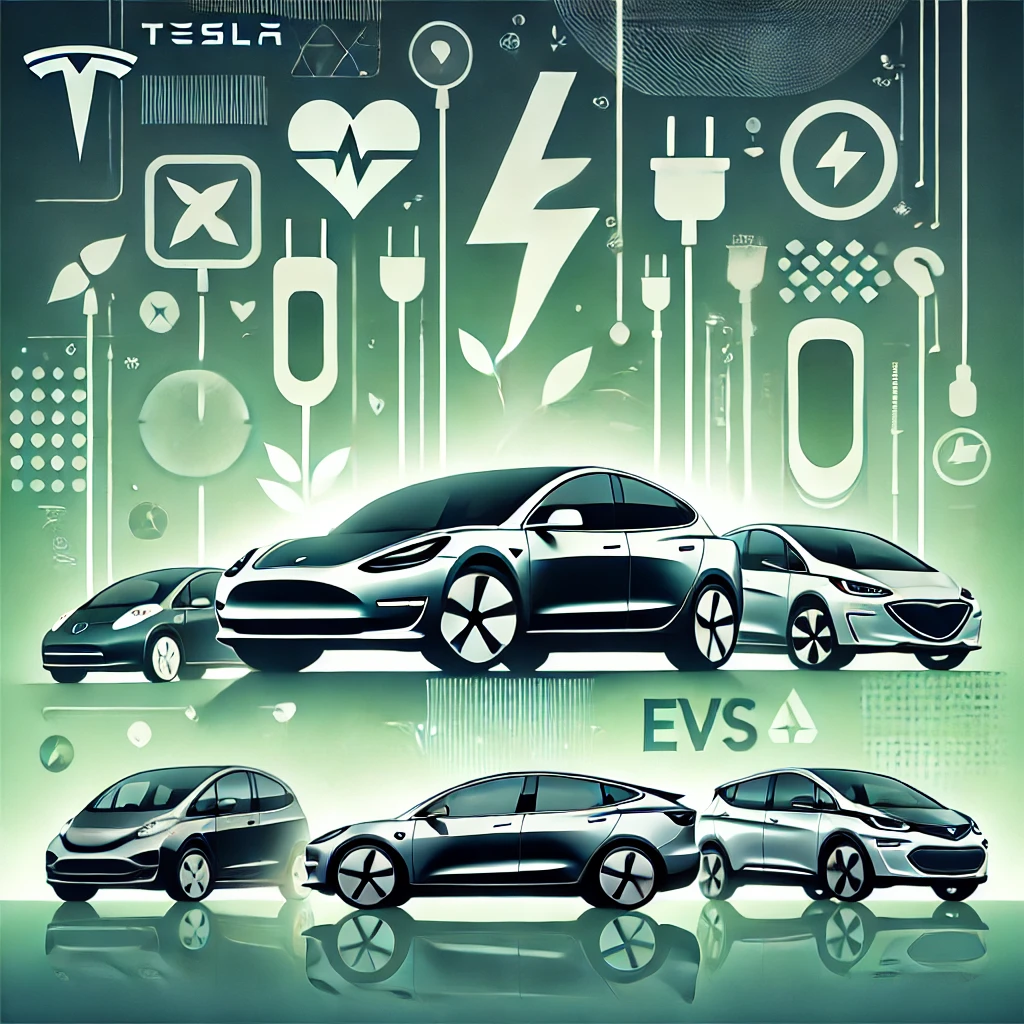
As consumer preferences evolve, so too does the variety of electric vehicles available on the market. What began with small, compact EVs aimed at early adopters has expanded to include a wide range of options, from luxury sedans to family-friendly SUVs and even electric trucks.
This diversity in offerings ensures there is an electric vehicle to meet the needs of nearly every consumer. European automakers, such as Volkswagen and BMW, and U.S. companies like Tesla and Ford, are leading the charge in creating EVs that cater to different lifestyles and preferences. The introduction of electric pickups and performance-oriented models has further broadened the market’s appeal, capturing the attention of traditionally non-EV buyers.
Policy and Regulation Driving Change
Government policies across the U.S. and Europe are key drivers of the EV revolution. In Europe, emissions regulations are among the strictest in the world, pressuring automakers to prioritize electric vehicle production. Several countries have also set ambitious targets to phase out internal combustion engine vehicles in the coming decades.
In the U.S., federal and state-level incentives, including tax credits and subsidies, are encouraging consumers to transition to electric vehicles. Some states are also offering perks like access to carpool lanes for EV drivers, making these cars even more attractive.
These regulatory efforts are not only helping consumers make the switch to electric but are also encouraging automakers to innovate and invest in EV technologies. The result is a virtuous cycle of demand and development that is propelling the market forward.
The Future of the Automotive Market
The shift in consumer preferences is clear: electric vehicles are no longer a niche product—they are becoming the new standard. As technology continues to advance and charging infrastructure improves, EVs will become even more accessible to consumers. The commitment from governments, combined with the growing awareness of sustainability, ensures that the electric vehicle market will only grow stronger in the years ahead.
In both the U.S. and Europe, the move toward electric mobility is transforming not only the automotive industry but also how society views transportation as a whole. The rise of electric vehicles represents a future where sustainability, innovation, and convenience converge, driving a cleaner and more connected world.
For automakers, suppliers, and consumers alike, this shift marks the dawn of a new era in mobility—one that is set to redefine the way we drive, live, and interact with our environment.