The automotive industry has always prioritized safety, but the advancements in 2025 are pushing the boundaries of what’s possible. From cutting-edge smart airbags to intelligent driver monitoring systems, vehicles today are smarter and safer than ever. In the United States, where road safety is a pressing concern, these technologies are not just features—they are game-changers. Let’s explore how these innovations are transforming the driving experience and compare their adoption in the U.S. to global trends.
The Evolution of Smart Airbags
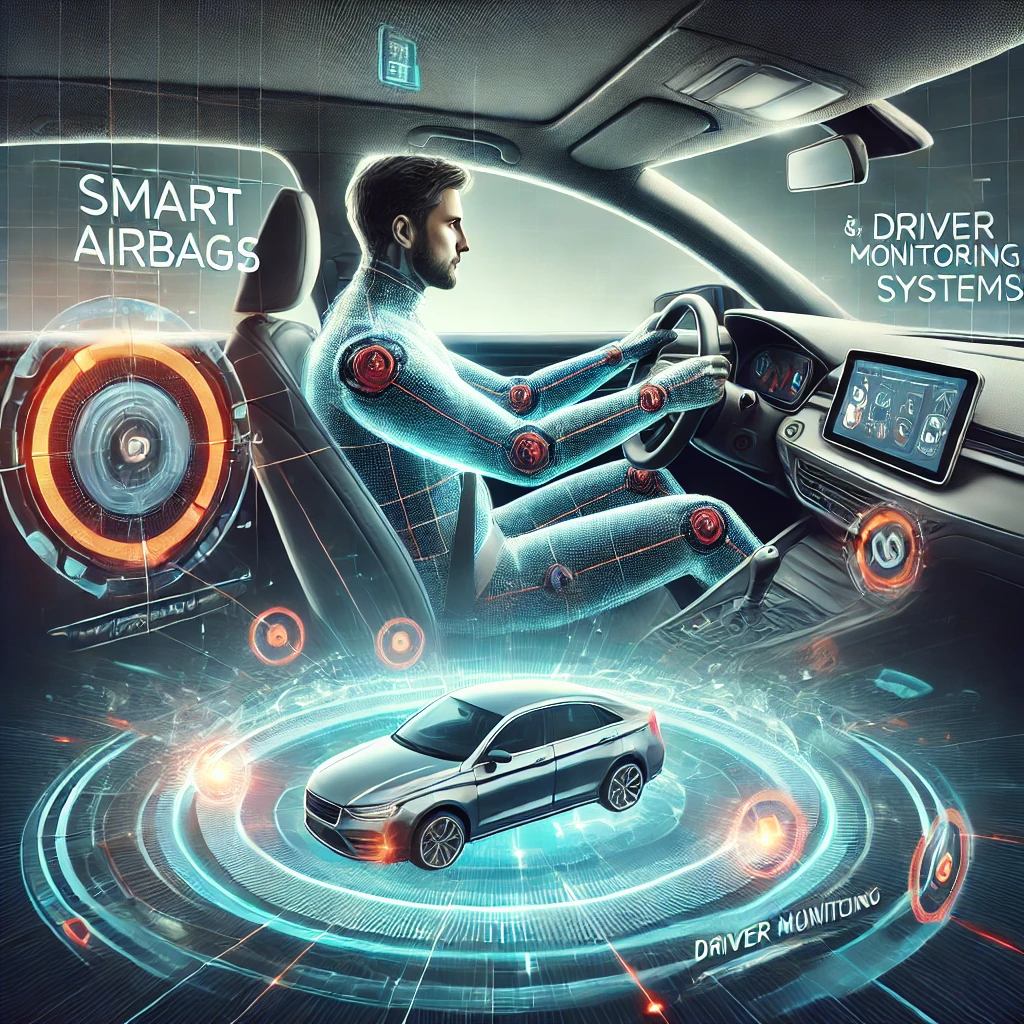
Airbags have been a cornerstone of vehicle safety for decades, but smart airbags are taking things to the next level. Traditional airbags deploy with a one-size-fits-all approach, which can sometimes cause injuries, particularly to children or smaller passengers. Smart airbags address this issue by using advanced sensors to detect the size, weight, and seating position of the occupant. They adjust the deployment force and speed accordingly, minimizing the risk of injury during an accident.
In the U.S., automakers like Ford and General Motors have been integrating smart airbags into their vehicles to meet stringent safety standards and consumer demand. These systems are particularly beneficial in a country where diverse passenger needs—ranging from family vehicles to work trucks—demand adaptable safety solutions.
Additionally, smart airbags are now incorporating features such as multi-stage deployment and enhanced side protection, further improving their effectiveness in collisions. This innovation is contributing to a steady decline in severe injuries during accidents, aligning with national safety goals.
Driver Monitoring Systems: Enhancing Awareness and Safety
Driver monitoring systems (DMS) are another revolutionary addition to modern vehicles. These systems use cameras and sensors to track the driver’s attention, alertness, and behavior. By detecting signs of fatigue, distraction, or impairment, DMS can issue real-time alerts or even take corrective actions, such as slowing the vehicle or activating emergency braking.
In the U.S., where distracted driving is a leading cause of accidents, DMS has become a vital tool for improving road safety. Automakers like Tesla, BMW, and Subaru are incorporating these systems into their vehicles, catering to a market that values technology-driven safety features.
These systems are particularly impactful in urban areas with high traffic density, where quick reactions and constant vigilance are critical. They are also playing a crucial role in commercial fleets, helping companies ensure their drivers operate safely, especially during long-haul trips.
How the U.S. Compares Globally
The United States has been a leader in adopting advanced safety technologies, but there are differences compared to regions like Europe and Asia. European regulators, for instance, have made some safety features mandatory, such as advanced emergency braking systems and driver monitoring for new vehicles. The U.S., on the other hand, relies more on consumer demand and market competition to drive adoption.
This approach has led to faster innovation in some areas but slower widespread implementation in others. American automakers are focusing heavily on integrating safety features into high-demand vehicles like SUVs and trucks, while European automakers often emphasize compact and mid-size cars. The result is a diverse landscape where U.S. consumers have access to cutting-edge technology but may face disparities in feature availability across vehicle segments.
Challenges and Future Trends
Despite their benefits, advanced safety features face challenges in the U.S. market. One key issue is affordability. While these technologies are becoming more accessible, they are often bundled with premium trims or packages, making them less available to budget-conscious buyers. Expanding these features across all vehicle price points will be critical to achieving widespread safety improvements.
Another challenge is driver education. While systems like DMS and smart airbags are designed to enhance safety, they require a basic understanding from users to be fully effective. Automakers are addressing this by including intuitive user interfaces and offering educational resources to help drivers make the most of their vehicles’ safety capabilities.
Looking ahead, the integration of artificial intelligence (AI) and machine learning will further enhance these technologies. AI-powered driver monitoring systems could predict risky behaviors before they occur, while smart airbags may become even more precise in tailoring deployment to specific crash scenarios. As these advancements continue, the future of road safety in the U.S. looks brighter than ever.
Why These Features Matter
Advanced safety features are more than just technological advancements—they represent a shift in how we think about driving. By prioritizing prevention and minimizing the impact of accidents, technologies like smart airbags and driver monitoring systems are saving lives and reducing injuries. In the U.S., where road traffic remains a significant challenge, these features are setting new benchmarks for safety.
Conclusion
The adoption of advanced safety features like smart airbags and driver monitoring systems is revolutionizing the automotive industry in the U.S. These technologies are not only making roads safer but also transforming how drivers interact with their vehicles. As we move further into 2025, the focus on innovation, accessibility, and education will ensure that these life-saving advancements benefit drivers across the country. Whether you’re behind the wheel of a family SUV or a sleek sedan, the future of driving is safer, smarter, and more secure than ever.