The automotive industry is at a crossroads, navigating the transition from internal combustion engine (ICE) vehicles to electric vehicles (EVs). For automakers in the US and Europe, this shift involves juggling two distinct production lines while meeting consumer demands, regulatory requirements, and sustainability goals. Balancing ICE and EV production is no small feat, but it is a critical step in shaping the future of transportation. Here’s how the industry is striking this balance and what it means for drivers today.
The Push Toward Electrification
The demand for EVs has been rising rapidly, fueled by stricter emissions regulations, government incentives, and growing consumer interest in sustainable options. In Europe, the push is particularly strong, with many countries setting deadlines to phase out ICE vehicles. The US is following suit, with federal and state-level policies supporting EV adoption and infrastructure development.
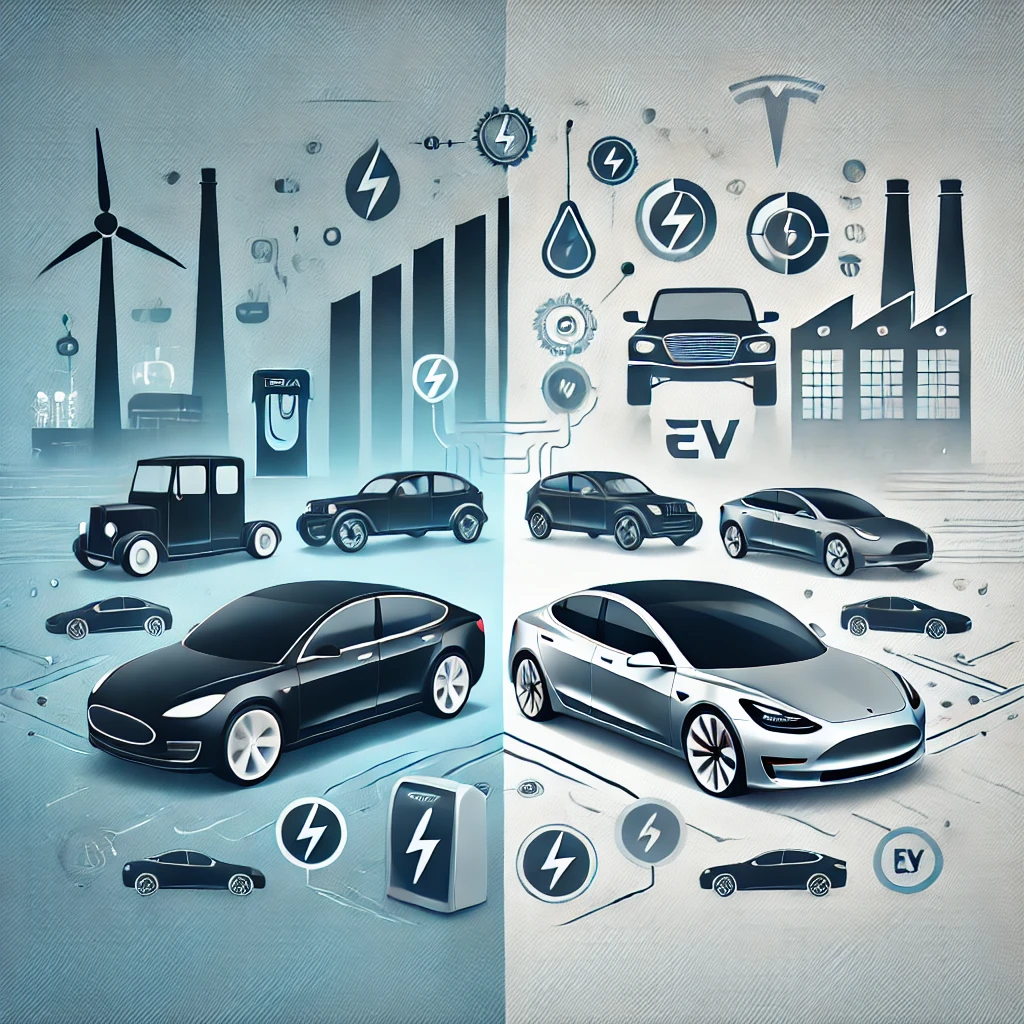
However, ICE vehicles are not disappearing overnight. They remain a significant part of the market, especially in regions where EV infrastructure is still developing or where consumers prioritize affordability. For automakers, this means maintaining robust ICE production lines while ramping up EV manufacturing—a delicate balancing act.
Strategic Investments in EV Production
Automakers in the US and Europe are investing billions in EV production facilities, battery technologies, and supply chains. Companies like Ford, General Motors, Volkswagen, and BMW have announced ambitious plans to electrify their fleets, with some aiming for all-electric lineups within the next decade.
New factories dedicated to EVs are springing up across the globe, often co-located with battery plants to streamline production. Automakers are also repurposing existing ICE production lines for EVs, enabling them to scale up manufacturing without building entirely new facilities. This approach helps them manage costs while accelerating their transition to electric mobility.
Meeting ICE Demand While Preparing for the Future
Despite the momentum toward EVs, ICE vehicles still account for the majority of car sales in the US and Europe. Many consumers continue to rely on ICE vehicles for their affordability, availability, and versatility, particularly in areas with limited charging infrastructure. Automakers are committed to meeting this demand while simultaneously developing cleaner, more efficient combustion engines to align with tightening emissions standards.
Hybrid vehicles are playing a pivotal role in bridging the gap between ICE and EVs. By combining traditional engines with electric powertrains, hybrids offer an attractive option for consumers transitioning to greener alternatives. For automakers, this strategy helps maintain ICE production while introducing more electrification into their portfolios.
Challenges in Balancing ICE and EV Production
One of the biggest challenges for automakers is managing supply chains for two very different types of vehicles. ICE vehicles rely on traditional components like engines and transmissions, while EVs require batteries, electric motors, and advanced software systems. Ensuring a steady supply of parts for both production lines is a complex task, particularly during global disruptions like chip shortages or material constraints.
Another challenge is managing costs. EV production is still more expensive than ICE manufacturing due to the high cost of batteries and the need for specialized facilities. Automakers must carefully allocate resources to ensure profitability while investing in the future.
Consumer education also plays a role in this balancing act. While interest in EVs is growing, many drivers still have concerns about range, charging infrastructure, and upfront costs. Automakers are working to address these concerns through marketing, incentives, and innovations that make EVs more accessible and appealing.
A Phased Transition to Electric Mobility
The transition from ICE to EVs is not happening all at once, and automakers are embracing phased strategies to manage this shift. In the short term, this means maintaining ICE production while expanding EV offerings. For many automakers, this includes focusing on high-demand EV segments like SUVs and trucks while continuing to produce popular ICE models.
Long term, the goal is clear: an all-electric future. Automakers are preparing for this transition by investing in research and development, building charging networks, and collaborating with governments to create supportive policies. This phased approach ensures that they can meet consumer needs today while laying the groundwork for a cleaner tomorrow.
The Road Ahead
The balance between ICE and EV production is a defining challenge for the automotive industry, but it is also an opportunity to innovate and grow. Automakers in the US and Europe are demonstrating their resilience and adaptability, finding creative ways to meet the needs of both markets while driving the shift toward sustainability.
For drivers, this means having more choices than ever before. Whether you prefer the familiarity of an ICE vehicle or the cutting-edge technology of an EV, automakers are working to deliver options that fit your lifestyle. As the industry evolves, one thing is certain: the journey toward an electric future is well underway, and it’s an exciting time to be part of it.