Africa is stepping into the global automotive spotlight with an enthusiasm that is both promising and innovative. While the continent’s automotive market is still growing compared to regions like Europe and the US, the adoption of cutting-edge automotive technologies signals a transformative era for African nations. For industry players and enthusiasts from the US and Europe, understanding this evolution presents opportunities for collaboration and growth.

The Rise of the African Automotive Market
Africa’s automotive industry has traditionally been dominated by used vehicles imported from other regions. However, this dynamic is changing as local economies grow and demand for new, efficient, and technologically advanced vehicles rises. Governments and private sector stakeholders across the continent are working to establish local automotive industries, creating jobs and fostering innovation.
Nations like South Africa, Nigeria, Morocco, and Kenya are emerging as key players in this shift. South Africa, for instance, has long been the continent’s automotive leader, boasting established manufacturing facilities and export capabilities. Morocco is gaining recognition for its growing automotive exports, particularly to European markets, thanks to investments in local production and logistics infrastructure.
Electric Vehicles: Driving the Green Revolution
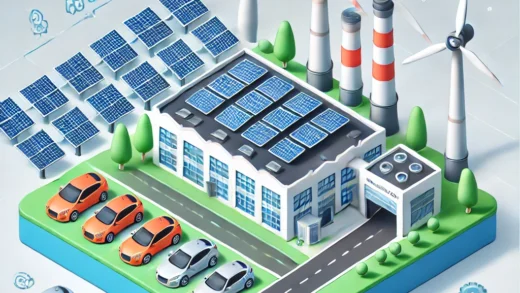
Electric vehicles (EVs) are becoming a focal point of Africa’s automotive transformation. As the world transitions to greener mobility solutions, African nations are increasingly interested in adopting EVs to reduce carbon emissions and reliance on fossil fuels. The continent’s abundant renewable energy resources, such as solar and wind power, make it an ideal candidate for sustainable EV ecosystems.
Countries like Rwanda and Kenya are taking the lead in EV adoption. Rwanda has introduced incentives to encourage EV ownership and is actively building charging infrastructure. Kenya’s efforts include partnerships with local and international firms to promote electric buses and two-wheelers, which are more accessible to its population.
For US and European automakers, Africa’s interest in EVs presents an exciting opportunity to bring sustainable technologies to a new market while contributing to global environmental goals.
Tech Integration in Mobility Services
The integration of technology into mobility services is another area where African nations are making significant strides. Ride-hailing apps, digital payment solutions, and fleet management software are becoming essential components of the transportation landscape.
In Nigeria, tech startups are transforming how people move within cities by offering app-based motorcycle taxi services. Ghana’s capital, Accra, has seen a rise in digital platforms for public transportation, allowing passengers to track buses in real time. These innovations not only improve efficiency but also make transportation more accessible and affordable for urban populations.
US and European tech companies specializing in mobility solutions can explore partnerships with African startups to co-develop technologies tailored to the continent’s unique needs.
Building Local Manufacturing Capabilities
A key aspect of Africa’s automotive journey is the push to develop local manufacturing capabilities. Governments are offering incentives to attract global automakers while encouraging the growth of homegrown brands. By investing in local production, African nations aim to reduce dependency on imports, create jobs, and stimulate economic growth.
In Nigeria, the automotive industry is receiving a boost from policies promoting local assembly plants. Meanwhile, Uganda has introduced the Kiira EV, a domestically manufactured electric vehicle, symbolizing the country’s ambition to lead in sustainable mobility.
European and American automakers can collaborate with local manufacturers to tap into this growing market. Such partnerships can help meet local demand while benefiting from cost-effective production opportunities.
The Role of Renewable Energy in Automotive Tech
Africa’s vast renewable energy potential plays a pivotal role in its adoption of modern automotive technologies. Countries like Ethiopia and Zambia are harnessing hydroelectric power to support the transition to electric mobility. Solar-powered charging stations are being deployed in regions with limited access to electricity, ensuring EV users have reliable energy sources.
By leveraging renewable energy, African nations are demonstrating that it’s possible to build a sustainable and resilient automotive ecosystem. This aligns with the global push for cleaner energy solutions, offering US and European companies a chance to collaborate on renewable energy projects linked to automotive tech.
Overcoming Challenges and Unlocking Opportunities
While Africa’s automotive tech journey is inspiring, challenges remain. Infrastructure gaps, affordability issues, and regulatory hurdles can slow the pace of adoption. However, these challenges also present opportunities for innovation.
US and European companies can play a crucial role in addressing these barriers by providing expertise, funding, and technology. Whether it’s building EV charging networks, developing affordable mobility solutions, or enhancing supply chain efficiency, there are countless ways to contribute to Africa’s automotive transformation.
A Bright Future for Africa’s Automotive Industry
Africa’s adoption of automotive technology is a testament to the continent’s resilience and ingenuity. By embracing innovation, fostering local industries, and prioritizing sustainability, African nations are paving the way for a brighter automotive future.
For US and European businesses, the opportunity to be part of this journey is both exciting and rewarding. Collaborating with African partners can lead to mutually beneficial outcomes, from technological advancements to expanded market reach. As the world’s automotive landscape evolves, Africa is proving that it’s ready to take the wheel and drive into a new era.