India’s streets are buzzing with change as two-wheeled electric vehicles (EVs) become an integral part of the country’s transportation landscape. With their cost-effectiveness, eco-friendliness, and suitability for navigating congested urban areas, these vehicles are rapidly gaining popularity. For stakeholders in the US and Europe, understanding India’s two-wheeled EV revolution offers insights into the future of sustainable mobility.
A Shift Toward Electric Mobility
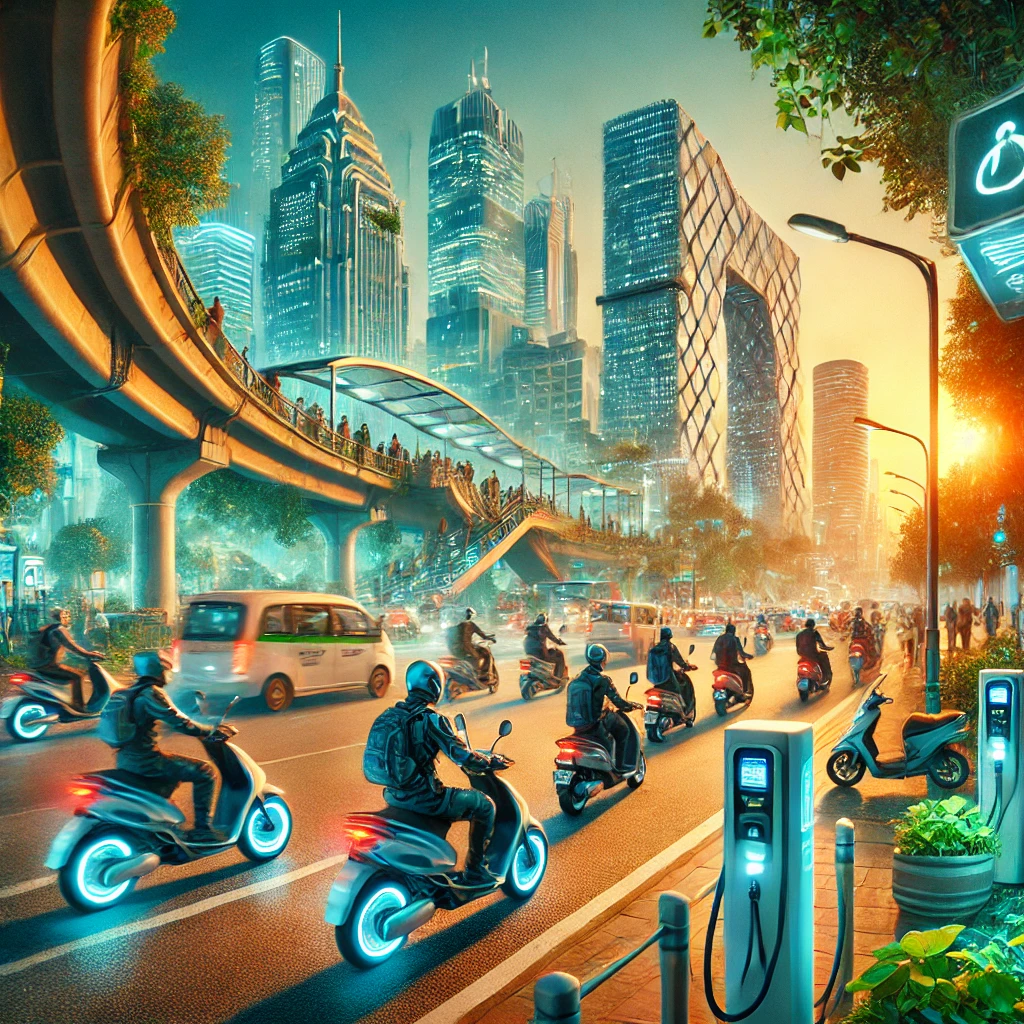
India is one of the largest markets for two-wheelers globally. Motorcycles and scooters are deeply ingrained in the country’s transportation culture, offering an affordable and efficient means of mobility for millions. The shift toward electric two-wheelers is a natural progression, driven by environmental concerns, rising fuel prices, and advancements in EV technology.
The Indian government’s push for cleaner transportation is a significant catalyst in this transition. With policies and incentives designed to promote electric vehicles, the adoption of two-wheeled EVs has accelerated. Subsidies for manufacturers and buyers, coupled with efforts to expand charging infrastructure, are creating a favorable environment for this market to flourish.
Affordable and Practical Solutions
One of the key factors driving the rise of two-wheeled EVs in India is affordability. Compared to four-wheeled EVs, electric scooters and motorcycles are significantly more economical, making them accessible to a broader segment of the population. Additionally, their low maintenance costs and minimal operating expenses further enhance their appeal.
For urban commuters, two-wheeled EVs offer unmatched practicality. Their compact design makes them ideal for navigating narrow streets and crowded cityscapes. With ranges that meet the daily travel needs of most users and battery-swapping options becoming increasingly available, these vehicles address common concerns about range anxiety and charging convenience.
Leading the Charge: Indian EV Startups
India’s two-wheeled EV market is witnessing a surge in innovation, thanks to a wave of ambitious startups. Companies like Ola Electric, Ather Energy, and Hero Electric are leading the charge with cutting-edge designs, advanced technology, and competitive pricing. These brands are setting benchmarks in performance, efficiency, and connectivity, making electric scooters and motorcycles more appealing than ever.
For US and European companies, these startups represent potential partners for collaborative ventures. By sharing expertise and leveraging local market knowledge, international players can contribute to and benefit from India’s rapidly growing EV ecosystem.
The Role of Sustainability
Sustainability is a driving force behind the adoption of two-wheeled EVs in India. With air pollution being a pressing issue in many Indian cities, electric vehicles offer a cleaner and greener alternative to traditional internal combustion engines. Transitioning to EVs aligns with India’s broader environmental goals, including reducing carbon emissions and promoting renewable energy.
In addition to reducing tailpipe emissions, many manufacturers are adopting eco-friendly practices in production and battery recycling. This commitment to sustainability resonates with a growing segment of environmentally conscious consumers, further fueling the demand for electric two-wheelers.
Overcoming Challenges
Despite the positive momentum, challenges remain in India’s two-wheeled EV market. Limited charging infrastructure, concerns about battery life, and high upfront costs for some premium models are hurdles that need to be addressed. However, the Indian government and private sector are actively working on solutions, such as expanding charging networks, offering battery-swapping services, and investing in advanced battery technologies.
For US and European companies, these challenges also represent opportunities. By contributing innovative solutions, such as portable chargers or energy-efficient battery designs, international players can position themselves as valuable partners in India’s EV journey.
A Growing Market with Global Implications
The rise of two-wheeled EVs in India is not just a local phenomenon; it has global implications. As one of the world’s largest transportation markets, India’s transition to electric mobility could set an example for other developing nations. The strategies and technologies driving this change could be adapted to other regions facing similar challenges of urban congestion, pollution, and economic constraints.
For automakers and technology companies in the US and Europe, India offers a unique opportunity to test and refine products for high-demand, cost-sensitive markets. Collaborations with Indian firms could also pave the way for innovations that benefit the global EV industry.
A Bright Future Ahead
India’s embrace of two-wheeled EVs is a testament to the country’s ability to adapt and innovate. With strong government support, a vibrant startup ecosystem, and growing consumer acceptance, the future looks bright for electric mobility in India.
For stakeholders in the US and Europe, this evolution presents an exciting opportunity to be part of a transformative movement. Whether through partnerships, investments, or knowledge exchange, there are countless ways to contribute to and benefit from India’s rise as a leader in two-wheeled electric vehicles.