As urban areas across the United States continue to grow, the demand for efficient and sustainable public transportation solutions has never been higher. In 2024, electric buses are at the forefront of this shift, offering a promising alternative to traditional diesel-powered vehicles. These electric buses not only reduce greenhouse gas emissions but also provide quieter, cleaner, and more reliable public transport options. In this blog, we will explore the rise of electric buses in public transportation, their benefits, and the challenges ahead.

The Rise of Electric Buses
The transition to electric buses is gaining momentum in the US, driven by a combination of environmental concerns, government policies, and advancements in battery technology. Many cities are setting ambitious goals for zero-emission public transport as part of their commitment to combat climate change. As a result, electric buses are becoming an increasingly common sight on city streets.
In 2024, numerous transit agencies are adopting electric buses to replace their aging diesel fleets. Notable cities like Los Angeles, Seattle, and New York have made significant investments in electric vehicles (EVs), recognizing the long-term benefits they offer. This shift is not only environmentally friendly but also helps improve air quality and public health in urban areas.
Benefits of Electric Buses
One of the most significant advantages of electric buses is their contribution to reducing carbon emissions. By transitioning to zero-emission buses, cities can significantly decrease their reliance on fossil fuels and lower their overall carbon footprint. According to recent studies, electric buses can reduce greenhouse gas emissions by up to 80% compared to their diesel counterparts. This is a crucial step towards achieving sustainability goals and improving air quality.
Another benefit of electric buses is their operational cost savings. While the initial purchase price of electric buses can be higher than that of diesel buses, the long-term savings can be substantial. Electric buses require less maintenance, as they have fewer moving parts than traditional vehicles. Additionally, the cost of electricity is generally lower than diesel fuel, resulting in reduced operational expenses over time.
Electric buses also offer a quieter ride, contributing to a more pleasant experience for passengers and reducing noise pollution in urban areas. With advancements in battery technology, many electric buses now have ranges that are suitable for most urban routes, alleviating concerns about running out of power during the day.
Challenges Ahead
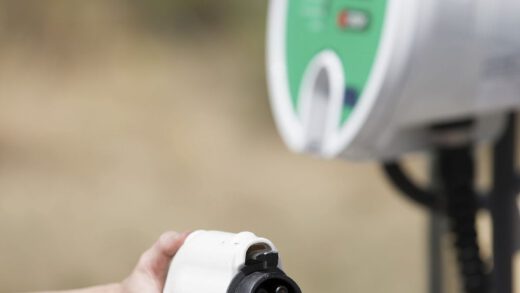
Despite the many benefits, the transition to electric buses is not without its challenges. One of the main hurdles is the upfront cost associated with purchasing these vehicles and the infrastructure needed to support them. Charging stations must be installed at depots and along bus routes, which requires significant investment from city budgets.
Additionally, there are concerns about battery life and range, particularly for longer routes. However, advancements in battery technology are addressing these issues, allowing electric buses to travel further on a single charge. In 2024, many manufacturers are producing buses with improved ranges and faster charging capabilities, making them increasingly viable for diverse transit needs.
Training staff to operate and maintain electric buses is another essential factor in the transition. Transit agencies must invest in training programs to ensure that their workforce is equipped with the knowledge and skills to handle this new technology. This investment is crucial for the successful integration of electric buses into existing transit systems.
The Future of EV Public Transport
Looking ahead, the future of electric buses in public transportation seems bright. As technology continues to advance and more cities commit to sustainability, the adoption of electric buses will likely accelerate. Federal and state incentives are also being introduced to encourage transit agencies to invest in zero-emission buses, making the transition more financially feasible.
Moreover, public awareness and support for electric buses are on the rise. As more people recognize the importance of reducing emissions and promoting clean energy, there will be increased demand for EV public transport options. This change in consumer behavior is a powerful driver in the push for sustainable transportation solutions.
In conclusion, electric buses are paving the way for a more sustainable future in public transportation across the United States. With their numerous environmental and operational benefits, these zero-emission buses are becoming an integral part of urban transit systems. While challenges remain, the momentum for electric buses is strong, and their continued integration into public transportation is set to transform the way we move in our cities. As we embrace this change, we take significant strides toward a cleaner, healthier environment for future generations.