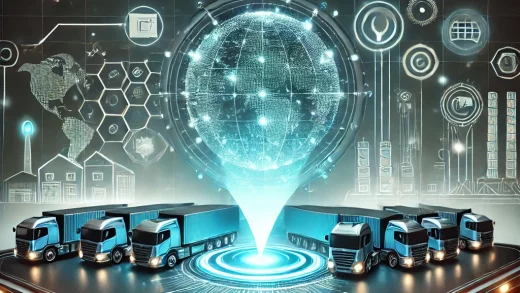
Japan has long been a leader in technological innovation, and its strategy for hydrogen cars is no exception. As the world shifts towards cleaner energy solutions, Japan’s commitment to hydrogen technology sets it apart as a global pioneer. For automakers and tech enthusiasts in the US and Europe, understanding Japan’s vision offers valuable insights into the future of sustainable mobility.
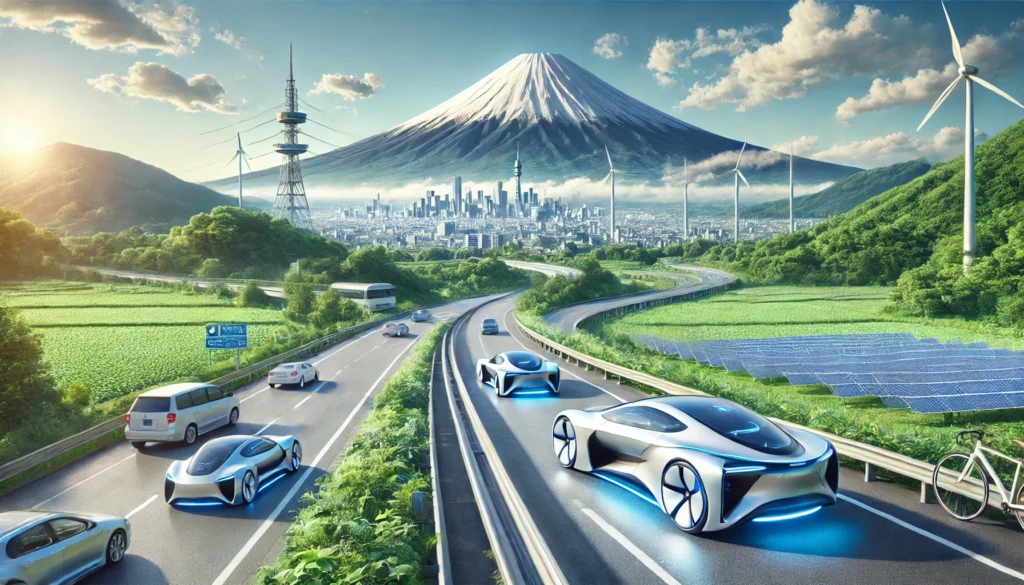
Why Hydrogen?
Hydrogen-powered cars, or fuel cell electric vehicles (FCEVs), represent a compelling alternative to battery electric vehicles (BEVs). Unlike traditional EVs, which rely on lithium-ion batteries, FCEVs use hydrogen to generate electricity, emitting only water vapor as a byproduct. This makes them an eco-friendly option with the potential to revolutionize transportation.
Japan has embraced hydrogen for several reasons. First, it aligns with the country’s goals to reduce carbon emissions and combat climate change. Second, hydrogen technology offers advantages in range and refueling time compared to battery EVs, making it particularly suitable for long-distance travel and heavy-duty vehicles. By focusing on hydrogen, Japan aims to create a diverse and resilient energy ecosystem.
Government Support and Policy Initiatives
Japan’s strategy for hydrogen cars is driven by strong government support. The government has implemented a series of policies and incentives to promote hydrogen adoption, including subsidies for consumers purchasing FCEVs and funding for research and development. These initiatives have helped make hydrogen cars more accessible and affordable for everyday drivers.
Infrastructure development is another key focus. The government is actively working to expand the network of hydrogen refueling stations across the country. By ensuring that drivers have convenient access to refueling facilities, Japan is addressing one of the main challenges facing the adoption of FCEVs.
Leading the Way with Innovation
Japanese automakers are at the forefront of hydrogen vehicle technology. Companies like Toyota and Honda have already introduced commercially available FCEVs, such as the Toyota Mirai and the Honda Clarity. These vehicles combine cutting-edge technology with exceptional performance, offering drivers a glimpse of what the future holds.
Toyota, in particular, has been a vocal advocate for hydrogen. The company views hydrogen as a key pillar of its sustainability strategy, investing heavily in the development of fuel cell technology and partnerships with other industries. Honda, too, is exploring innovative applications for hydrogen beyond passenger cars, including power generation and industrial use.
For US and European automakers, Japan’s advancements in hydrogen technology highlight the potential for collaboration and knowledge exchange. By learning from Japan’s experience, international companies can accelerate their own hydrogen initiatives.
Overcoming Challenges
While Japan’s hydrogen strategy is ambitious, it is not without challenges. The high cost of hydrogen production and storage remains a significant hurdle. However, Japan is actively investing in technologies to make hydrogen production more efficient and affordable. Efforts to develop green hydrogen, produced using renewable energy sources, are particularly promising.
Another challenge is the limited availability of refueling infrastructure. Building and maintaining hydrogen stations is expensive, and widespread adoption will require coordinated efforts between government, industry, and other stakeholders. Despite these obstacles, Japan’s commitment to hydrogen remains unwavering, with clear plans to address these issues over time.
Implications for the Global Market
Japan’s strategy for hydrogen cars has far-reaching implications for the global automotive industry. As one of the first countries to embrace hydrogen on a large scale, Japan serves as a testbed for new technologies and business models. Its experience provides valuable lessons for other nations looking to transition to hydrogen-powered mobility.
For the US and Europe, Japan’s leadership offers an opportunity to explore alternative pathways to decarbonization. While battery electric vehicles currently dominate the clean energy conversation, hydrogen presents a complementary solution with unique benefits. By adopting a balanced approach that includes both BEVs and FCEVs, automakers can better meet the diverse needs of global consumers.
A Vision for a Hydrogen Society
Japan’s vision extends beyond hydrogen cars to the creation of a hydrogen-based society. The country is investing in hydrogen-powered buses, trucks, and trains, as well as stationary fuel cells for homes and businesses. These efforts aim to integrate hydrogen into all aspects of daily life, creating a seamless and sustainable energy ecosystem.
By fostering collaboration between industries, academia, and government, Japan is building a foundation for long-term success. Its holistic approach demonstrates that hydrogen is not just a transportation solution but a cornerstone of a cleaner, more sustainable future.
Opportunities for Collaboration
The rise of hydrogen technology in Japan presents exciting opportunities for US and European companies. From joint ventures with Japanese automakers to partnerships in infrastructure development, there are numerous ways to contribute to and benefit from this growing market. Additionally, sharing expertise in areas like renewable energy and hydrogen production can help accelerate global progress.
As the world moves toward a zero-emission future, collaboration will be key. By working together, nations and industries can overcome challenges, drive innovation, and create a more sustainable planet.
Conclusion
Japan’s strategy for hydrogen cars is a bold and forward-thinking vision that has the potential to reshape the automotive landscape. By championing hydrogen as a clean and versatile energy source, Japan is paving the way for a more sustainable future. For automakers and stakeholders in the US and Europe, this journey offers valuable lessons and opportunities to explore.
The rise of hydrogen technology is a reminder that the road to sustainability is not one-size-fits-all. By embracing diverse solutions and fostering global collaboration, we can achieve a cleaner, greener, and more connected world.