The world of fleet management is changing, and software-defined vehicles, often called SDVs, are at the heart of this transformation. With the power of software playing a major role in every aspect of a vehicle, companies that operate large fleets are finding it easier than ever to optimize operations, reduce costs, and increase overall efficiency. This shift is reshaping how fleets function, not only in the US but also across Europe, where environmental and regulatory standards are driving innovation at every turn.
A New Era of Connected Vehicles
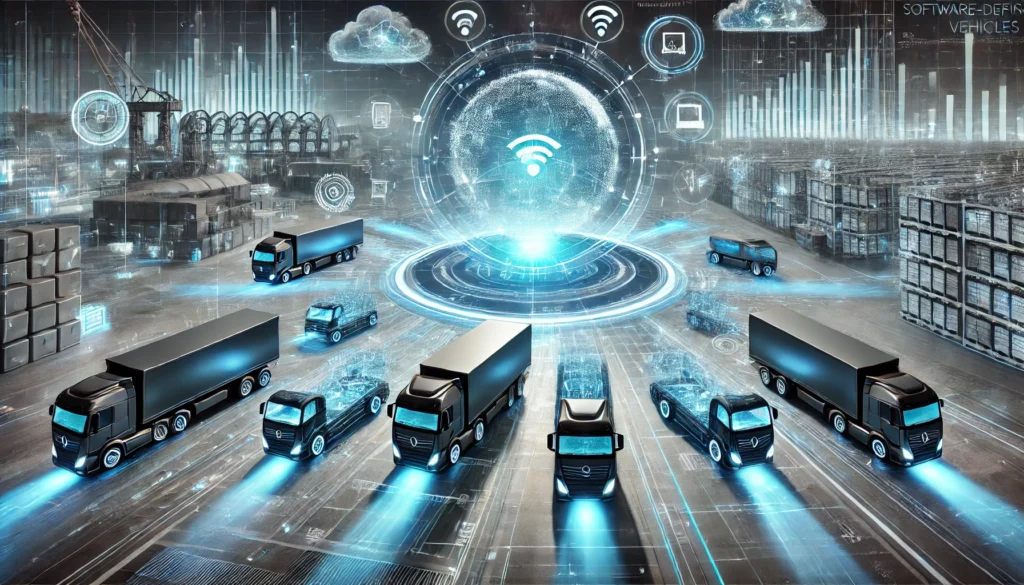
Software-defined vehicles are more than just cars or trucks outfitted with modern gadgets. They represent a fundamental change in how vehicles communicate with each other, with the cloud, and with their drivers and managers. SDVs are equipped with sensors, onboard computers, and advanced connectivity that work together to gather and process huge amounts of data. This information can be analyzed in real time, helping fleet managers in both the US and Europe make quicker and better decisions.
Rather than waiting for scheduled maintenance checks or reacting to unexpected downtime, managers can now predict potential issues and address them before they become serious. This approach, known as predictive maintenance, keeps vehicles on the road longer and reduces the chances of sudden breakdowns that could throw delivery schedules off track.
Data-Driven Insights for Better Decisions
For fleets that span states or countries, collecting data is not enough. The real advantage of software-defined vehicles lies in their ability to turn raw data into actionable insights. This helps managers identify patterns in driver behavior, vehicle wear and tear, and overall performance metrics. By knowing exactly how each vehicle in the fleet is performing, managers can balance workloads, optimize fuel efficiency, and ensure that every unit contributes to the company’s bottom line.
In Europe, where environmental regulations encourage lower emissions and cleaner transportation solutions, data-driven fleet management is especially valuable. Fleet operators can monitor their vehicles’ energy usage and efficiency, making any necessary adjustments along the way. In the US, where distances are vast, these insights can help maintain consistent performance across an entire network of routes and distribution centers.
Over-the-Air Updates and Continuous Improvement
One of the most exciting aspects of SDVs is the ability to improve and update vehicle software remotely. Known as over-the-air updates, this feature allows automakers and fleet operators to add new functionalities, patch security vulnerabilities, and enhance existing features without ever physically touching the vehicle.
For fleet managers, this means that each unit in a fleet can receive the latest updates at the same time, ensuring a consistent experience across all vehicles. There is no need to bring every truck or car into the shop to get them up to speed. Instead, the fleet remains on the road, generating revenue and maintaining a high level of performance. These continuous improvements enable fleets in both the US and Europe to stay competitive, regardless of changing customer demands or regulatory shifts.
Scalability and Adaptability
As business requirements change, software-defined vehicles allow fleets to adapt quickly. Adding new routes, managing changing delivery volumes, or incorporating alternative fuel vehicles into the lineup becomes much simpler when the underlying technology supports easy scaling. This adaptability is crucial in markets where demand can fluctuate, or where environmental standards may become more strict.
In Europe, where cities often have their own unique rules for emissions and deliveries, the flexibility offered by SDVs is invaluable. Fleet managers can adjust routes, update software for compliant driving behaviors, and modify delivery practices as regulations evolve. In the US, where long-haul deliveries might require different considerations than last-mile logistics, software-driven adaptability ensures that every vehicle is operating as efficiently as possible.
Building Trust and Reliability
No fleet can operate without trust, both inside and outside the organization. Drivers want reliable vehicles that support their work. Customers want timely deliveries with clear communication and transparency. Shareholders and stakeholders expect cost-effective operations that align with sustainability goals.
Software-defined vehicles help fulfill these expectations by providing a solid foundation of real-time information, improved safety features, and integrated compliance measures. With SDVs, managers can assure their team, their customers, and their investors that the fleet is operating at peak efficiency, making data-driven choices that enhance reliability and build trust over time.
Looking Ahead to the Future of Fleet Management
Software-defined vehicles are not a passing trend. They represent a long-term shift in how fleets are managed, monitored, and maintained. As technologies like artificial intelligence, edge computing, and advanced connectivity continue to evolve, SDVs will become even more capable.
In the US and Europe, this transformation is paving the way for cleaner, safer, and more efficient transportation networks. Fleets will increasingly rely on advanced software platforms, over-the-air updates, and data analytics to meet customer demands, comply with regulations, and stay ahead of the competition. This journey has only just begun, and as SDVs continue to shape the future of fleet management, everyone involved in the industry stands to benefit.