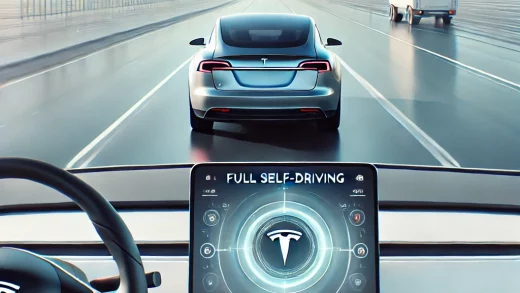
The modern vehicle is no longer just a machine that starts when you turn the key. It is a connected, intelligent platform running complex AI systems even before the driver sits down. From remote app access and digital keys to advanced driver assistance and predictive maintenance, today’s vehicles in the US and European markets are expected to be responsive at all times.
But with great intelligence comes greater energy demand. AI-heavy vehicles rely on powerful processors, multiple sensors, high-speed connectivity, and centralized compute platforms. If not carefully managed, these systems can quietly drain batteries, reduce driving range, and increase operational costs. This is where intelligent power state management becomes essential.
The Rise of Always-On Automotive Intelligence
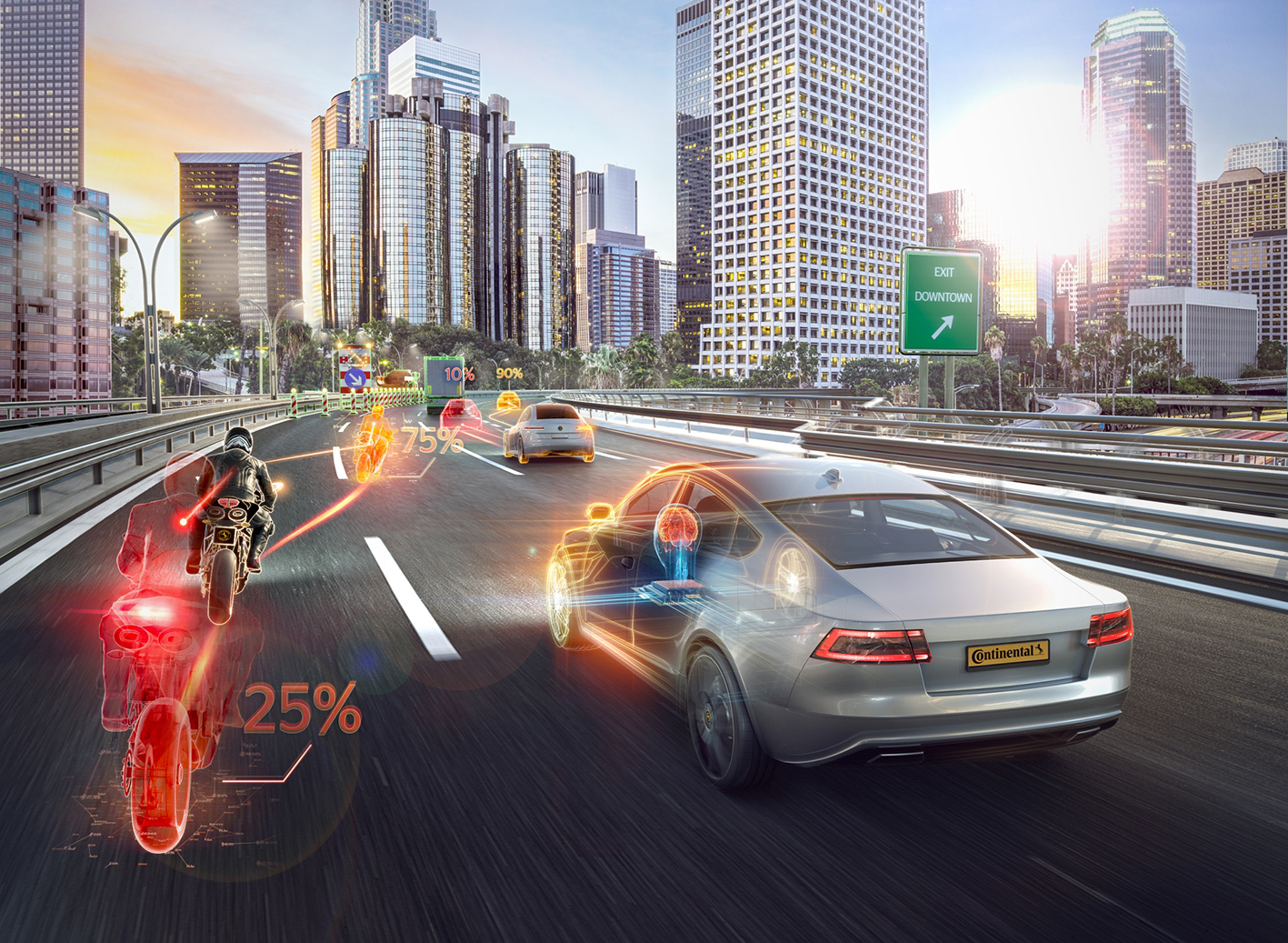
Software-defined vehicles are built around centralized computing architectures that control everything from safety systems to infotainment. These platforms run CPUs, GPUs, and neural processing units that constantly process data from cameras, radar, lidar, and connectivity modules. Even when parked, many systems remain partially active.
Features such as remote diagnostics, over-the-air updates, security monitoring, and smartphone integration require the vehicle to stay digitally alert. Consumers in the US and EU now expect their cars to behave more like smartphones, always ready to respond instantly. However, keeping systems continuously active can create unnecessary energy consumption.
The challenge for automakers is clear. Vehicles must be intelligent and responsive without compromising battery life, driving range, or fuel efficiency. The solution lies in advanced power state design that allows systems to scale up or down based on real-world needs.
Understanding Power States in Vehicles
A power state defines how much energy a system consumes at a given time and how quickly it can return to full performance. In automotive systems, power states range from deep sleep modes to fully active, high-performance driving states. Each state is carefully engineered to balance readiness and efficiency.
When a vehicle is parked overnight, certain safety and connectivity functions remain active but in low-power mode. For example, intrusion detection or remote access services operate with minimal current draw. Meanwhile, heavy AI processing units stay dormant until triggered.
When the driver approaches the vehicle, proximity sensors or smartphone authentication can signal a transition to a higher power state. Systems wake gradually, ensuring that digital displays, driver profiles, and safety features are ready without wasting energy during idle periods.
AI Workloads and Dynamic Power Scaling
Artificial intelligence systems are not equally demanding at all times. Highway cruising requires different processing intensity than navigating a busy urban intersection. Smart power management allows compute platforms to dynamically adjust performance levels according to workload.
Dynamic voltage and frequency scaling plays a major role here. Processors can reduce clock speeds when demand is low and ramp up when intensive perception or decision-making tasks are required. Neural processing units, designed for efficiency, help deliver strong AI performance without excessive power draw.
In electric vehicles, this efficiency directly impacts driving range. Even small improvements in background power consumption can translate into meaningful range gains over time. For fleet operators and urban mobility providers across Europe and North America, efficient power states reduce operational costs and improve sustainability.
Balancing Responsiveness and Energy Efficiency
One of the biggest technical challenges is minimizing wake-up latency. Drivers expect instant response when engaging features like adaptive cruise control or lane-keeping assist. If a system takes too long to transition from a low-power state to active mode, it can affect user experience and perceived safety.
Automotive engineers address this by maintaining critical subsystems in semi-active states. Instead of fully shutting down, certain components remain partially powered, ready to scale instantly. Intelligent software predicts likely usage patterns, preloading models or preparing systems before peak demand occurs.
This predictive power management approach ensures that vehicles feel responsive while still conserving energy during idle periods. It is a delicate balance that requires close coordination between hardware design, firmware optimization, and AI workload planning.
Power Management Across Vehicle Types
While electric vehicles highlight the importance of efficient power use, internal combustion engine and hybrid vehicles face similar challenges. Excessive electrical load in traditional vehicles can reduce fuel efficiency and strain the alternator system. In hybrids, power management must coordinate between combustion and electric modes seamlessly.
Thermal considerations are also linked to power states. Higher performance modes generate more heat, which can activate cooling systems and increase energy consumption. Intelligent power state strategies factor in thermal conditions, preventing unnecessary heat buildup and maintaining long-term component reliability.
Across all powertrains, efficient energy management supports regulatory goals in both the US and Europe. Stricter emissions standards and efficiency targets encourage automakers to minimize parasitic power losses from onboard electronics.
Designing for a 10-Year Digital Lifecycle
Modern vehicles are expected to remain in service for a decade or more. During that time, software updates may introduce new AI features, expanded connectivity, and enhanced digital services. Power management strategies must anticipate these future demands.
Building sufficient headroom into compute platforms allows for scalable performance without excessive energy waste. Modular architectures and intelligent workload distribution ensure that new capabilities can be added without overwhelming the electrical system.
In competitive markets, vehicles that maintain strong range performance while delivering cutting-edge AI features will stand out. Customers want the best of both worlds: advanced digital capability and efficient operation.
Always Ready, Never Wasteful
Power state management is becoming one of the most critical foundations of AI-heavy vehicles. It ensures that cars remain alert and responsive while preserving energy and protecting battery health. Thoughtful power design allows vehicles to operate intelligently without constantly draining resources.
As the automotive industry continues its transition to software-defined platforms, efficient power management will shape user experience, regulatory compliance, and long-term sustainability. Being always connected and always capable should not mean always consuming power unnecessarily.
In the next generation of vehicles across the US and Europe, the smartest systems will not just process data efficiently. They will manage energy intelligently, delivering performance when needed and efficiency when possible. That balance defines the future of truly intelligent mobility.