In today’s fast-paced world, traffic congestion and road safety are major concerns for drivers, especially in bustling urban areas. As we look to the future of transportation, technology is stepping up to offer innovative solutions. One such advancement that is making waves is 5G-enabled smart highways. These cutting-edge roads are designed to optimize traffic flow, enhance safety, and provide real-time traffic adjustments. But what does this mean for the average American driver? Let’s dive into the world of 5G-enabled smart highways and see how they could revolutionize the way we drive in 2024 and beyond.
What Are 5G-Enabled Smart Highways?
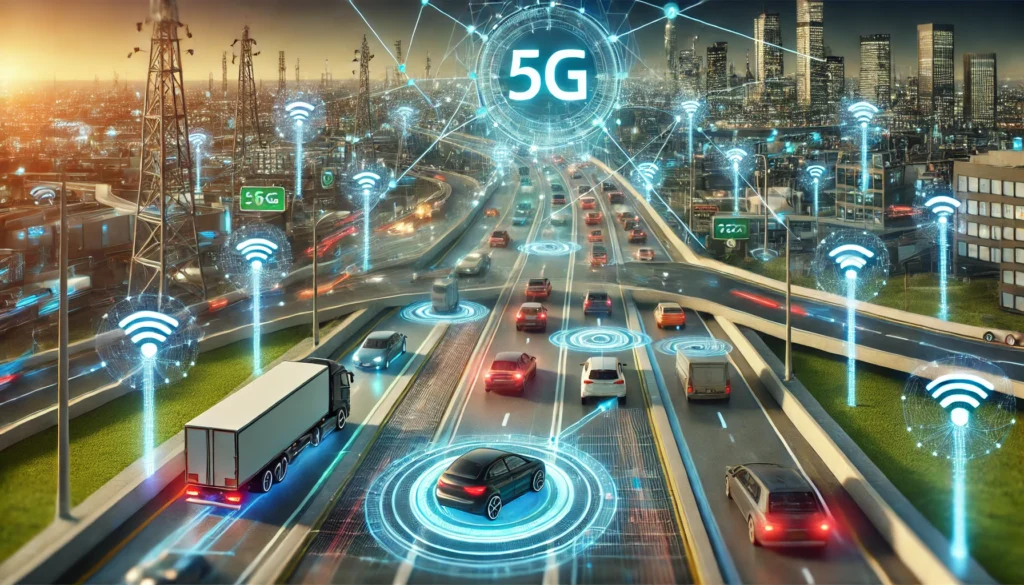
5G, the fifth generation of mobile network technology, is much more than just faster internet speeds. It’s a game-changer for many industries, including transportation. When integrated into highways, 5G creates a network of connected roads, vehicles, and infrastructure. The idea is to leverage the high-speed, low-latency capabilities of 5G to enable real-time communication between vehicles and road systems, allowing for smarter traffic management and enhanced road safety.
In essence, 5G-enabled smart highways are a digital ecosystem that allows for seamless communication between vehicles, traffic signals, road sensors, and other infrastructure. This real-time data exchange can help manage traffic flows more efficiently, improve accident response times, and even reduce fuel consumption.
How Do 5G Smart Highways Work?
The integration of 5G technology into smart highways is a complex process that involves several key components. One of the most important is Vehicle-to-Everything (V2X) communication. This system enables vehicles to communicate with each other, the road infrastructure, and even pedestrians. This means that drivers can be alerted to hazards, accidents, or traffic slowdowns long before they become visible. For example, a smart highway system can send alerts to a driver’s car about a roadblock or an accident ahead, allowing them to adjust their speed or take an alternate route.
Additionally, 5G can be used to adjust traffic signals based on real-time data. For instance, if a specific intersection is experiencing heavy traffic, the smart system can extend the green light duration to help clear the congestion. This not only improves traffic flow but also reduces the likelihood of accidents caused by sudden stops or erratic driving behaviors.
Real-Time Traffic Adjustments for Smarter Roads
The key advantage of 5G-enabled smart highways lies in their ability to make real-time traffic adjustments. Unlike traditional systems that rely on fixed timings for traffic lights and signals, smart highways can instantly respond to changing conditions. These adjustments can range from altering traffic signal patterns to rerouting vehicles in response to accidents or roadwork.
In addition to these dynamic adjustments, the use of AI and machine learning allows the system to predict traffic patterns and adjust infrastructure accordingly. For example, if a major sports event or concert is taking place, the system can anticipate increased traffic in certain areas and prepare by altering traffic signal timings or even opening additional lanes to ease congestion.
This level of traffic management not only helps reduce travel times but also plays a significant role in reducing fuel consumption and carbon emissions. By ensuring smoother flows of traffic, 5G smart highways help reduce idling and unnecessary congestion, contributing to greener, more sustainable transportation solutions.
The Road to Implementation in the US
While 5G-enabled smart highways sound like something straight out of a futuristic sci-fi movie, the technology is already being tested and implemented in several locations across the United States. States like California, Florida, and Michigan have begun to integrate 5G infrastructure into their road systems. In 2024, we’re seeing more pilot projects roll out, with various cities planning to incorporate smart technology into their highway systems in the coming years.
One notable project is the Michigan Department of Transportation’s initiative to test connected vehicle technology, which uses 5G to communicate with traffic infrastructure and other vehicles. This project aims to improve traffic flow, reduce crashes, and offer smoother driving experiences for commuters.
The Benefits of 5G Smart Highways
The benefits of 5G-enabled smart highways extend far beyond just traffic adjustments. These highways are designed to improve road safety, reduce accidents, and help reduce congestion. Through real-time data collection and analysis, these systems can predict dangerous driving conditions such as sudden weather changes, accidents, or hazards. For example, smart highways equipped with sensors can detect icy conditions or fog and send warnings to approaching drivers, giving them time to adjust their speed accordingly.
Furthermore, the integration of autonomous vehicles is another exciting possibility. As self-driving cars continue to gain traction, 5G-enabled smart highways could become the backbone of these vehicles’ navigation systems, providing them with the real-time data necessary to navigate safely and efficiently.
Looking Ahead to a Smarter Future
As 5G technology continues to evolve, the possibilities for smart highways will only expand. The future of driving in the US is shaping up to be safer, more efficient, and more sustainable thanks to real-time traffic adjustments made possible by 5G-enabled smart highways. While the technology is still in its early stages, its potential to revolutionize the transportation industry is undeniable.
In the coming years, we can expect to see more cities and states adopt these advanced systems, making our roads smarter, safer, and more connected than ever before. It’s an exciting time to be on the road, and 5G smart highways will play a key role in shaping the future of transportation.