As we navigate through 2024, the conversation around sustainability in the automotive industry has expanded beyond emissions and energy consumption to include a vital yet often overlooked resource: water. Water conservation in car production is becoming an increasingly important focus for manufacturers, especially as they strive to implement water-saving manufacturing techniques. Understanding the significance of sustainable water practices in automotive production can shed light on how the industry is evolving to protect our planet.
The Importance of Water in Car Manufacturing
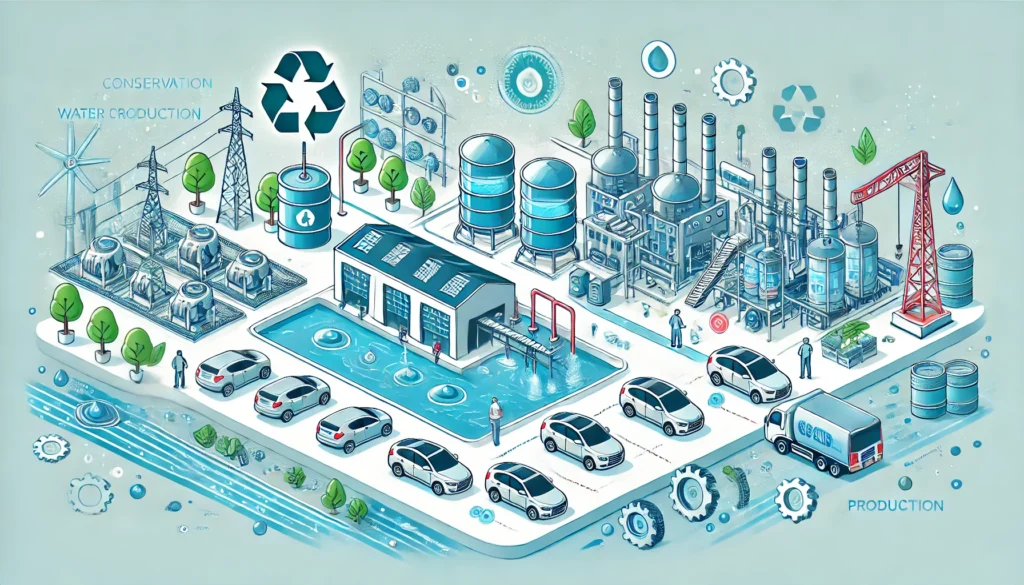
Water plays a crucial role in various stages of car production. From cooling machinery to cleaning parts and even in the painting process, the automotive industry relies heavily on this essential resource. However, as droughts and water scarcity become more common across the United States, automakers are recognizing the need to reassess their water usage and find ways to conserve it. The goal is to reduce the environmental impact of their operations while maintaining efficiency and quality in vehicle manufacturing.
In recent years, the automotive industry has come under scrutiny for its high water consumption. According to estimates, producing a single vehicle can require over 39,000 gallons of water. This staggering figure underscores the necessity for automotive companies to implement water-saving strategies that can significantly reduce their overall water footprint.
Sustainable Water Practices in the Automotive Industry
Many automakers are taking proactive steps to embrace sustainable water practices in their production processes. One effective approach is the implementation of closed-loop water systems. This system recycles water used in various manufacturing processes, allowing it to be treated and reused rather than discharged as waste. For instance, water used for cooling in manufacturing machines can be captured, cleaned, and returned to the system, significantly reducing the overall water intake.
Another common strategy involves the use of advanced water treatment technologies. Many manufacturers are investing in systems that can purify and treat wastewater, allowing it to be reused in different stages of production. By treating and reusing water, automakers can decrease their dependence on freshwater sources and lessen their impact on local water supplies.
Additionally, adopting innovative painting techniques can significantly reduce water use in car production. Traditional painting methods often require substantial amounts of water for cleaning equipment and parts. However, newer methods, such as powder coating or dry painting, can drastically cut down on water consumption while still delivering high-quality finishes.
Leading Examples in Water Conservation
Several automotive companies in the U.S. are setting the standard for water conservation in car production. Ford, for instance, has made significant strides in reducing its water usage across its manufacturing facilities. The company has implemented a goal of achieving a 30% reduction in water use per vehicle by 2025. Ford’s commitment includes investing in closed-loop water systems and enhancing water recycling methods, making its operations more sustainable.
General Motors (GM) has also prioritized water conservation as part of its broader sustainability initiatives. The company aims to use 100% renewable energy in its global manufacturing operations by 2025, which includes addressing water usage. GM has implemented various projects focused on reducing water consumption, including the installation of rainwater harvesting systems that collect and store rainwater for use in manufacturing processes.
The Role of Regulations and Community Engagement
Regulatory pressure is another driving force behind water conservation in the automotive sector. As states implement stricter water usage regulations in response to growing water scarcity, automakers must adapt their practices accordingly. By proactively addressing water conservation, manufacturers can not only comply with regulations but also position themselves as responsible corporate citizens.
Moreover, engaging with local communities is crucial for fostering sustainable water practices. Many automotive companies are collaborating with community stakeholders to identify shared water conservation goals. By working together, they can develop initiatives that benefit both the industry and the surrounding environment.
Looking Ahead: The Future of Water Conservation in Car Production
As the automotive industry continues to evolve, the importance of water conservation will only grow. The need for sustainable water practices is becoming a priority, not just for regulatory compliance but also for brand reputation and consumer demand. Car buyers are increasingly interested in supporting companies that demonstrate a commitment to environmental stewardship.
In conclusion, water conservation in car production is an essential aspect of the automotive industry’s journey toward sustainability. By adopting water-saving manufacturing techniques and engaging in innovative practices, automakers can significantly reduce their environmental impact. As we drive into the future, the focus on sustainable water practices will play a critical role in shaping a greener and more responsible automotive industry. Together, we can ensure that the vehicles of tomorrow are built with both performance and sustainability in mind.