In 2024, the push for sustainability in the automotive industry is stronger than ever. As consumers become more environmentally conscious, automakers are taking significant strides to reduce manufacturing waste and adopt sustainable practices. The shift towards zero-waste car factories not only benefits the environment but also enhances the overall efficiency of production processes. Understanding the strategies behind automotive waste reduction is essential for anyone interested in the future of car manufacturing.
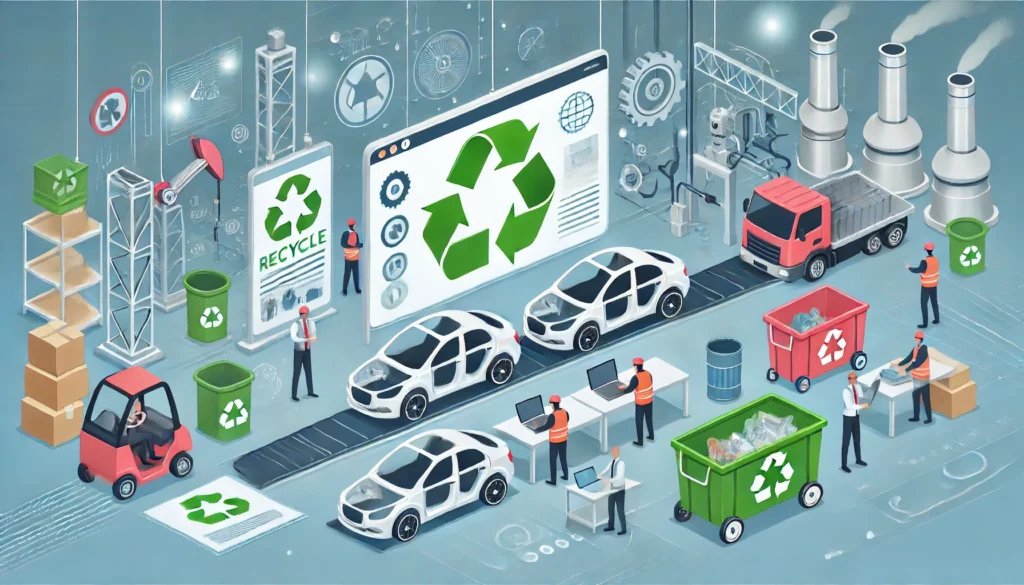
The Importance of Automotive Waste Reduction
Manufacturing waste is a significant concern in the automotive industry, contributing to pollution and resource depletion. The production of vehicles generates a variety of waste materials, including scrap metal, plastics, and excess packaging. These byproducts can have a detrimental impact on the environment if not managed properly. By focusing on waste reduction, automakers can lessen their carbon footprint, conserve resources, and improve their overall sustainability.
The concept of zero-waste manufacturing goes beyond simply reducing the amount of waste produced. It involves redesigning production processes to minimize waste generation from the outset. This proactive approach allows manufacturers to rethink how they source materials, optimize their production lines, and even engage in recycling efforts.
Sustainable Manufacturing Practices on the Rise
In the U.S., many automotive companies are adopting sustainable manufacturing practices as part of their commitment to waste reduction. One of the most effective strategies is the use of recycled materials in production. By sourcing materials that have already been processed, manufacturers can significantly cut down on the energy and resources required for new material extraction. For instance, using recycled aluminum not only reduces the demand for mining but also lowers greenhouse gas emissions associated with production.
Another approach gaining traction is the implementation of lean manufacturing principles. This methodology focuses on maximizing productivity while minimizing waste. By streamlining processes and enhancing efficiency, companies can reduce excess material usage and improve overall workflow. This is particularly relevant in assembly lines, where small adjustments can lead to significant waste reduction over time.
Many automakers are also investing in advanced technologies that promote sustainability. For example, the use of 3D printing has become increasingly popular in manufacturing. This technology allows companies to produce parts on-demand, reducing the need for excess inventory and minimizing waste from overproduction. Additionally, innovations in digital twins and simulation technologies enable manufacturers to predict outcomes and optimize processes before physical production begins.
The Role of Collaboration
Collaboration among automakers, suppliers, and even consumers is vital for effective automotive waste reduction. Many manufacturers are partnering with their suppliers to create a circular economy where materials are reused and recycled throughout the supply chain. For example, automotive companies are encouraging suppliers to adopt sustainable practices and source materials responsibly. This collective effort helps ensure that waste reduction is integrated into every step of the manufacturing process.
Consumer engagement is equally important. As awareness of environmental issues grows, customers are increasingly seeking out companies that prioritize sustainability. By supporting brands that demonstrate a commitment to automotive waste reduction, consumers can play an active role in promoting eco-friendly practices in the industry. Furthermore, automakers are responding by being more transparent about their manufacturing processes and sharing their sustainability goals with the public.
Achieving Zero-Waste Car Factories
The goal of creating zero-waste car factories is ambitious but attainable. Several automakers in the U.S. are already making strides towards this objective. Tesla, for instance, has implemented practices that minimize waste across its production facilities. The company focuses on recycling and reusing materials, aiming to divert as much waste as possible from landfills.
Similarly, Ford has made a commitment to achieve zero waste at its manufacturing plants by 2030. The automaker is actively working on initiatives to reduce waste generation, recycle scrap materials, and repurpose byproducts in innovative ways. This proactive approach sets a powerful example for other manufacturers in the industry.
Looking Toward the Future
As we move further into 2024, the focus on reducing manufacturing waste will continue to shape the automotive landscape. With rising consumer demand for sustainable practices, automakers have a unique opportunity to lead the charge toward a greener future. By embracing automotive waste reduction and sustainable manufacturing practices, they can not only improve their environmental impact but also enhance their brand reputation and build consumer loyalty.
In conclusion, the journey toward zero-waste car factories is well underway. The automotive industry’s commitment to reducing manufacturing waste is not just a trend; it’s a necessary evolution for a more sustainable future. By prioritizing waste reduction, automakers can create a more efficient and eco-friendly production process, ultimately benefiting both the planet and consumers. As we drive towards a cleaner future, let’s support and celebrate those who are committed to making a positive change in the automotive industry.