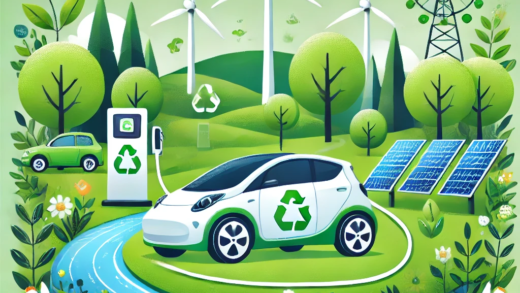
As electric vehicles (EVs) continue to gain traction in the automotive market, the conversation about what happens to their batteries after they reach the end of their automotive life is becoming increasingly important. In 2024, the focus on the second-life use of EV batteries is more relevant than ever. This innovative concept not only helps reduce waste but also opens up new possibilities for energy storage solutions that can benefit both individuals and communities.
Understanding the Concept of EV Battery Second Life
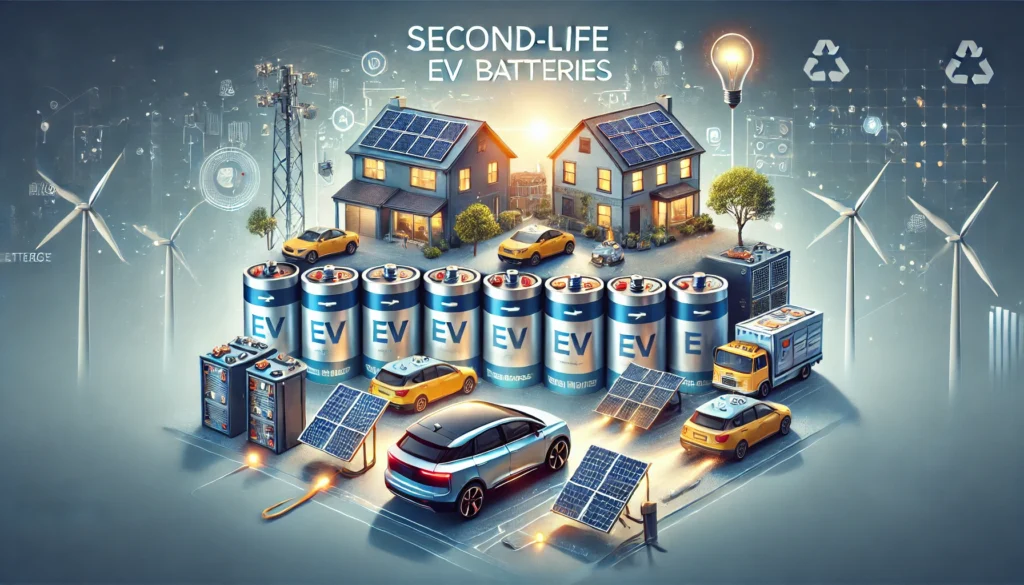
When we talk about EV battery second life, we refer to the practice of repurposing used electric vehicle batteries for alternative applications once they can no longer effectively power a vehicle. Typically, a lithium-ion battery’s performance declines after several years of use, meaning it may not hold enough charge for an EV. However, the battery still retains a significant capacity, making it suitable for other purposes.
The idea is simple: rather than disposing of these batteries or recycling them immediately, we can extend their lifespan through secondary applications. This approach not only helps mitigate environmental concerns associated with battery waste but also maximizes the resources that have already been invested in manufacturing these batteries.
Applications of Repurposed Car Batteries
The second-life use of EV batteries has a wide range of applications, particularly in energy storage solutions. One of the most promising uses is for stationary energy storage systems. As the demand for renewable energy sources like solar and wind power grows, so does the need for effective energy storage solutions to ensure that energy is available when needed.
Repurposed car batteries can be integrated into home or commercial energy storage systems, allowing homeowners to store excess energy generated from solar panels. This stored energy can then be used during peak hours when electricity demand is higher, helping to reduce energy costs and reliance on the grid. This kind of battery storage solution is particularly appealing in areas where grid stability is a concern.
Another application for second-life batteries is in microgrid systems. These localized energy grids can operate independently or in conjunction with the main grid, making them valuable for remote communities or during emergencies when traditional power sources may be compromised. By incorporating repurposed EV batteries, these microgrids can enhance energy resilience and reliability.
Benefits of EV Battery Second Life
The advantages of utilizing EV battery second life extend beyond just environmental benefits. First and foremost, it helps to reduce waste by extending the life of batteries that would otherwise be discarded. In doing so, it minimizes the demand for new battery production, which can be resource-intensive and environmentally damaging.
Moreover, using repurposed batteries for energy storage can provide cost-effective solutions for consumers and businesses. The initial investment in repurposed battery systems can be significantly lower than new battery installations, making it an attractive option for those looking to adopt renewable energy solutions without breaking the bank.
The growing interest in second-life applications is also driving innovation in battery technology and recycling methods. As automakers and energy companies explore new ways to repurpose car batteries, they are creating jobs and fostering economic growth in the green technology sector.
Challenges to Overcome
While the potential for EV battery second life is exciting, there are challenges to consider. One significant hurdle is the need for standardized practices in battery assessment and repurposing. Establishing clear guidelines on how to evaluate battery health and performance will be crucial for ensuring the safety and reliability of second-life applications.
Additionally, there is a need for collaboration between automakers, energy companies, and policymakers to create a supportive ecosystem for battery reuse. By working together, stakeholders can develop infrastructure and incentives to promote second-life battery solutions.
Looking Ahead: A Sustainable Future
As we move further into 2024, the second-life use of EV batteries represents a critical step toward a more sustainable automotive future. The opportunities for repurposed car batteries extend beyond personal use; they can contribute to broader energy solutions that benefit entire communities.
By embracing the concept of battery reuse, we not only address the environmental concerns associated with battery waste but also tap into a valuable resource that can enhance energy security and accessibility. As consumers, manufacturers, and policymakers unite to support these initiatives, the second life of EV batteries can help pave the way for a greener future.
In conclusion, the journey of an EV battery doesn’t have to end when it leaves the car. Through innovative thinking and practical applications, we can give these batteries a second life, transforming them into powerful solutions for our energy needs. Together, let’s harness the potential of repurposed batteries and drive toward a sustainable and electrifying future.