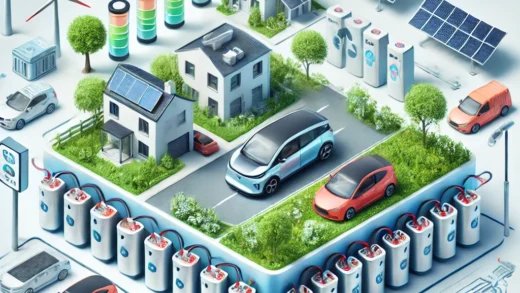
Electric vehicles (EVs) have surged in popularity over the past decade, driven by a combination of technological advancements, environmental concerns, and rising fuel costs. But one question remains on the minds of many: Are electric cars truly greener for the environment? The answer is not as simple as a straightforward “yes” or “no.” There are various factors to consider, particularly when comparing electric vehicles to traditional gasoline-powered cars in the United States.
Let’s explore the key aspects that determine the environmental impact of electric vehicles and how they stack up against their fossil-fuel counterparts in 2024.

The Big Picture: Electric Car Emissions vs. Gasoline Cars
When talking about whether electric cars are greener, it’s essential to consider their emissions. Traditional gasoline-powered vehicles emit greenhouse gases like carbon dioxide (CO2) directly from their exhaust, contributing to air pollution and climate change. These vehicles burn fuel to generate power, and the result is a significant release of pollutants into the atmosphere.
In contrast, electric cars produce zero tailpipe emissions. Since they run on electricity instead of gasoline, they don’t emit harmful pollutants like CO2, nitrogen oxides (NOx), or particulate matter while driving. This leads to cleaner air, especially in densely populated urban areas.
However, the conversation doesn’t stop there. The environmental impact of electric cars also depends on how the electricity that powers them is generated. In areas where the electricity grid relies heavily on fossil fuels like coal or natural gas, the indirect emissions of electric cars might still be substantial. On the flip side, in regions that use cleaner energy sources like wind, solar, or hydropower, EVs can dramatically reduce the overall carbon footprint of transportation.
The Role of the U.S. Electric Grid
One key factor influencing the EV environmental impact is the source of electricity in different parts of the U.S. In states like California, where renewable energy is widely adopted, electric cars are significantly greener because the power they use comes from cleaner sources. More than 30% of California’s electricity is generated from renewable energy, making it one of the best places in the U.S. to drive an electric vehicle in terms of emissions reduction.
However, in states where coal is still a major source of electricity, the environmental benefits of electric vehicles are reduced. Even so, driving an electric car in these regions is often still better for the environment than a traditional gasoline car, since power plants operate more efficiently than individual car engines. Plus, as the U.S. continues to move towards greener energy and more renewable sources, the environmental benefits of electric cars will only increase.
Manufacturing and Battery Production
When we ask “are electric cars greener?” it’s also important to look beyond emissions and consider the entire lifecycle of the vehicle. Producing an electric vehicle, especially the battery, requires a substantial amount of energy. Mining raw materials like lithium, cobalt, and nickel used in batteries can have significant environmental impacts. Additionally, the manufacturing process of EV batteries tends to produce more emissions compared to traditional car manufacturing.
That said, once an electric car is on the road, it compensates for the extra emissions generated during its production. Over time, the lower operational emissions of an electric vehicle offset the higher manufacturing footprint. On average, after just a few years of use, electric cars tend to have a smaller environmental impact compared to gasoline vehicles.
The industry is also working to make EV batteries more sustainable. Advances in battery recycling technology and more eco-friendly mining practices are expected to further reduce the overall environmental impact of electric car production in the coming years.
Long-Term Environmental Benefits
When evaluating electric cars’ long-term environmental benefits, it’s clear that they play a key role in reducing overall greenhouse gas emissions. As more people switch to EVs, and as the U.S. energy grid becomes greener, the positive impact on the environment will grow.
By 2024, the shift towards electric vehicles in the U.S. is contributing to cleaner air and a reduction in dependence on fossil fuels. Electric car emissions, when combined with renewable energy, are significantly lower than those of gasoline-powered vehicles, helping to mitigate climate change and reduce air pollution. As more states adopt policies promoting renewable energy, the future of EVs looks even greener.
Are Electric Cars the Greener Choice?
In conclusion, while electric cars are not completely without environmental impact, they are generally a much greener option compared to traditional gasoline-powered vehicles. Their emissions are lower, especially as the energy grid becomes cleaner, and their long-term benefits for reducing air pollution and greenhouse gases are substantial.
If you’re considering switching to an electric vehicle in 2024, rest assured that you’re making a choice that is not only good for your wallet but also for the environment. By driving an EV, you’re helping to reduce the overall EV environmental impact and contributing to a greener, more sustainable future for all.