Maintaining your car goes beyond regular oil changes and tire rotations. One important aspect of keeping your vehicle roadworthy, particularly in the United States, is passing emissions testing, commonly known as a smog check. This test ensures that your car’s emissions are within legal limits, helping to reduce air pollution and protect the environment.
If you’re new to the world of smog checks or haven’t had your car tested in a while, here’s a simple guide to understanding what it’s all about, why it matters, and how to keep your car in top condition.
What is an Emissions Test?
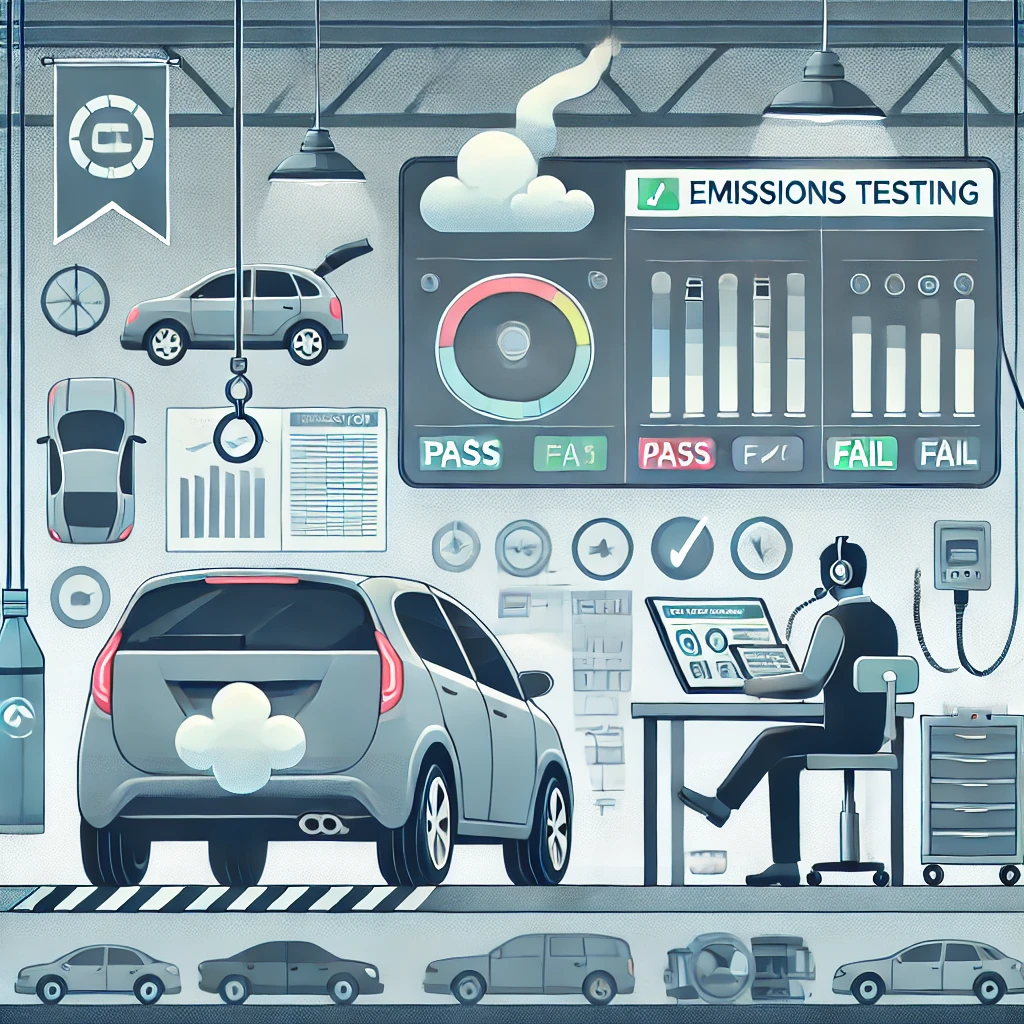
An emissions test is an inspection designed to measure the pollutants your vehicle releases into the air through the exhaust system. These tests monitor emissions of gases like carbon monoxide (CO), hydrocarbons (HC), nitrogen oxides (NOx), and particulate matter (PM). High levels of these gases contribute to air pollution, which can negatively affect public health and the environment.
In many states, a smog check is required to ensure that your vehicle meets the Environmental Protection Agency’s (EPA) air quality standards. While the exact requirements vary by state, most regions in the U.S. have regulations in place to limit vehicle emissions. Some states only test vehicles registered in heavily populated urban areas, where pollution is more concentrated, while others have more widespread testing requirements.
Why Do You Need a Smog Check?
A smog check isn’t just another box to tick on your car maintenance list. It plays a crucial role in improving air quality and keeping the environment clean. The Clean Air Act mandates emissions testing in areas with high pollution levels, and failing to comply could result in hefty fines or registration renewal issues.
Regular emissions testing also helps identify any engine problems, particularly those affecting fuel efficiency and performance. If your vehicle emits too many pollutants, it could indicate underlying issues like a malfunctioning catalytic converter or oxygen sensor. Catching these problems early not only helps you pass the smog test but can save you money on fuel costs and prevent expensive repairs in the future.
How Often is an Emissions Test Required?
The frequency of a required emissions test depends on where you live and the type of vehicle you drive. In states like California, Nevada, and New York, most vehicles are subject to smog checks every two years as part of the registration renewal process.
Some states, however, may only require testing every few years or when you sell or transfer ownership of the vehicle. Cars that are newer, often less than six years old, may be exempt from testing as manufacturers design them to meet stricter emissions standards from the get-go. On the other hand, older vehicles or those with a history of failing emissions tests might be required to undergo more frequent inspections.
What Happens During a Smog Check?
A typical smog check takes 20 to 30 minutes and involves three parts. First, a visual inspection ensures that your vehicle’s emission control components, like the catalytic converter, are installed and working properly. Then, a functional test examines key components such as the engine control module and oxygen sensors to ensure they’re working within acceptable limits. Finally, a tailpipe emissions test measures the amount of pollutants coming out of your car’s exhaust.
In some states, your vehicle may be connected to a diagnostic tool that communicates with the car’s onboard computer system to check for potential emission-related issues. If your car passes the test, you’ll receive a certificate that allows you to complete your registration. If it fails, you’ll need to address the issues and have the vehicle retested.
How to Prepare Your Car for an Emissions Test
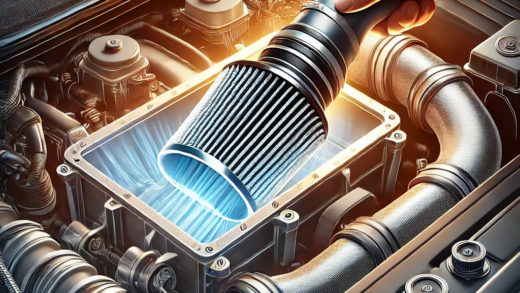
If you’re worried about passing your smog check, a few maintenance steps can improve your chances. Make sure your engine is properly tuned, and replace any worn-out parts like the air filter or spark plugs. Check the oil and ensure there are no leaks. Driving your car for at least 15 to 20 minutes before the test can also help because a warm engine performs better and reduces emissions.
If your check engine light is on, it’s almost guaranteed that your vehicle will fail the emissions test. It’s a good idea to have any warning lights investigated and addressed by a mechanic before going for the test.
Wrapping Up
Emissions tests and smog checks may seem like a hassle, but they play an essential role in keeping the air clean and ensuring your vehicle runs efficiently. Staying up-to-date with these inspections not only helps the environment but also keeps you in good standing with state regulations. By maintaining your car properly, you’re contributing to cleaner air and a healthier planet for everyone.
So, whether you’re a seasoned car owner or someone new to the process, make sure your vehicle passes its next smog check with ease. It’s good for your car, your wallet, and the world around you.