As concerns about climate change grow, understanding the environmental impact of cars has become a priority for many Americans. If you’re wondering how your vehicle fits into the global environmental puzzle, a good starting point is to examine the carbon footprint of cars. But what exactly does “carbon footprint” mean, and how do vehicle emissions play a role? Let’s break it down in a simple and approachable way.
What is a Car’s Carbon Footprint?
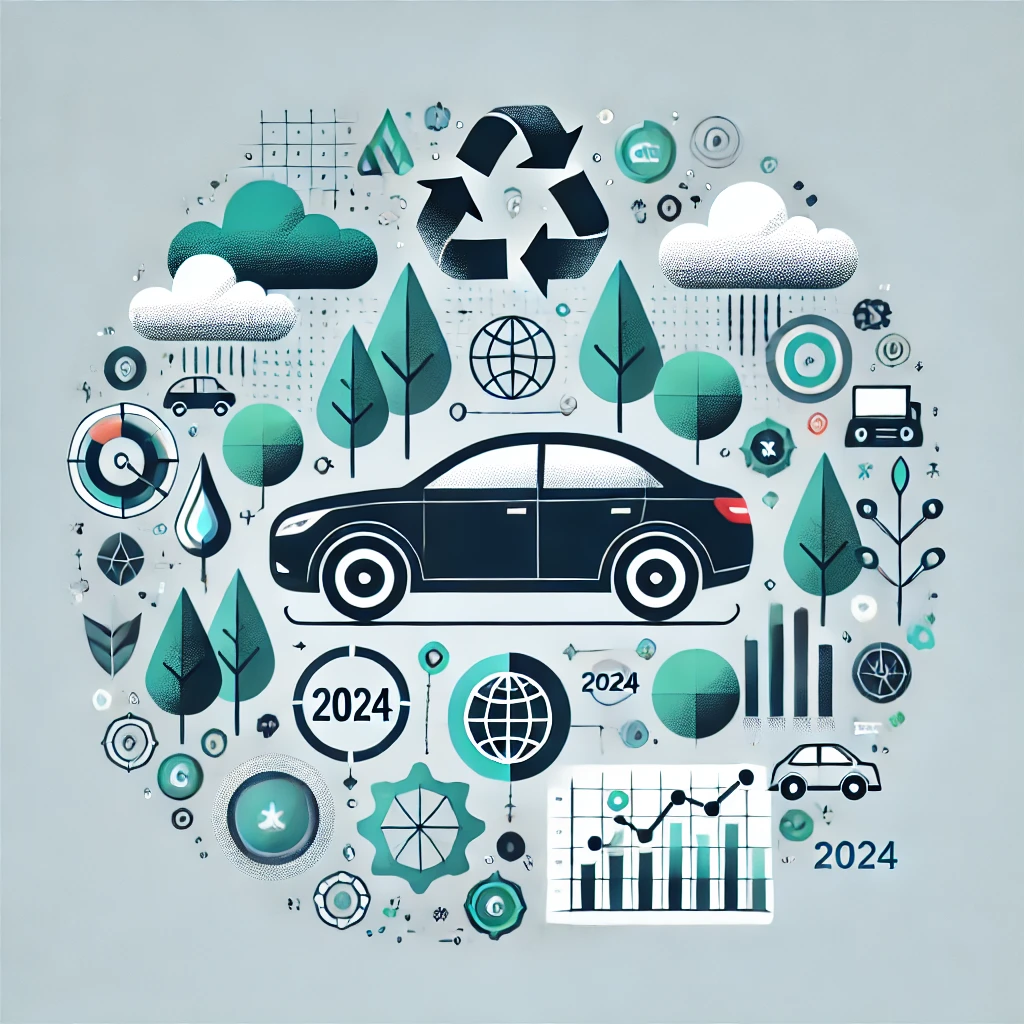
A carbon footprint is a measure of the total amount of greenhouse gases, particularly carbon dioxide (CO₂), released into the atmosphere as a result of human activities. For cars, this includes emissions produced directly from the fuel they burn and, in some cases, the manufacturing process. In simpler terms, the more gasoline or diesel your car uses, the larger its carbon footprint will be.
In the US, transportation is one of the biggest contributors to CO₂ emissions, accounting for about 29% of the country’s greenhouse gas emissions. This makes understanding your car’s carbon footprint essential if you’re looking to reduce your environmental impact.
The Factors That Affect Vehicle Emissions
When talking about the carbon footprint of cars, a few key factors come into play:
Fuel Type
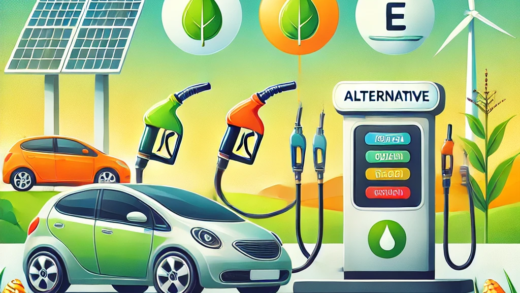
Gasoline and diesel are the two most common fuels used by cars in the US. Gasoline-powered vehicles tend to release slightly less CO₂ per gallon of fuel compared to diesel. However, diesel cars are generally more fuel-efficient, meaning they can travel more miles per gallon. This makes the comparison between gasoline and diesel vehicles complex when considering their overall environmental impact. Meanwhile, electric vehicles (EVs) don’t emit CO₂ during driving, but their carbon footprint depends on how the electricity they use is generated.
Fuel Efficiency
Fuel efficiency measures how many miles a vehicle can travel on a gallon of fuel. The higher the fuel efficiency, the lower the car’s carbon footprint. Newer cars are generally more fuel-efficient due to advancements in engine technology and stricter environmental regulations. In the US, fuel-efficient cars—like hybrids—are gaining popularity as drivers look to cut down on vehicle emissions and save money on fuel costs.
Driving Habits
Your personal driving habits also have an effect on your car’s carbon footprint. Frequent acceleration, heavy braking, and driving at high speeds burn more fuel and result in more emissions. In contrast, driving smoothly, avoiding traffic where possible, and using cruise control on highways can help reduce fuel consumption and lower your carbon footprint.
Gas vs. Electric Cars: A Comparison in 2024
The rise of electric vehicles (EVs) in recent years has dramatically shifted the conversation about the environmental impact of cars. So, how do EVs stack up against traditional gasoline-powered vehicles?
Electric Vehicles
Electric vehicles produce zero tailpipe emissions, which means they do not release CO₂ while driving. This makes them an attractive option for eco-conscious drivers. However, the carbon footprint of an EV is still influenced by the source of electricity used to charge it. In regions where renewable energy sources like wind or solar power are prevalent, EVs have a much smaller carbon footprint compared to gas-powered cars. In areas that rely heavily on coal or natural gas for electricity, the environmental benefit of driving an EV might be smaller, but still significant. The US is steadily increasing its use of renewable energy, making EVs a greener choice year by year.
Gasoline and Hybrid Cars
Gasoline cars, on the other hand, directly emit CO₂ through their exhaust. The size of their carbon footprint depends on factors like fuel efficiency and driving conditions. Hybrids are a middle ground, using both a gasoline engine and an electric motor. While they still emit CO₂, hybrids are more fuel-efficient and offer lower emissions than conventional gasoline vehicles.
How to Reduce Your Car’s Carbon Footprint in 2024
If you’re looking to minimize the environmental impact of cars, there are several steps you can take. If you’re in the market for a new vehicle, consider opting for a fuel-efficient or electric car. These vehicles are designed to reduce fuel consumption and produce fewer emissions, helping to lessen their carbon footprint.
Even if you’re not ready to switch to an EV, adopting better driving habits can help lower vehicle emissions. For example, carpooling, maintaining your vehicle, and reducing idling time are all ways to cut down on unnecessary fuel usage. Regular vehicle maintenance, like keeping tires properly inflated and getting timely oil changes, can also improve fuel efficiency and reduce emissions.
The Future of Vehicle Emissions in the US
In 2024, the US is continuing to push for greener transportation. Stricter fuel efficiency standards, an expanding network of EV charging stations, and increased support for renewable energy are all helping to lower the overall carbon footprint of cars. As electric vehicles become more affordable and accessible, they will play an even bigger role in reducing the environmental impact of cars across the country.
Understanding the carbon footprint of your car is the first step toward making more eco-friendly choices. Whether you’re driving a traditional gasoline car or an electric vehicle, small changes can make a big difference for the environment.