In 2024, the fusion of wearable technology and automotive safety is steering us toward a smarter and safer driving experience. Imagine a car that communicates with your smartwatch or fitness tracker, monitors your health, and ensures you’re alert behind the wheel. This isn’t just a futuristic idea—it’s already happening. Wearable tech integration is revolutionizing car safety, creating a world where technology actively safeguards drivers and passengers.
Both the United States and Europe are embracing this innovation, albeit with different priorities and approaches. Let’s dive into how wearable tech is enhancing vehicle safety, its impact on health monitoring, and the unique strategies shaping its adoption across these regions.
What Is Wearable Tech Integration in Cars?
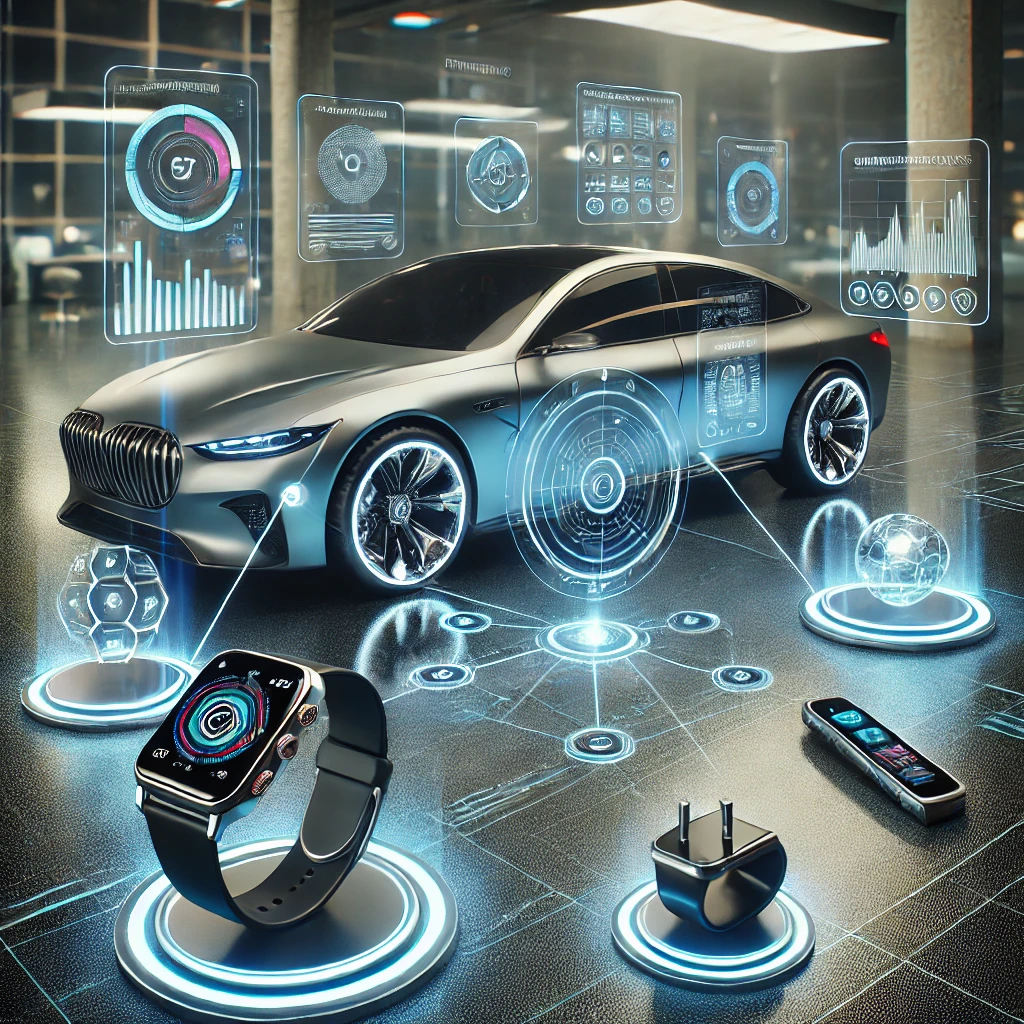
Wearable tech integration involves connecting devices like smartwatches, fitness bands, and even wearable ECG monitors to a vehicle’s safety systems. These devices track vital signs such as heart rate, blood pressure, and even oxygen levels, providing real-time data to the car’s onboard systems. Using this information, the car can detect signs of fatigue, stress, or medical emergencies, alert the driver, and take preventive actions if necessary.
For instance, if a wearable detects signs of drowsiness, the car might issue an alert, suggest a break, or even slow down to ensure safety. In more serious cases, such as detecting abnormal heart rhythms, the car could activate hazard lights and automatically call for emergency assistance.
This integration is about more than just preventing accidents. It’s a holistic approach to driver wellness, combining health monitoring with proactive safety measures to make roads safer for everyone.
The US Approach: Personalization and Advanced Features
In the United States, wearable tech integration focuses heavily on personalization and advanced safety features. American automakers like Ford and General Motors are incorporating systems that work seamlessly with popular wearable brands like Apple, Fitbit, and Garmin. By leveraging these devices, US vehicles provide drivers with tailored safety recommendations based on their health and driving patterns.
For example, a smartwatch synced with the car can provide personalized alerts about stress or fatigue levels during long drives. This is especially valuable for truck drivers, road trippers, and commuters who spend extended hours behind the wheel. Some systems even integrate with infotainment features, offering calming music or guided relaxation exercises when stress is detected.
The US also emphasizes leveraging wearable tech in semi-autonomous vehicles. As automation increases, wearables ensure drivers remain engaged when necessary, providing alerts if the system detects distractions or reduced alertness. This integration enhances trust in autonomous technology while keeping safety a top priority.
Europe’s Take: Wellness and Regulatory Compliance
In Europe, wearable tech integration is driven by wellness and compliance with strict safety regulations. European automakers like Volvo, BMW, and Mercedes-Benz are embedding health-focused technologies to align with the region’s commitment to road safety and sustainability.
Wearable tech in Europe often goes beyond the individual, focusing on community safety. For instance, if a driver’s wearable detects fatigue, the car might reduce speed and adjust driving assistance settings, prioritizing not only the driver’s safety but also the well-being of others on the road.
Europe’s emphasis on sustainability is also reflected in this technology. Many systems integrate wearable health data with eco-driving modes, encouraging drivers to adopt safer and more fuel-efficient habits. This aligns with Europe’s broader environmental goals while enhancing overall driving safety.
European regulations play a significant role in shaping wearable tech adoption. Strict rules around health and safety in vehicles have encouraged automakers to innovate, ensuring that wearables contribute to accident prevention and emergency response.
Why Wearable Tech Integration Matters
Wearable tech integration is more than a convenience—it’s a life-saving innovation. Drowsy driving, stress, and medical emergencies are leading causes of accidents, and wearable devices provide a way to address these issues proactively. By continuously monitoring health and alertness, these systems offer an extra layer of protection, helping drivers stay focused and responsive.
From a health perspective, wearable integration empowers individuals to take control of their wellness. Real-time data can encourage healthier driving habits, reduce stress, and provide peace of mind for drivers and their families.
Challenges and the Path Forward
Despite its potential, wearable tech integration faces challenges. In the US, privacy concerns are a major hurdle. Drivers are cautious about sharing sensitive health data with automakers, and addressing these concerns requires transparent data policies and robust security measures.
In Europe, the challenge lies in scaling the technology across a diverse market. With varying levels of tech adoption and infrastructure across countries, achieving widespread integration requires collaboration between automakers, wearable tech companies, and regulators.
As technology advances, these challenges are being addressed. Improvements in AI, data security, and cross-platform compatibility are paving the way for more seamless and accessible wearable tech integration.
The Future of Safer, Smarter Driving
Wearable tech integration is transforming cars into proactive guardians of our health and safety. In the US, it enhances personalization and supports semi-autonomous driving, while in Europe, it aligns with wellness and regulatory goals. Together, these innovations are setting new standards for road safety, making driving a healthier and more secure experience.
As this technology becomes more widespread, the dream of accident-free roads and healthier drivers feels closer than ever. Wearable tech isn’t just shaping the future of driving—it’s shaping the future of how we care for ourselves on the road.