In the world of modern automobiles, comfort is no longer a luxury—it’s an expectation. Dynamic air suspension systems are leading this transformation by offering real-time adjustments for a smoother, more controlled ride. Whether you’re cruising down a highway or navigating bumpy roads, these systems adapt instantly to provide unparalleled comfort and performance.
As we drive further into 2024, both the United States and Europe are embracing dynamic air suspension technology, albeit with slightly different priorities and applications. Let’s explore how this advanced feature is redefining driving experiences and what sets the approaches apart across these regions.
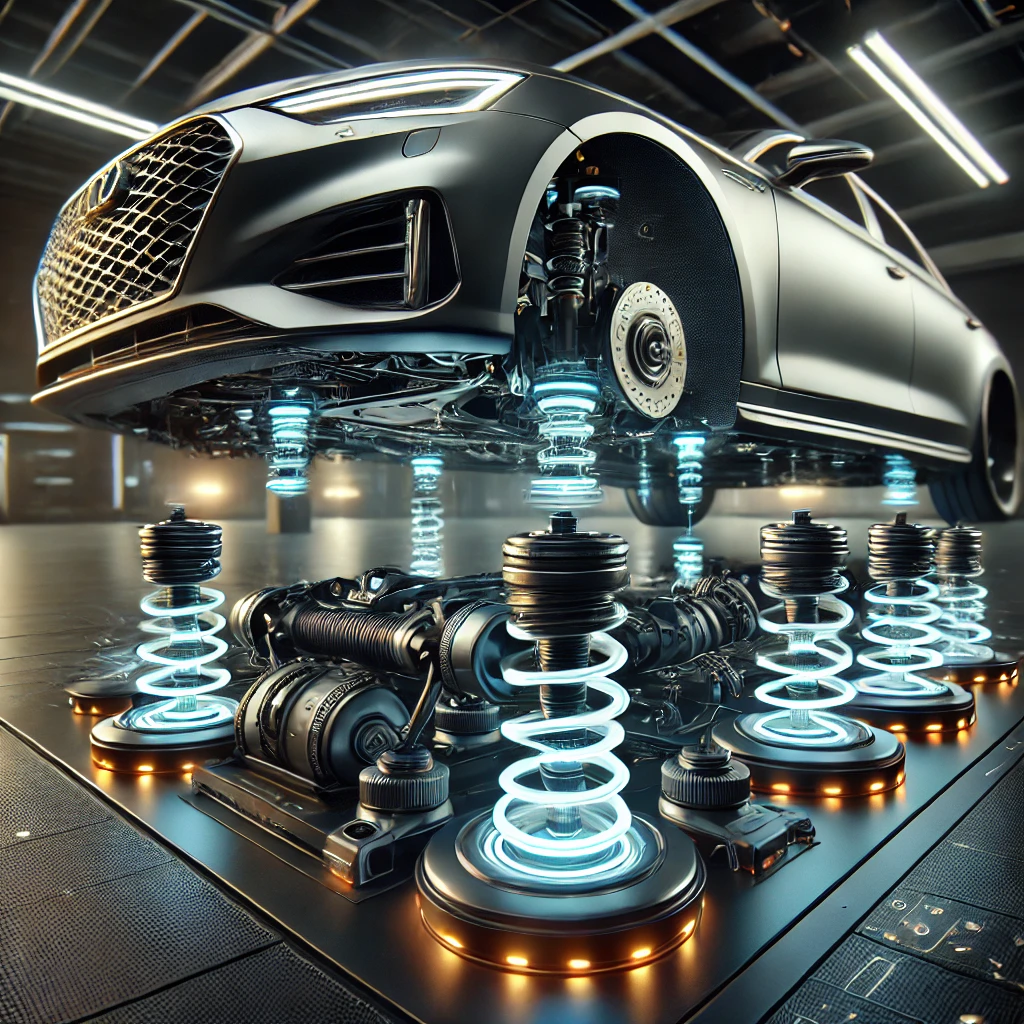
What Are Dynamic Air Suspension Systems?
Dynamic air suspension systems are advanced setups that use air springs instead of traditional steel springs. These systems rely on sensors, onboard computers, and air compressors to make real-time adjustments based on road conditions, vehicle speed, and passenger preferences.
For example, when the car detects uneven terrain, the system can automatically increase ride height for better clearance and cushioning. On smooth roads, it lowers the vehicle for improved aerodynamics and fuel efficiency. These seamless transitions create a driving experience tailored to both comfort and performance.
Many modern systems allow drivers to customize settings, switching between modes like sport, comfort, or off-road with the push of a button. This versatility makes dynamic air suspension an attractive feature for a wide range of drivers, from luxury car enthusiasts to adventurers seeking rugged terrains.
The US Perspective: Luxury and Versatility
In the United States, dynamic air suspension systems are becoming a hallmark of luxury and versatility. American automakers like Tesla, Lincoln, and Cadillac have integrated this technology into their vehicles to meet the demands of consumers who prioritize premium comfort and advanced features.
For many US drivers, road trips and long commutes are a way of life. Dynamic air suspension systems enhance these experiences by ensuring a smooth and controlled ride, regardless of the terrain. They’re particularly popular in SUVs and electric vehicles, where performance and adaptability are key selling points.
Off-road enthusiasts in the US also benefit from this technology. Vehicles like the Jeep Grand Wagoneer and Rivian R1T use dynamic air suspension to navigate challenging landscapes while maintaining optimal control. By raising the ride height, these systems allow adventurers to tackle rocky trails with ease, while still delivering a comfortable drive on highways.
Europe’s Take: Precision and Efficiency
Europe’s adoption of dynamic air suspension systems is shaped by its focus on precision engineering and sustainability. European automakers such as Audi, Mercedes-Benz, and BMW are at the forefront of this technology, integrating it into their luxury sedans, crossovers, and electric vehicles.
In Europe, where city driving and tight corners are more common, dynamic air suspension systems excel in providing precise handling and improved agility. For instance, lowering the ride height at higher speeds not only enhances stability but also improves fuel efficiency, a priority for eco-conscious European drivers.
Dynamic air suspension also plays a key role in supporting Europe’s push toward electric mobility. By optimizing aerodynamics and managing weight distribution, these systems enhance the range and efficiency of electric vehicles. This makes them a valuable addition for automakers committed to sustainability and reducing emissions.
Why Dynamic Air Suspension Matters
Dynamic air suspension systems go beyond comfort—they offer tangible benefits in safety, performance, and efficiency. By adapting to road conditions in real time, these systems improve handling and stability, reducing the risk of accidents. For families and long-distance drivers, this added layer of safety is invaluable.
From an environmental perspective, the ability to lower ride height for better aerodynamics translates to reduced fuel consumption and emissions. This makes dynamic air suspension a smart choice for drivers looking to minimize their environmental impact without sacrificing performance.
For luxury car owners, the customizable settings and seamless transitions between modes make every journey feel bespoke. Whether you’re navigating busy city streets or enjoying a countryside drive, the car adjusts itself to provide the perfect ride.
Challenges and the Road Ahead
While the benefits of dynamic air suspension are undeniable, challenges remain. In the US, the technology is primarily found in high-end vehicles, making it less accessible to budget-conscious buyers. In Europe, integrating these systems into smaller, affordable cars while maintaining efficiency and affordability is a key focus for automakers.
As the technology matures, advancements in materials and manufacturing processes are expected to bring costs down, making dynamic air suspension systems more widely available. With continued innovation, these systems are poised to become a standard feature in the vehicles of tomorrow.
A Smooth Ride into the Future
Dynamic air suspension systems are more than just a trend—they’re a glimpse into the future of driving. In the US, they offer the versatility to handle diverse terrains and long commutes with ease. In Europe, they combine precision and sustainability to create a driving experience that’s as efficient as it is luxurious.
As automakers continue to refine and expand the use of this technology, drivers around the world can look forward to a smoother, safer, and more enjoyable journey. With dynamic air suspension, every road feels like a well-paved highway, no matter where it leads.