In 2025, as cars across the US and Europe become more intelligent and connected, the complexity behind their internal systems continues to grow. Software-defined vehicles now depend on a mix of advanced computing, sensors, and wiring that can seem more complicated than ever. To simplify this situation, many automakers are turning to something called zonal architecture. This approach promises to streamline the way vehicles handle their electronic components, reduce complexity, and pave the way for smoother upgrades and improved performance.
Understanding the Move to Zones
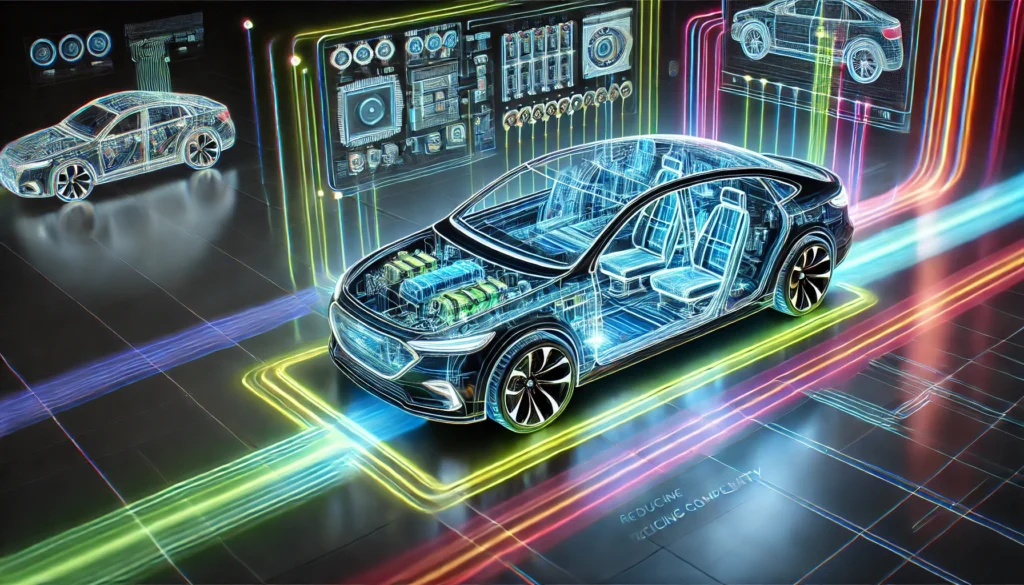
For decades, cars were wired by function. This meant every device and component had its own dedicated wiring path, often stretching from one end of the car to the other. The result was a tangled, heavy, and expensive web of cables. Now imagine grouping these components based on their physical location in the car, rather than their individual roles. By dividing the car’s interior into zones, each section of the vehicle can house its relevant components, sensors, and computers with far fewer wires.
In this zonal architecture model, each zone has its own controller and communication hub, allowing data to flow efficiently within and between zones. This modern design is easier to manage, more cost-effective, and simpler to upgrade as new features and technology become available. It also makes the process of repairing or replacing parts more straightforward, which can be a relief for both owners and service technicians in the US and Europe.
Reducing Weight and Complexity
With zonal architectures, the most immediate benefit is a significant reduction in wiring. Less wiring means reduced weight, which contributes to better efficiency. When cars are lighter, they consume less energy, whether powered by electricity or traditional fuels. This efficiency is not just good news for drivers who care about saving money; it also helps meet increasingly strict environmental standards in both the US and Europe.
Reducing complexity also allows engineers to focus on optimizing each zone. Instead of worrying about long wiring routes and cross-vehicle connections, they can concentrate on refining software, sensors, and computing units that serve that particular area of the car. The result is a more elegant and refined design that enhances reliability while decreasing the likelihood of wiring-related failures.
Simplifying Software Updates
Software-defined vehicles rely on regular updates to stay current. From improving infotainment systems to enhancing safety features, these over-the-air updates are becoming a standard expectation. Zonal architectures make these software upgrades more manageable because each zone has its own dedicated controller. When an update is rolled out, it can be targeted to the specific zone it affects, rather than being applied to the entire vehicle’s system all at once.
This means faster, more efficient updates that keep cars at the cutting edge of innovation. European drivers navigating busy city streets or American families embarking on long road trips can have confidence that their vehicles will remain fresh and responsive, just like their smartphones or smart home devices.
Supporting Next-Generation Features
As the industry pushes toward autonomous driving, higher connectivity, and seamless integration with devices and digital services, zonal architectures provide a solid foundation. They allow for easier implementation of advanced features like driver assistance systems, voice-activated controls, and more sophisticated infotainment platforms. Engineers and developers can roll out these new functionalities without being hindered by the limitations of old wiring schemes.
In both Europe and the US, as governments and consumers demand cleaner, safer, and more efficient transportation, this adaptability becomes crucial. When new requirements, regulations, or technologies emerge, the vehicle’s zonal architecture will make it simpler to adopt new innovations without rebuilding the entire car’s infrastructure.
Enhancing Collaboration and Adaptability
Zonal architectures also encourage collaboration among different partners in the automotive ecosystem. Automakers, software developers, and component suppliers can work together more efficiently when each zone is treated as its own module. This modular approach helps automakers tailor their cars to different markets and preferences. For example, features that appeal to European city-dwellers, such as advanced parking assistance, can be integrated smoothly, while American drivers who prioritize infotainment and connectivity can enjoy enhancements tailored to their needs.
This approach strengthens the automotive industry’s ability to adapt to changing trends. As sustainability requirements evolve and consumer expectations shift, zonal architectures provide a future-proofing strategy. The car’s design is no longer locked in place by complicated wiring systems. Instead, it’s ready to embrace whatever comes next, whether that’s improved autonomous capabilities, enhanced safety features, or entirely new forms of in-car entertainment.
A Look Forward
In 2025, the idea of zonal architecture may still sound new to many drivers, but it’s quickly gaining traction as the industry standard. With simpler wiring, better software management, and improved adaptability, zonal architectures promise a future where cars are easier to maintain, cheaper to build, and better at evolving alongside the world’s changing demands.
From the highways of California to the winding streets of Berlin, vehicles designed with zonal architectures are poised to deliver a cleaner, smarter, and more dynamic driving experience. Whether you’re seeking efficiency, comfort, or cutting-edge features, this approach represents a significant step forward in reducing complexity and unlocking the true potential of software-defined vehicles.