The automotive industry in the US and Europe is entering a new pricing era. For decades, customers paid upfront for hardware, trim levels, or optional packages, regardless of how often they used them. Today, as vehicles become connected, software-driven machines, a different concept is gaining traction: outcome-based pricing. Instead of charging for features, automakers are exploring models that charge for measurable results such as improved safety, higher uptime, or verified energy savings.
This shift reflects broader changes in consumer expectations. Across industries, customers increasingly want to pay for value delivered, not just for access. In automotive, this means aligning pricing with performance. When drivers see direct benefits and can measure them, they feel more confident about what they are paying for. For OEMs operating in competitive US and EU markets, outcome-based pricing could become a powerful differentiator.
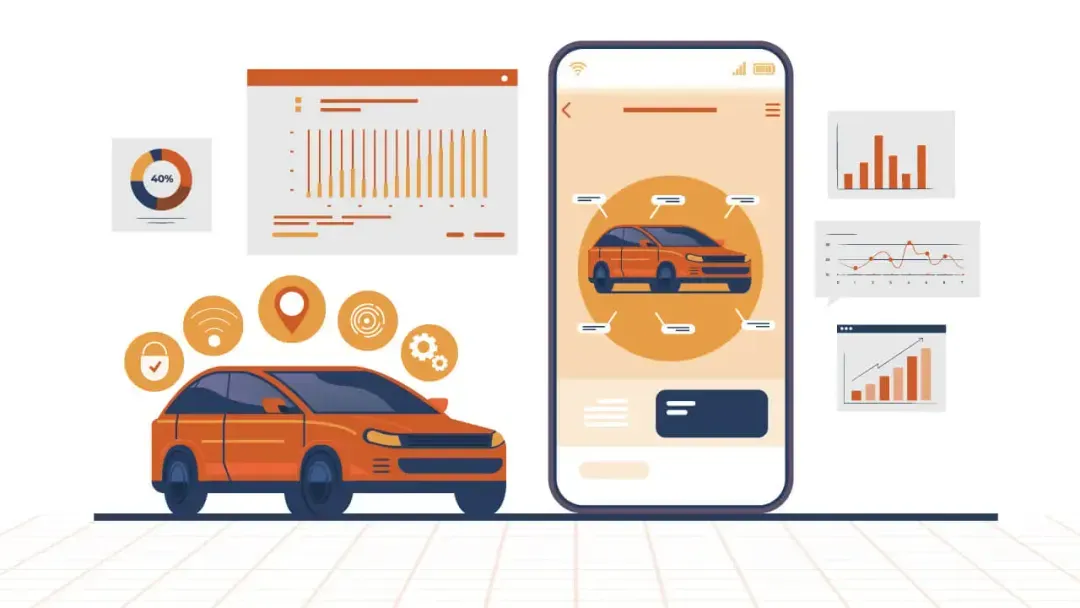
Charging for Safety: Turning Protection Into Performance
Safety is one of the strongest emotional drivers in car purchasing decisions. Advanced driver assistance systems, automatic emergency braking, and predictive collision alerts are now common in both American and European vehicles. Traditionally, buyers paid a fixed price for these features, whether or not they ever intervened. Outcome-based models introduce a new logic by linking cost to measurable safety impact.
Imagine a pricing structure where drivers pay based on the number of successful safety interventions or on verified reductions in risk exposure. With connected vehicle data, it is possible to track near-miss avoidance, emergency braking activations, and lane correction events. When customers see real evidence that a system has helped prevent potential incidents, the value becomes tangible rather than theoretical.
This approach also opens doors to insurance partnerships. In the US market especially, insurers are already using telematics to adjust premiums based on driving behavior. If OEM safety systems demonstrably reduce risk, outcome-based pricing could align with lower insurance costs. European markets, where safety regulations are stringent, may also see strong consumer acceptance when pricing is tied to clear, verified protection outcomes.
Paying for Uptime Instead of Just Maintenance
For commercial fleets and mobility providers, uptime is everything. Every hour a vehicle sits in a workshop represents lost revenue. Traditionally, fleets purchase maintenance contracts or service plans that charge fixed fees regardless of performance. Outcome-based pricing flips this model by linking payments to availability and operational continuity.
With predictive diagnostics and real-time monitoring, connected vehicles can detect issues before they lead to breakdowns. OEMs can then structure agreements that reward uptime rather than routine service visits. Fleet customers would pay based on performance benchmarks such as vehicle availability rates or reduction in unexpected downtime.
In both the US and EU, where logistics and delivery networks are expanding rapidly, this model is particularly attractive. Fleet managers gain financial predictability tied to results, while OEMs are incentivized to improve reliability and proactive service capabilities. The relationship becomes performance-driven instead of transactional, strengthening long-term partnerships.
Energy Savings as a Measurable Outcome
The rise of electric vehicles has introduced a new dimension to automotive economics. Energy efficiency is no longer just about miles per gallon but about kilowatt-hour optimization and charging costs. Outcome-based pricing can link service fees directly to verified energy savings achieved through smart routing, optimized charging schedules, or driver behavior analytics.
For example, a connected service could analyze driving patterns and recommend adjustments that reduce energy consumption. Instead of charging a flat subscription fee, the provider could take a percentage of the verified savings. This makes the model feel fair and results-oriented, especially in Europe where energy costs can fluctuate significantly.
In the US market, where EV adoption continues to accelerate, drivers are highly sensitive to charging expenses and range efficiency. When customers see measurable reductions in energy costs, paying for the optimization service feels logical. The key is transparent reporting that clearly shows how savings are calculated and attributed.
Building Trust Through Transparency
Outcome-based pricing depends entirely on trust. Customers must understand how outcomes are measured, how data is collected, and how charges are calculated. Without clear communication, even the most innovative pricing model can generate skepticism. Transparency is particularly important in Europe, where data protection regulations demand explicit consent and responsible data handling.
OEMs must provide dashboards or mobile interfaces that show drivers real-time performance metrics. If a customer is paying for safety outcomes, they should see how many times a system intervened. If they are paying for energy optimization, they should see exact savings figures. Clear, easy-to-understand reporting reduces confusion and builds confidence in the model.
Fair pricing thresholds are equally important. Customers need predictable cost structures even within outcome-based systems. Caps, clear formulas, and opt-in agreements prevent unexpected bills and reinforce the perception of fairness. In both US and EU markets, predictable billing remains a cornerstone of customer satisfaction.
The Competitive Advantage of Paying for Results
As vehicles become smarter and more connected, outcome-based pricing has the potential to redefine automotive value. It shifts the focus from selling hardware to delivering measurable performance improvements. For consumers, this means paying for benefits that directly impact their daily lives. For fleets, it means aligning operational costs with real-world results.
In highly competitive US and European markets, differentiation increasingly depends on experience rather than just engineering. Brands that successfully implement pay-for-outcome models can position themselves as performance partners rather than product vendors. This strengthens loyalty and opens new revenue streams beyond the initial vehicle sale.
Ultimately, outcome-based pricing is about alignment. When automakers succeed only if customers experience real safety improvements, higher uptime, or genuine energy savings, incentives are shared. That alignment builds trust, encourages innovation, and reflects the evolving expectations of modern drivers. As the industry moves further into the software-defined era, charging for outcomes rather than options may become the most customer-centric strategy yet.