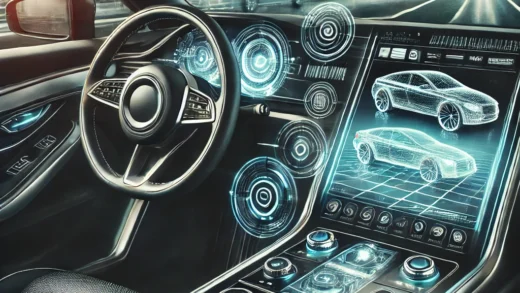
The automotive industry in the US and Europe is undergoing a profound digital shift. Vehicles are no longer static products that remain unchanged after leaving the showroom. Instead, they are evolving platforms powered by software, connectivity, and over-the-air updates. As this transformation accelerates, OEMs are borrowing strategies from the tech world, especially from successful mobile apps and streaming platforms. One of the most powerful ideas they are adopting is the feature trial model.
In the app economy, free trials have long been a growth engine. They reduce hesitation, build habits, and convert curious users into paying customers. Now, automakers are applying the same logic to premium in-car features. Instead of asking drivers to pay upfront for advanced driver assistance, enhanced navigation, or premium connectivity, manufacturers are offering limited-time access. This “try before you buy” approach is quickly becoming one of the smartest growth loops in the connected car era.

What Feature Trials Look Like in 2026
Feature trials in 2026 are no longer simple promotional tactics. In both US and EU markets, they are structured parts of the ownership journey. A driver might receive three months of enhanced highway assistance after purchase, a seasonal trial of premium navigation during summer travel, or temporary access to performance upgrades in an electric vehicle. These trials are seamlessly activated through digital dashboards or mobile apps, making the experience feel modern and intuitive.
The goal is not just exposure but engagement. During the trial period, drivers experience the real-world impact of the feature in their daily routines. Adaptive cruise control reduces fatigue during long commutes. Advanced parking assistance eases tight urban spaces. Premium audio enhances road trips. By embedding the feature into everyday life, OEMs create familiarity and dependence, just as apps do with premium tools and services.
Importantly, these trials are powered by software-defined vehicle architectures. Over-the-air updates allow manufacturers to activate and deactivate features remotely without hardware changes. This flexibility makes the growth loop possible, turning vehicles into evolving digital ecosystems rather than fixed machines.
The Growth Loop: From Trial to Habit to Revenue
In the tech world, growth loops are built on repeated engagement. A user tries a feature, finds value, forms a habit, and eventually pays to keep it. Automotive OEMs are replicating this formula. When drivers activate a trial and repeatedly use a feature, they begin to perceive it as part of the standard driving experience. Removing it after the trial period creates a noticeable gap, increasing the likelihood of conversion.
This model is especially effective for safety and convenience features. In the US market, long-distance driving and highway commuting make advanced driver assistance trials highly impactful. In European cities, parking assistance and real-time traffic updates resonate strongly. By tailoring trials to regional driving behaviors, OEMs increase relevance and adoption.
The loop does not end with conversion. Usage data collected during trials helps manufacturers refine pricing tiers and personalize offers. If a driver frequently engages a feature, targeted reminders near the trial’s end can highlight how often it was used. This subtle reinforcement mirrors app notifications that encourage subscription upgrades without feeling overly aggressive.
Why Drivers Actually Benefit
From the customer perspective, feature trials remove uncertainty. Instead of paying for something based on marketing language alone, drivers experience its value firsthand. This builds confidence and reduces the fear of wasting money. In markets like Germany, France, the UK, and the United States, where buyers are increasingly tech-savvy, this transparency is appreciated.
Trials also democratize access to premium features. A driver who chooses a mid-level trim can still experience high-end functionality temporarily. This exposure broadens awareness of what the vehicle is capable of and may influence future purchase decisions. In some cases, it even strengthens brand loyalty when customers feel they are being invited into a premium ecosystem.
There is also a psychological advantage. Paying for something after trying it feels more voluntary and fair than being forced to commit upfront. When executed ethically and transparently, trials reduce friction in the sales journey and enhance customer satisfaction rather than creating resentment.
The Risks OEMs Must Avoid
While feature trials are powerful, they can easily backfire if mismanaged. Automatic renewals without clear consent, hidden pricing details, or abrupt deactivation of widely used features can trigger backlash. Consumers in both the US and EU are quick to voice dissatisfaction online, and negative sentiment spreads rapidly.
Communication is critical. Drivers must clearly understand trial duration, post-trial pricing, and how to opt in or out. Transparency builds trust, while ambiguity erodes it. OEMs should avoid placing essential safety functions behind temporary access walls, as this creates ethical and reputational concerns.
Pricing strategy also matters. If the subscription cost feels disproportionate to the perceived benefit, drivers may disengage entirely. Competitive benchmarking and customer feedback loops are essential to ensure pricing tiers feel balanced and reasonable.
The Future of Feature Trials in Connected Cars
As vehicles continue to evolve into connected digital platforms, feature trials will likely become standard practice across the US and EU automotive landscape. They align perfectly with the shift toward software-defined vehicles and recurring revenue models. More importantly, they reflect how modern consumers prefer to evaluate value through experience rather than promises.
In 2026 and beyond, successful OEMs will treat trials as relationship-building tools rather than short-term sales tactics. By designing clear growth loops, tailoring trials to real driving needs, and maintaining transparent pricing structures, brands can turn temporary access into long-term loyalty.
Feature trials are not just about revenue. They are about trust, engagement, and modernizing the ownership experience. When done right, they feel less like a marketing strategy and more like a service upgrade. And in today’s competitive automotive-tech landscape, that distinction makes all the difference.