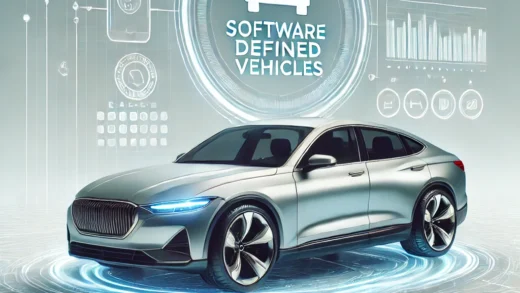
Connected vehicles are rapidly transforming the automotive industry across the US and Europe. Today’s cars are equipped with powerful infotainment systems, cloud connectivity, advanced voice recognition, and embedded artificial intelligence. This has opened the door to a new opportunity known as in-car AI concierge commerce. Instead of pulling over to search on a phone or tapping through apps while stopped in traffic, drivers can now use voice commands to complete useful everyday transactions. The key difference is that these systems are designed with safety at their core. They allow commerce to happen in the background while the driver remains focused on the road.
Automakers understand that modern drivers want convenience, but not at the cost of safety. With stricter regulations in the EU and growing awareness of distracted driving laws in the US, vehicle manufacturers are prioritizing solutions that reduce screen interaction. AI concierge commerce bridges that gap by offering voice-first, hands-free services. This makes it possible to handle real-life tasks without adding cognitive overload. The goal is simple: enable useful services without distracting drivers.
What Exactly Is an In-Car AI Concierge?
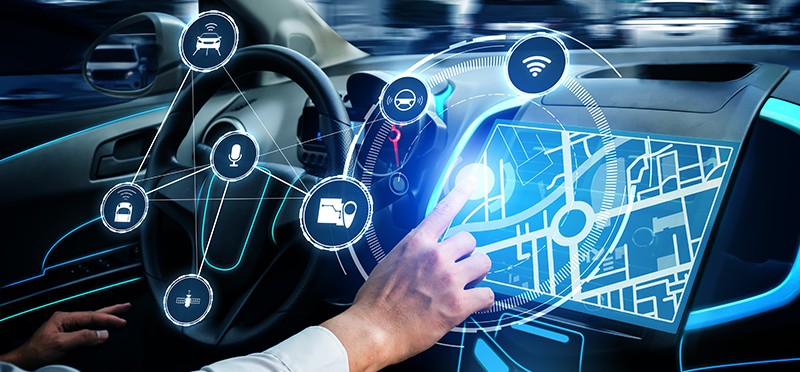
An in-car AI concierge is essentially a voice-powered digital assistant built directly into the vehicle’s operating system. Unlike smartphone assistants, these systems are optimized for automotive environments and driving conditions. They understand natural speech, interpret intent, and respond quickly with minimal back-and-forth interaction. The assistant can recommend services, complete transactions, and even confirm payments through secure connected accounts. Everything is designed to feel seamless and effortless.
In the US and EU markets, consumers are already comfortable with voice assistants at home. Bringing this experience into the vehicle feels like a natural extension of that lifestyle. The AI concierge can connect to navigation systems, payment platforms, and partner businesses. It works quietly in the background while maintaining driver focus. Instead of browsing menus, drivers simply speak and confirm.
Commerce Use Cases That Truly Make Sense on the Road
The most practical applications are those that align with natural driving moments. Food ordering is one of the strongest examples. A driver on their way home can ask the system to suggest nearby restaurants along their route and place a pickup order without touching a screen. The assistant then guides them directly to the location at the right time. This eliminates the need to scroll through apps or type addresses manually.
Another important use case is parking and EV charging. In dense European cities and busy US downtown areas, finding parking can be stressful. An AI concierge can locate available parking spaces, reserve them, and process payments instantly. For electric vehicle drivers, the system can identify compatible charging stations, check availability, and even initiate payment. These are real-world services that improve convenience without increasing distraction.
Personalization Makes the Experience Smarter
What makes AI concierge commerce powerful is personalization. Over time, the system learns preferences such as favorite coffee shops, typical commute times, or frequently visited destinations. This allows it to offer relevant suggestions without being intrusive. For example, if a driver regularly stops for fuel on Fridays, the assistant may proactively suggest nearby stations when the tank runs low. These contextual recommendations reduce decision fatigue while keeping interactions brief.
In both US and EU markets, data privacy remains a major priority. Automakers and technology providers must comply with regulations such as GDPR in Europe and strict consumer protection laws in the US. Successful AI concierge platforms balance personalization with transparency and user control. When done correctly, personalization enhances convenience without compromising trust.
Revenue Opportunities for Automakers and Partners
Beyond convenience, AI concierge commerce opens significant revenue potential. Automakers can partner with restaurants, parking providers, charging networks, and retail brands to create integrated ecosystems. Each completed transaction can generate commission-based income while also strengthening brand loyalty. Instead of relying solely on vehicle sales, manufacturers can build recurring digital revenue streams.
For mobility service providers and fleet operators, the benefits are equally compelling. Integrated commerce services improve user satisfaction and create additional engagement touchpoints. In highly competitive US and European markets, digital services are becoming a key differentiator. Vehicles are no longer judged only by horsepower or design but also by the quality of their connected experiences.
Safety Remains the Top Priority
Despite the excitement around in-car commerce, safety must remain non-negotiable. The design philosophy behind AI concierge systems is voice-first interaction with minimal visual dependency. Confirmations are short and clear, and complex transactions are simplified into quick voice exchanges. Many systems are programmed to limit certain interactions while the vehicle is moving at high speeds.
Regulators and safety organizations closely monitor in-vehicle technology. Automakers must ensure that commerce features comply with driver attention standards and human-machine interface guidelines. When implemented correctly, AI concierge commerce can actually reduce distraction by removing the temptation to use smartphones. This shift from handheld devices to integrated voice systems represents a meaningful safety improvement.
The Future of Commerce on the Move
As vehicles become more advanced, especially with the growth of driver assistance systems and future autonomous capabilities, in-car commerce will continue to evolve. In partially automated driving scenarios, passengers may take on more interactive roles, expanding commerce possibilities even further. The car could become a digital lifestyle hub rather than just a transportation tool.
For now, the focus remains on practical, non-distracting services that genuinely improve daily driving. In-car AI concierge commerce is not about overwhelming drivers with advertisements or unnecessary prompts. It is about thoughtful, contextual assistance that saves time and reduces friction. In the US and EU automotive markets, this balance between innovation and safety will determine long-term success.
The future of automotive technology is intelligent, connected, and voice-driven. AI concierge commerce stands at the center of this transformation, delivering real value while keeping drivers safe and focused.