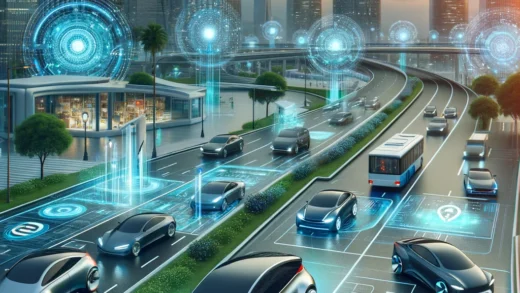
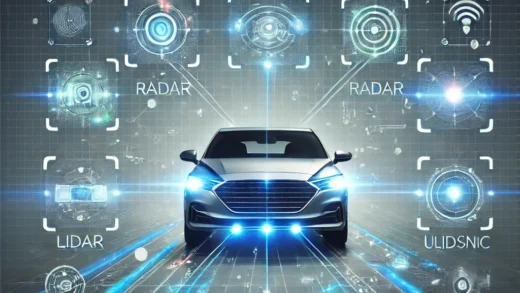
The automotive industry in the US and Europe is no longer driven by hardware alone. Vehicles have evolved into connected digital platforms powered by software, cloud services, and embedded artificial intelligence. As margins tighten and competition increases, OEMs are looking beyond traditional sales and financing models to unlock recurring revenue. One of the most promising opportunities lies in retail partnerships enabled by in-car AI systems. These partnerships are quietly reshaping affiliate economics and creating a new commercial layer inside the vehicle itself.
In the past, automakers focused heavily on vehicle performance, safety, and design as primary differentiators. Today, digital services and user experience play an equally critical role in purchase decisions. Consumers expect seamless connectivity, voice assistants, and personalized services integrated into their driving experience. This expectation creates a powerful opportunity for OEMs to collaborate with retail brands. By embedding commerce into in-car AI platforms, automakers can generate value long after the vehicle leaves the showroom.
Understanding Affiliate Economics in the Automotive Context
Affiliate economics traditionally refers to revenue-sharing models where a platform earns commission for driving customers to a retailer. In the online world, this has been common for years through search engines, social media, and influencer marketing. In the automotive world, the connected car is emerging as a highly contextual affiliate channel. Instead of generic digital ads, the vehicle can offer real-time, need-based suggestions that align with a driver’s journey.
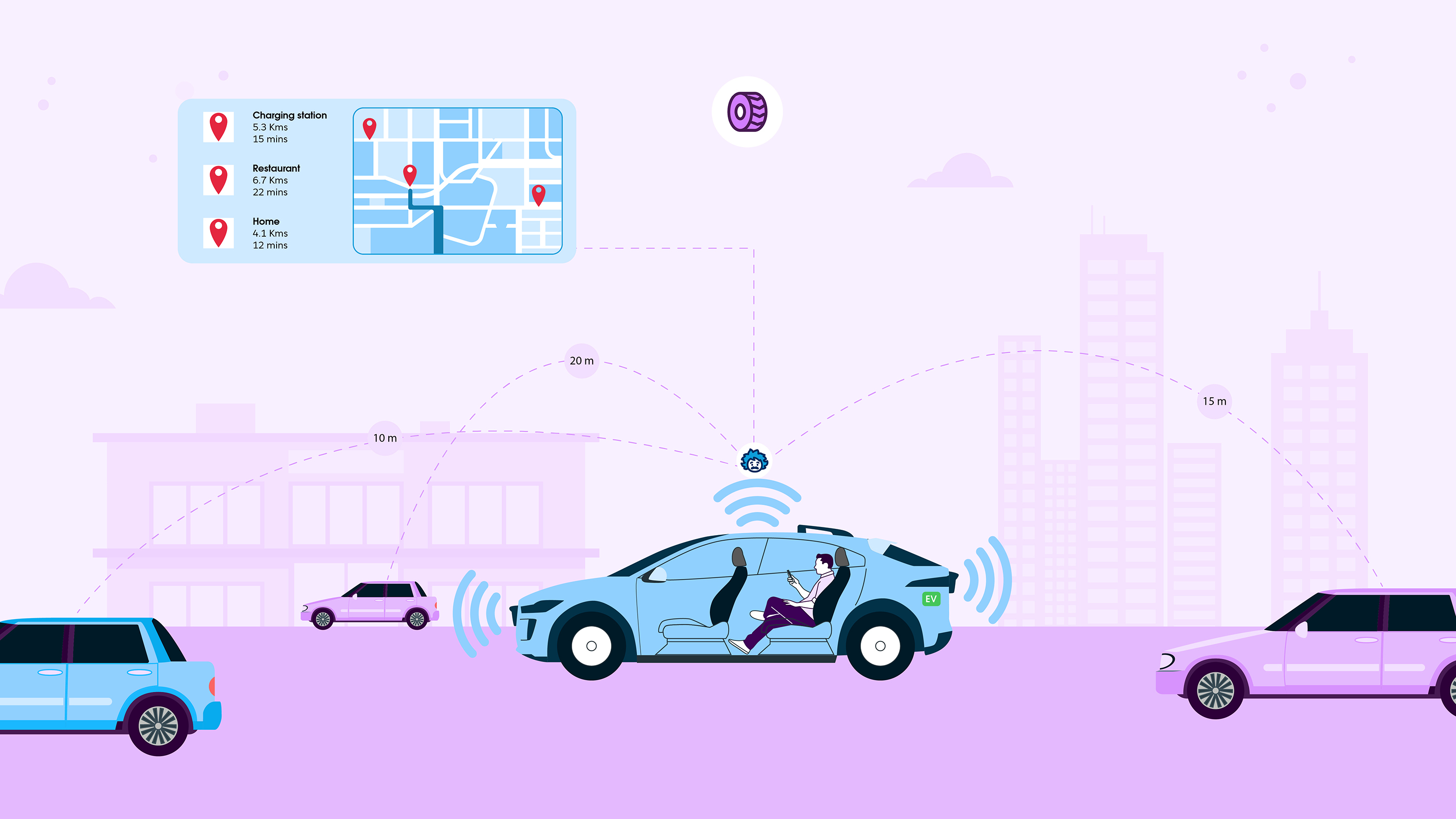
This shift fundamentally changes how value is created and shared. When an in-car AI assistant recommends a nearby restaurant, fuel station, parking garage, or EV charging provider, and the driver completes a transaction, the OEM can receive a performance-based fee. Retailers benefit from high-intent customers, while automakers unlock recurring digital revenue streams. Unlike traditional advertising, this model is built on relevance and timing, which significantly increases conversion potential.
Why In-Car AI Changes the Game
In-car AI brings a level of contextual awareness that smartphones or websites cannot match. The vehicle understands route data, estimated arrival times, driving patterns, and sometimes even driver preferences. This allows it to present highly relevant offers at exactly the right moment. A commuter approaching lunchtime can receive a dining suggestion along their route. An EV driver nearing low battery range can be guided to a partner charging station with transparent pricing.
This contextual intelligence improves the effectiveness of affiliate partnerships. Retailers are not simply paying for impressions; they are paying for access to real-time consumer intent. The in-car AI becomes a trusted digital concierge rather than an intrusive ad channel. In both the US and EU markets, where consumer experience strongly influences brand loyalty, this model enhances value for all parties involved.
Retailers See High-Intent Traffic
Retail brands are increasingly interested in in-car AI integration because it captures customers at decisive moments. A driver actively searching for fuel, food, or parking is much closer to making a purchase than someone casually browsing online. This high-intent engagement leads to stronger conversion rates and more measurable return on investment. Retailers can structure partnerships with OEMs around transaction-based commissions rather than flat advertising fees.
In European urban environments, where parking, charging, and congestion are daily challenges, in-car recommendations offer immediate practical value. In the US, long commutes and road trips create similar opportunities for dining, retail pickup, and service bookings. The vehicle effectively becomes a digital gateway to local commerce. Retailers gain exposure in a premium environment where trust and brand credibility are already established through the automaker.
OEMs Unlock Recurring Revenue Streams
For OEMs, affiliate partnerships powered by AI represent a major strategic advantage. Instead of relying solely on one-time vehicle sales, manufacturers can generate ongoing income through connected services. Every successful transaction facilitated by the in-car system contributes incremental revenue. Over time, as connected vehicle adoption grows across fleets, these micro-transactions can add up to meaningful financial impact.
This approach also strengthens customer relationships. When drivers experience genuine convenience through voice-enabled recommendations, they are more likely to engage with the brand’s ecosystem. The vehicle becomes part of their daily routine, not just a transportation tool. In competitive US and EU markets, where brand switching is common, digital ecosystem loyalty can significantly influence repeat purchases.
Privacy, Safety, and Consumer Trust
Despite the commercial opportunity, trust remains the foundation of sustainable partnerships. Drivers must feel confident that their data is protected and used responsibly. In Europe, strict GDPR regulations require clear consent and transparency. In the US, state-level privacy laws and consumer expectations are similarly demanding. OEMs must ensure that personalization enhances convenience without crossing ethical boundaries.
Safety is equally critical. In-car AI commerce must prioritize voice-first interaction and minimal screen distraction. Regulatory bodies in both regions closely monitor driver attention standards. Successful affiliate models depend on seamless, non-intrusive engagement that does not compromise road safety. When safety and privacy are handled correctly, consumer confidence strengthens the entire ecosystem.
The Future of OEM + Retail Collaboration
As vehicles become increasingly software-defined, the scale of affiliate partnerships will expand. Advanced AI systems may predict needs before drivers articulate them, offering proactive yet subtle recommendations. Integration with smart city infrastructure, mobility services, and digital payment platforms will further enrich the experience. OEMs that invest early in strong retail alliances will position themselves as leaders in automotive commerce.
The transformation of affiliate economics through in-car AI is not about turning cars into billboards. It is about delivering contextual value at the exact moment it is needed. In the US and EU automotive markets, where connected vehicle adoption continues to accelerate, this model represents a powerful convergence of technology, retail, and mobility. OEM and retail partnerships are entering a new era, and in-car AI is driving the change.