Road safety is evolving at an incredible pace, and one of the most impactful advancements in recent years is the integration of multi-sensor driver safety systems. These technologies use a combination of cameras, radar, LiDAR, ultrasonic sensors, and artificial intelligence to create a comprehensive safety net for drivers. In the US and Europe, where traffic safety remains a top priority, these systems are becoming standard in modern vehicles, making roads safer for everyone.
Understanding Multi-Sensor Systems
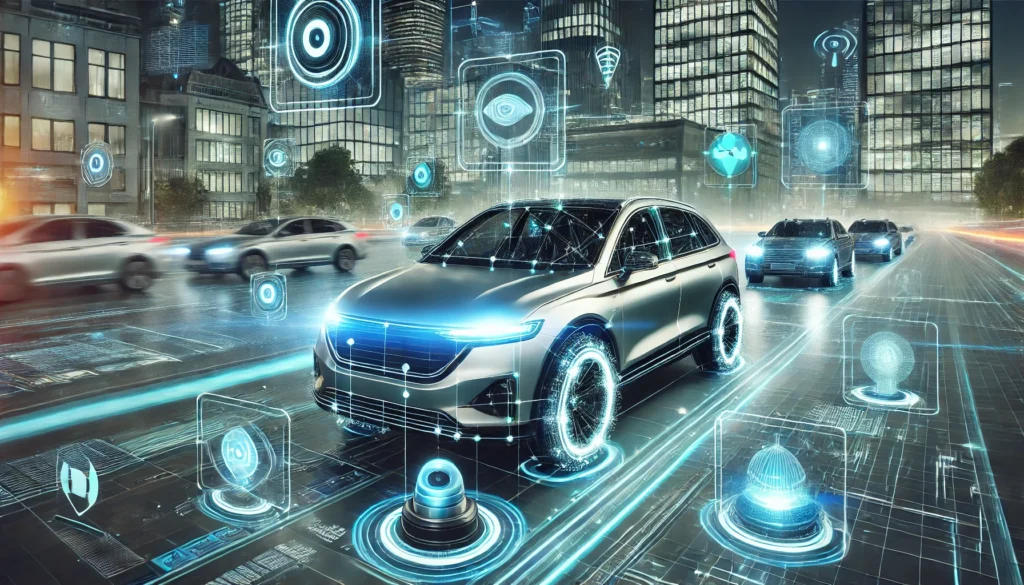
Multi-sensor driver safety systems combine inputs from different types of sensors to monitor the vehicle’s surroundings and driver behavior. Each type of sensor has unique strengths. Cameras capture visual information, radar detects objects in varying weather conditions, LiDAR provides precise 3D mapping, and ultrasonic sensors handle close-range detection. By merging data from these sources, the system creates a real-time picture of the environment, allowing it to identify potential hazards and react accordingly.
This fusion of sensor technologies forms the backbone of advanced driver-assistance systems (ADAS). Features like adaptive cruise control, automatic emergency braking, lane-keeping assist, and blind-spot monitoring all rely on the seamless interaction of these sensors to enhance safety and driver convenience.
Why Multi-Sensor Systems Are Essential
Driving conditions can change in an instant. Whether it’s a sudden pedestrian crossing, a vehicle in your blind spot, or unexpected debris on the road, drivers need split-second reactions to stay safe. Multi-sensor systems provide an additional layer of vigilance, acting as a co-pilot that never tires or gets distracted.
In urban areas across the US and Europe, where traffic congestion and pedestrian activity are high, these systems are particularly valuable. They can detect objects that human eyes might miss, such as cyclists in blind spots or approaching vehicles in low visibility. Similarly, in rural regions, where wildlife collisions are a common concern, radar and thermal imaging can alert drivers to animals on the road.
Key Features That Enhance Safety
One of the most remarkable features of multi-sensor systems is automatic emergency braking. When sensors detect an imminent collision, the system warns the driver and, if necessary, applies the brakes automatically to prevent or mitigate the impact. This feature has already proven to reduce accidents significantly and is becoming mandatory in many markets, including Europe.
Lane-keeping assist and lane-departure warnings are other critical features enabled by multi-sensor technology. Cameras track lane markings and alert drivers if they drift out of their lane without signaling. In some systems, the vehicle can even steer itself back into the correct lane, reducing the risk of side-swiping accidents.
Blind-spot monitoring is another lifesaver. By using radar and cameras, the system alerts drivers to vehicles or objects in their blind spots, making lane changes safer. Advanced versions can actively prevent a collision by steering the vehicle away from danger.
Parking assistance systems also benefit from multi-sensor technology. Ultrasonic sensors detect obstacles while cameras provide a clear view of the surroundings, enabling precise and stress-free parking. Some vehicles even offer automated parking, where the system takes control and parks the car for you.
The Role of AI in Multi-Sensor Systems
Artificial intelligence is the glue that binds multi-sensor systems together. AI algorithms process vast amounts of data from various sensors, analyze patterns, and make real-time decisions to enhance safety. For example, AI can distinguish between a stationary object and a moving hazard, prioritizing alerts accordingly. It can also adapt to different driving environments, learning from the driver’s behavior to provide personalized assistance.
In the future, AI-powered multi-sensor systems will play an even bigger role in autonomous driving. These systems will not only monitor the surroundings but also predict potential hazards and take proactive measures to ensure passenger safety.
Challenges and the Path Ahead
While multi-sensor systems have transformed vehicle safety, challenges remain. The cost of implementing these technologies can be high, making them less accessible in entry-level vehicles. Automakers are working to make these systems more affordable without compromising on quality, which will help expand their adoption.
Another challenge is ensuring that these systems perform reliably in all conditions, from heavy rain to snow and fog. Ongoing advancements in sensor technology and software are addressing these issues, making multi-sensor systems more robust.
Regulations in the US and Europe are also playing a role in driving adoption. Governments are mandating certain safety features, encouraging automakers to incorporate advanced systems as standard. This push not only benefits individual drivers but also enhances overall road safety.
Driving Toward a Safer Future
Multi-sensor driver safety systems represent a giant leap forward in automotive technology. By combining the strengths of various sensors and leveraging artificial intelligence, these systems provide an unmatched level of safety and convenience. Drivers in the US and Europe are already experiencing the benefits, from reduced accidents to greater peace of mind on the road.
As these systems continue to evolve and become more accessible, they will play an essential role in the transition to autonomous vehicles and smarter cities. For now, they are a powerful tool that ensures every journey is safer, smoother, and more enjoyable. With multi-sensor systems, the future of driving is not just more innovative—it’s undeniably safer.