The way we interact with technology in our daily lives is evolving rapidly, and the automotive world is no exception. Gesture control, a feature once reserved for futuristic sci-fi films, is now making its way into car interfaces. By enabling drivers to control key functions with simple hand movements, gesture control technology is redefining how we experience vehicles. This innovation is particularly gaining traction in the US and Europe, where automakers are competing to create safer, smarter, and more intuitive driving environments.
What Is Gesture Control in Cars?
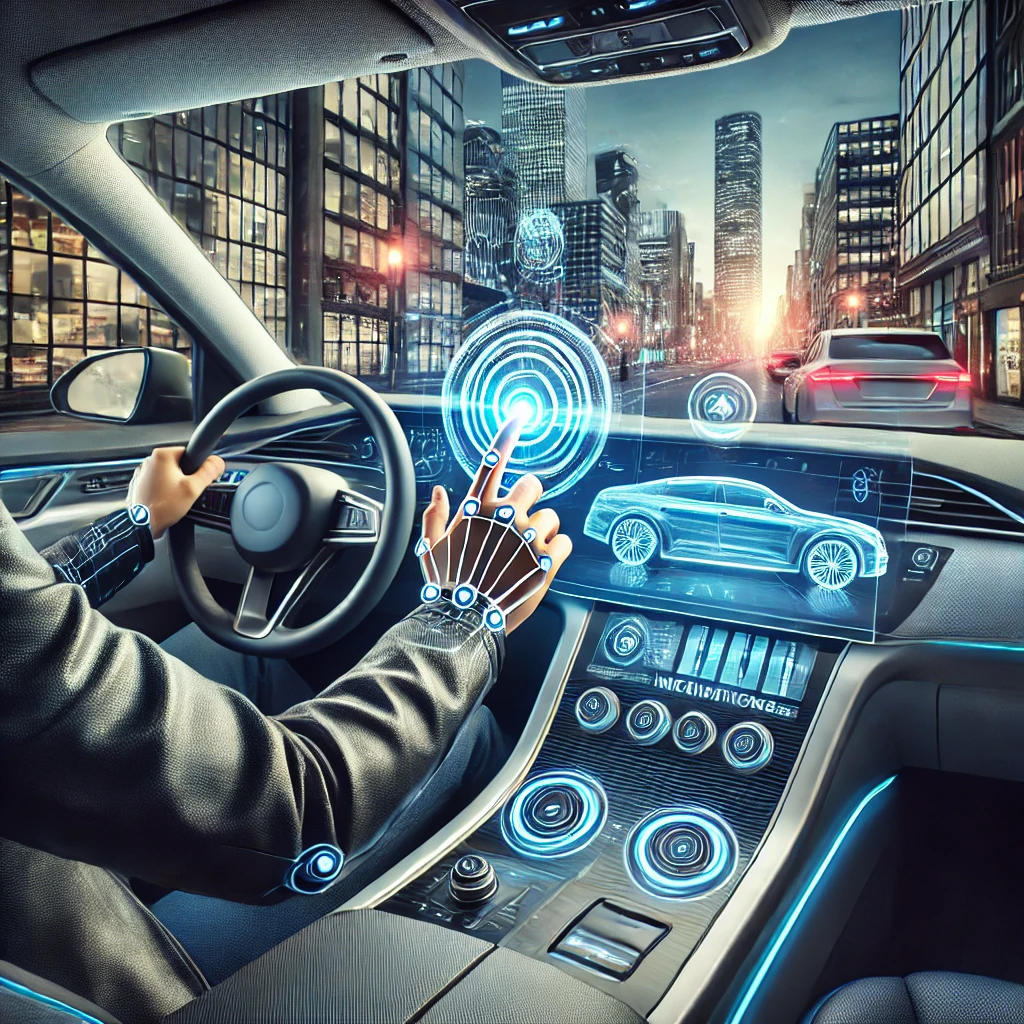
Gesture control technology allows drivers to interact with their vehicle’s infotainment and control systems using specific hand or finger movements. These gestures are detected by sensors, cameras, or radar-based systems that interpret the driver’s movements into commands. Whether it’s adjusting the volume, answering a phone call, or switching to a preferred navigation route, these gestures make the driving experience more seamless.
This hands-free interface reduces the need for physical buttons and touchscreens, allowing for a cleaner cabin design and fewer distractions. Gesture control is part of a broader trend toward making cars smarter and more user-friendly, as automakers work to enhance both safety and convenience.
Why Gesture Control Matters
Safety is one of the main drivers behind the adoption of gesture control technology. In the US and Europe, distracted driving remains a significant concern. By reducing the need to reach for physical controls or navigate touchscreen menus, gesture control helps drivers keep their hands on the wheel and eyes on the road. This feature is particularly valuable in busy urban settings or on high-speed highways, where quick, intuitive interactions can make a big difference.
Gesture control also aligns with the growing trend of personalization in vehicles. Modern drivers expect their cars to adapt to their needs, and gesture control offers an intuitive way to customize and manage the driving experience. From creating a more connected cabin to supporting autonomous features, this technology is shaping the next generation of automotive interfaces.
The Technology Behind Gesture Control
Gesture control systems rely on advanced sensors and cameras, often paired with artificial intelligence to ensure accurate recognition of hand movements. These systems are designed to work even in varying lighting conditions or when drivers are wearing gloves, making them versatile in both US and European climates.
Some vehicles use infrared cameras to track hand movements in real-time, while others rely on radar-based systems that can detect gestures without requiring a direct line of sight. Machine learning algorithms play a crucial role in improving the accuracy of gesture recognition over time, adapting to individual user behaviors.
Integration with other smart features, such as voice commands and haptic feedback, further enhances the experience. For instance, a gesture to change the radio station might be paired with a subtle vibration in the steering wheel to confirm the action, providing a multi-sensory interaction.
Automakers Leading the Way
Gesture control is no longer a concept limited to luxury brands. While premium automakers like BMW, Mercedes-Benz, and Audi have been pioneers in bringing this technology to market, mainstream manufacturers are also joining the race. BMW’s iDrive system, for example, offers gesture control for features like adjusting audio volume or accepting phone calls. Similarly, Volkswagen’s infotainment systems incorporate swipe gestures for navigating menus.
In the US, brands like Cadillac and Tesla are exploring ways to integrate gesture-based controls into their vehicles, focusing on creating systems that feel intuitive for drivers. European automakers, on the other hand, are emphasizing precision and ergonomics, ensuring that gestures are natural and easy to perform.
Challenges and Future Potential
While gesture control offers numerous benefits, it’s not without its challenges. One of the main hurdles is ensuring consistent accuracy. A gesture system that misinterprets commands or fails to recognize movements can frustrate users, detracting from the overall experience. Automakers are investing in AI and sensor technology to refine these systems and eliminate errors.
Another challenge is user adoption. Some drivers may prefer traditional controls or voice commands over learning a new interface. To address this, automakers are designing gesture controls as an optional feature, allowing users to choose their preferred interaction method.
The future of gesture control looks bright, with new advancements on the horizon. Emerging technologies, such as 3D gesture tracking and holographic interfaces, could make these systems even more intuitive and immersive. Combined with the rise of autonomous driving, gesture control has the potential to transform how drivers and passengers interact with cars.
Driving Into a Hands-Free Future
Gesture control in car interfaces is more than a tech trend—it’s a step toward creating safer, more connected vehicles. For drivers in the US and Europe, this technology offers a glimpse of a future where interacting with a car is as natural as waving your hand. As automakers continue to innovate and refine gesture recognition systems, we can expect this feature to become a standard part of the modern driving experience.
From enhancing safety to making cars smarter and more intuitive, gesture control is paving the way for a new era of mobility. It’s a small movement with a big impact, and it’s just getting started.