

The automotive industry is undergoing a transformation, and sustainability is at the heart of it. As consumers in the US and Europe increasingly prioritize eco-friendly products, automakers are adopting circular economy practices to minimize waste, reduce carbon footprints, and create a more sustainable future. This innovative approach to manufacturing is reshaping how cars are designed, produced, and recycled, paving the way for a greener automotive industry.
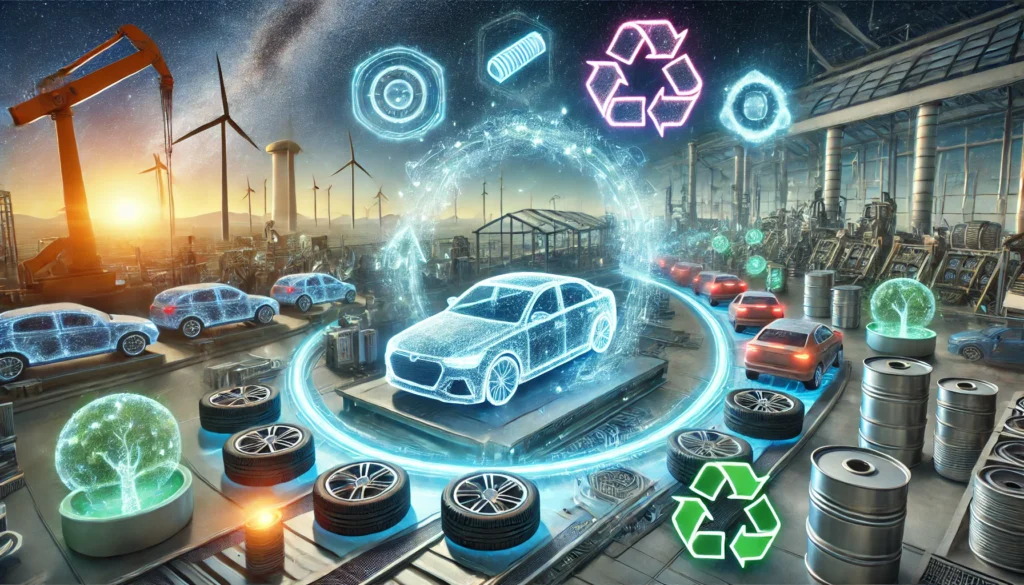
What Is the Circular Economy?
A circular economy is a system that focuses on reducing waste and keeping materials in use for as long as possible. Unlike the traditional linear model of “take, make, dispose,” a circular economy emphasizes recycling, reusing, and refurbishing materials. In automotive manufacturing, this means designing cars with sustainability in mind, using recycled materials, and ensuring that vehicles and their components can be repurposed at the end of their life cycle.
By implementing circular economy practices, automakers can conserve natural resources, lower energy consumption, and reduce emissions. This approach benefits not only the environment but also consumers and businesses, creating a more efficient and resilient industry.
Sustainable Materials in Car Manufacturing
One of the key aspects of a circular economy in automotive manufacturing is the use of sustainable materials. Many automakers are now incorporating recycled or renewable materials into their vehicles. For example, plastics from discarded water bottles are being repurposed into car interiors, and recycled metals are being used for vehicle frames and components.
Natural materials, such as hemp, flax, and bamboo, are also being used to create lightweight and durable parts. These materials not only reduce the environmental impact of production but also improve fuel efficiency by making vehicles lighter.
Luxury brands in Europe are leading the charge, introducing eco-friendly materials like vegan leather and recycled textiles in their cars. In the US, automakers are also exploring alternatives to traditional materials, reflecting a growing commitment to sustainability across the industry.
Reducing Waste Through Smart Design
Designing cars for longevity and recyclability is another cornerstone of circular economy practices. Automakers are creating modular designs that allow for easier repair and replacement of parts, extending the lifespan of vehicles. By designing components that can be disassembled and reused, manufacturers are reducing the amount of waste sent to landfills.
Digital tools, such as 3D printing and AI-powered design software, are also playing a role in minimizing waste during production. These technologies enable automakers to optimize material use and reduce excess, ensuring that every resource is used efficiently.
Recycling and Remanufacturing
Recycling is a critical part of the circular economy in automotive manufacturing. Many companies have established programs to recycle end-of-life vehicles, extracting valuable materials like steel, aluminum, and copper for reuse. Tires, batteries, and glass are also being repurposed, reducing the need for virgin materials and lowering environmental impact.
Battery recycling, in particular, has become a major focus as the demand for electric vehicles (EVs) grows. In Europe, automakers are partnering with recycling firms to recover rare and precious metals from EV batteries, ensuring that these valuable resources are not wasted. In the US, similar initiatives are gaining traction, supported by government policies encouraging battery recycling.
Remanufacturing is another innovative practice gaining popularity. Instead of discarding worn-out parts, automakers are refurbishing them to meet the same standards as new components. This process saves energy, reduces waste, and provides cost-effective options for consumers.
Collaboration and Industry Impact
The shift toward a circular economy is not something automakers can achieve alone. Collaboration across the supply chain is essential to create a truly sustainable system. In Europe, automakers, suppliers, and policymakers are working together to set industry standards and promote the adoption of circular practices. In the US, similar collaborations are emerging, driven by consumer demand and regulatory incentives.
The impact of these efforts extends beyond environmental benefits. By reducing reliance on raw materials and increasing resource efficiency, circular economy practices help stabilize supply chains and reduce production costs. This resilience is particularly important as the industry navigates challenges like material shortages and fluctuating market demands.
A Greener Future for Automotive Manufacturing
Circular economy practices are revolutionizing the automotive industry, offering a roadmap for a more sustainable future. From using recycled materials to designing cars for reuse and implementing advanced recycling programs, automakers in the US and Europe are demonstrating that sustainability and innovation go hand in hand.
As consumers, we play a role in supporting these efforts by choosing vehicles made with sustainable practices and advocating for greener solutions. Together, we can drive the industry toward a future where cars are not just a mode of transportation, but a model for sustainability and responsibility.
The circular economy is more than a trend—it’s a necessary shift for the automotive industry and the planet. By embracing these practices, automakers are not only reducing their environmental impact but also creating a stronger, more efficient industry that benefits everyone.


