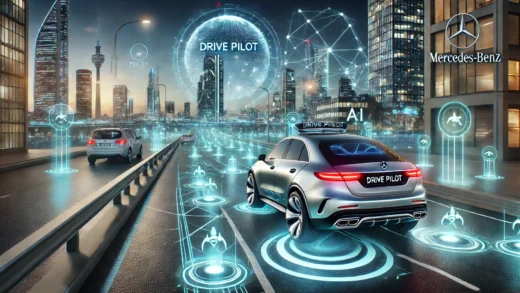
Self-driving cars are no longer just a futuristic dream—they’re here and transforming the automotive landscape in the US and Europe. While much of the focus has been on technology and safety, an equally important question is taking center stage: how can self-driving cars generate revenue? With their ability to reshape the way we think about transportation, self-driving cars are creating entirely new opportunities for profitability. Let’s dive into the exciting revenue models emerging in this space.
Redefining Car Ownership with Autonomous Fleets
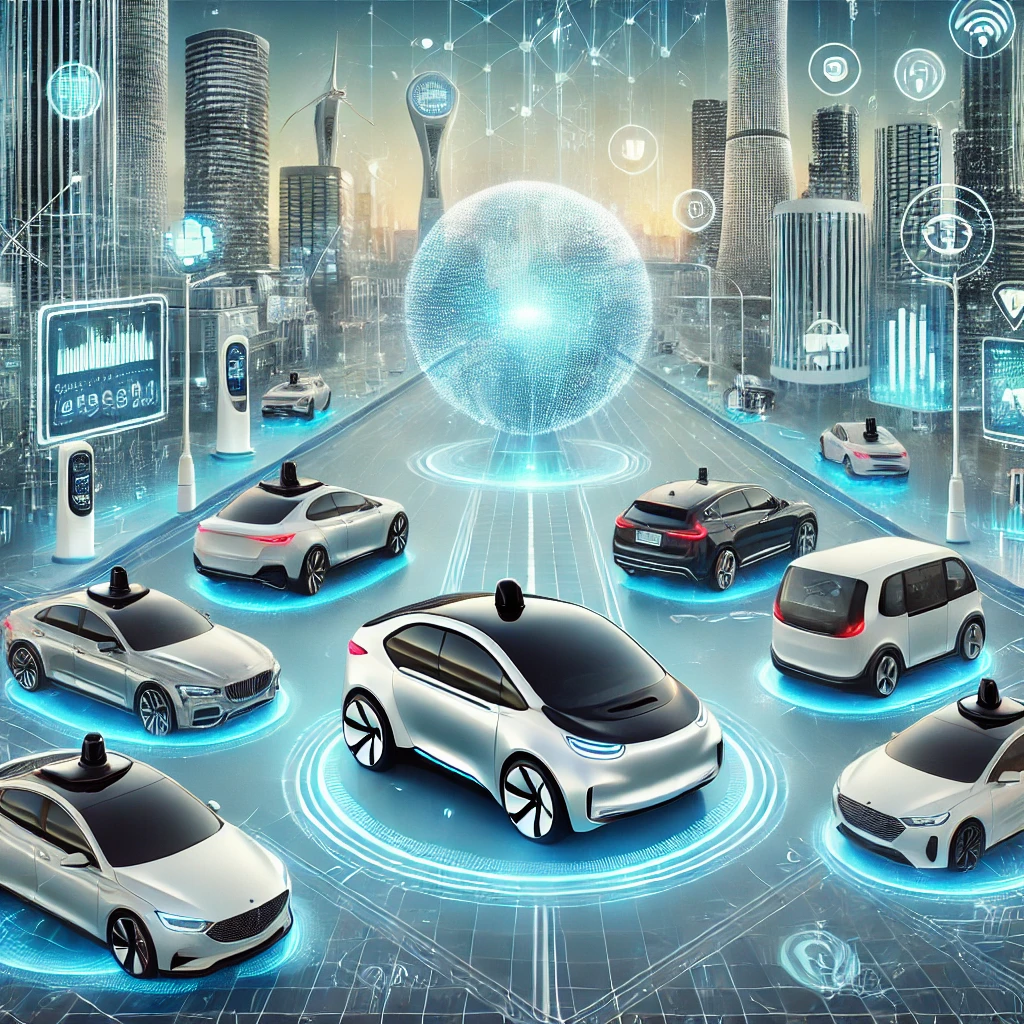
Traditional car ownership is evolving, and self-driving cars are at the heart of this change. Autonomous vehicles (AVs) are enabling a shift toward fleet-based models, where individuals no longer need to own a car to enjoy the convenience of personal transportation. Instead, companies are creating shared mobility networks of autonomous vehicles, offering rides on demand.
Think of it as a robotaxi service where you can summon a car via an app, much like current ride-hailing services. The difference is that these vehicles operate without a human driver, significantly lowering operating costs and enabling companies to offer competitive pricing. For automakers and tech companies, revenue is generated through per-ride charges, subscriptions, or even tiered services based on the level of luxury or customization.
Turning Commutes into Productivity and Entertainment Hubs
Self-driving cars are more than just a means of transportation—they’re becoming mobile spaces for work, leisure, and entertainment. As passengers regain the time they once spent driving, companies are exploring innovative ways to monetize this newfound freedom.
Some companies envision AVs as mobile offices equipped with high-speed internet, video conferencing capabilities, and productivity tools. Businesses can charge a premium for such services, targeting professionals who want to make the most of their commute. On the other hand, entertainment-focused AVs could come with integrated streaming services, gaming consoles, or even virtual reality experiences, creating revenue streams through partnerships with content providers or subscription packages.
Advertising in the Autonomous Age
As self-driving cars become more mainstream, they’re poised to become prime platforms for targeted advertising. These vehicles gather a wealth of data about their passengers, from their destinations and preferences to their browsing habits during rides. With user consent and stringent data privacy measures in place, companies can leverage this data to deliver personalized advertisements.
Imagine being offered a discount at a nearby coffee shop while en route or receiving exclusive promotions from retailers as you pass their locations. For businesses, this creates a highly effective way to reach customers at the right moment, while AV operators earn revenue through ad placements and affiliate partnerships.
Autonomous Delivery Services
The rise of e-commerce and same-day delivery has created a massive demand for efficient, reliable logistics. Self-driving cars are stepping up to meet this need, particularly in urban areas where traditional delivery methods can be costly and time-consuming. Autonomous delivery vehicles can transport goods, groceries, and packages, operating around the clock without driver fatigue.
Companies can generate revenue by offering delivery-as-a-service to retailers, restaurants, and logistics firms. For instance, an autonomous delivery fleet could work under a subscription model or charge per delivery, streamlining the supply chain while reducing costs. This model has the potential to reshape how goods move across cities, benefiting businesses and consumers alike.
Subscriptions and Pay-Per-Use Models
As the automotive industry shifts toward a service-oriented approach, subscription and pay-per-use models are gaining traction. For self-driving cars, this means offering flexibility to customers who don’t want the financial burden of ownership.
Consumers can subscribe to an AV service that gives them access to a vehicle whenever they need it. Subscriptions could be tailored to specific needs, such as daily commuting, weekend travel, or family use, creating diverse revenue streams for providers. For occasional users, pay-per-use models allow customers to summon an autonomous car for a single trip, making this technology accessible to a broader audience.
Reducing Costs to Boost Profitability
In addition to creating new revenue streams, self-driving cars significantly reduce costs for operators. Without the need to pay drivers, operating expenses for AV fleets are dramatically lower than those of traditional ride-hailing services. These savings make it easier for companies to reinvest in technology, expand fleets, and offer competitive pricing while maintaining profitability.
Moreover, the increased efficiency of autonomous vehicles, from optimized routing to reduced fuel consumption, further drives cost savings. These efficiencies translate into better margins, ensuring that AV services remain sustainable in the long term.
A World of Possibilities
Self-driving cars are doing more than changing how we move—they’re reshaping the business models that define the automotive industry. From ride-sharing and delivery services to in-car entertainment and advertising, the potential for innovation is limitless. In the US and Europe, where urbanization and technology adoption are driving demand for smarter mobility solutions, these revenue models are not just concepts—they’re rapidly becoming reality.
As we look to the future, self-driving cars promise to unlock profitability in ways that were once unimaginable. By combining cutting-edge technology with creative business strategies, the automotive industry is charting a course toward a more sustainable, efficient, and lucrative future. The road ahead is full of opportunity, and self-driving cars are leading the way.