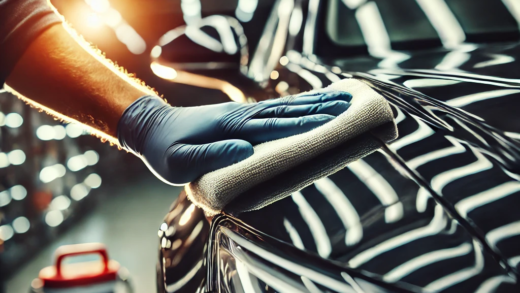
When it comes to maintaining your car’s appearance, two popular options stand out: ceramic coating and wax. Both methods aim to provide car paint protection, but they differ significantly in terms of application, longevity, and overall benefits. If you’re trying to decide between these two approaches, this guide will help you understand the key differences, advantages, and disadvantages of ceramic coating versus wax in 2024.
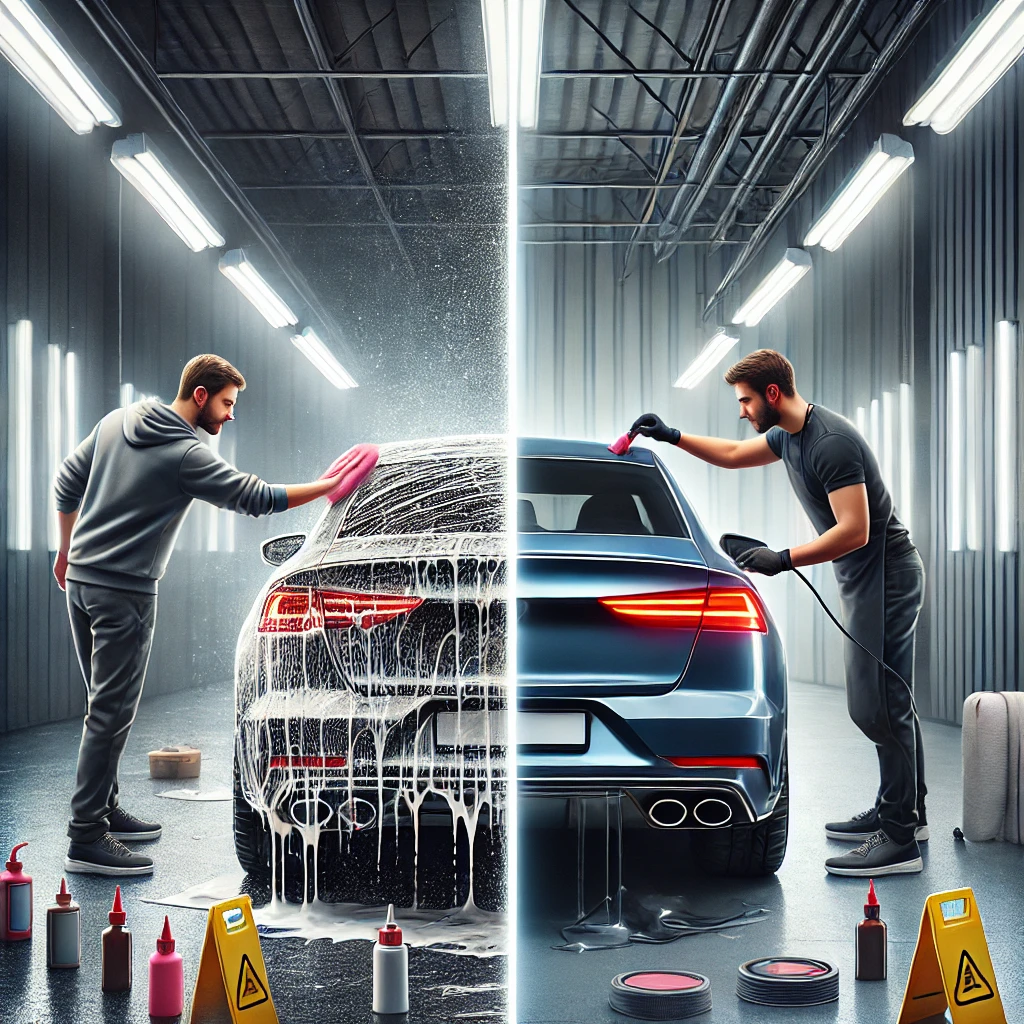
Understanding Ceramic Coating
Ceramic coating is a liquid polymer applied to the exterior surfaces of a vehicle. Once cured, it chemically bonds with the factory paint, creating a protective layer that offers several advantages. The most notable ceramic coating benefits include enhanced durability, resistance to UV rays, and superior hydrophobic properties. This means that water and dirt slide off the surface more easily, making your car easier to clean and maintain.
In 2024, many car owners are opting for ceramic coatings because of their long-lasting protection. While traditional wax may only last a few weeks or months, a ceramic coating can provide protection for several years. Some high-quality ceramic coatings are designed to last anywhere from two to five years, depending on the product and how well it’s maintained.
Another appealing aspect of ceramic coatings is their ability to enhance the gloss and shine of your vehicle. The smooth surface created by the coating helps to reflect light better, giving your car a sleek, glossy appearance that stands out on the road.
The Benefits of Waxing Your Car
Car wax has been a go-to solution for car enthusiasts and everyday drivers alike for many years. Generally made from natural carnauba wax or synthetic materials, it offers a layer of protection that is easier and quicker to apply than ceramic coatings. Wax creates a barrier on top of the paint, shielding it from environmental factors such as UV rays, dirt, and contaminants.
In 2024, many people still appreciate the traditional waxing process for its simplicity and effectiveness. Wax can provide a great shine, making it an excellent choice for those who enjoy the hands-on experience of detailing their vehicle. Additionally, wax is generally more affordable than ceramic coatings, making it a budget-friendly option for car owners.
However, the protection offered by wax is not as long-lasting as ceramic coatings. Wax typically needs to be reapplied every few months to maintain its effectiveness. Depending on factors like climate, exposure to sunlight, and washing frequency, this could mean more time and effort for car owners who want to keep their vehicles looking pristine.
Key Differences Between Ceramic Coating and Wax
When comparing ceramic vs. wax, several key differences emerge that can influence your decision. One of the most significant differences is durability. While wax can last a few weeks to a few months, ceramic coatings can offer years of protection. This longevity makes ceramic coatings a more appealing option for those looking for a low-maintenance solution.
Another crucial difference lies in the application process. Wax is relatively easy to apply, requiring only a cloth or applicator pad to spread it across the surface of the vehicle. On the other hand, ceramic coatings require a more meticulous application process. They often need to be applied in controlled conditions, such as a garage or shaded area, to ensure optimal bonding with the paint.
Cost is also a factor to consider. While the initial investment in ceramic coating can be higher than that of wax, the longevity and reduced maintenance might make it more cost-effective in the long run. Wax products are generally cheaper, but the need for more frequent applications can add up over time.
Maintenance Considerations
Regardless of whether you choose ceramic coating or wax, proper maintenance is essential for maximizing the life and effectiveness of the product. For ceramic coatings, regular washing with pH-neutral soaps and avoidance of abrasive materials will help maintain the protective layer. Some ceramic coatings also benefit from maintenance sprays, which can enhance hydrophobic properties and boost shine.
Wax, on the other hand, requires more frequent attention. Car owners should plan to wax their vehicles every three months or so, depending on environmental factors and personal preference. It’s also advisable to wash the car before applying wax to ensure that dirt and grime don’t interfere with the protective layer.
Conclusion: Choosing the Right Option for Your Vehicle
Deciding between ceramic coating and wax ultimately depends on your specific needs and preferences as a car owner. If you value long-lasting protection, reduced maintenance, and a high-gloss finish, a ceramic coating might be the ideal choice for you. While the upfront cost is higher, the benefits it provides can outweigh the initial investment.
Conversely, if you prefer a hands-on approach to car care, enjoy the process of waxing, or are working within a tight budget, traditional wax remains a solid option. It can still deliver great results and keep your vehicle looking shiny and protected.
In the end, both ceramic coatings and waxes have their unique advantages and can serve to protect your car’s paint effectively. Whether you opt for the advanced technology of ceramic coatings or the time-tested tradition of waxing, taking care of your vehicle’s exterior will always pay off in the long run. Keep your car looking its best and enjoy the ride, knowing you’ve made an informed choice about your car paint protection in 2024.