Motorsports has long been a symbol of speed, innovation, and adrenaline. For decades, roaring engines and high-octane drama have captured the hearts of millions. Now, a new era is emerging—one powered by electricity. Electric vehicle (EV) racing is revolutionizing motorsports, blending sustainability with cutting-edge technology. From Formula E to Extreme E, this transformation is making waves across the US and Europe, changing the game for fans, drivers, and automakers alike.
The Rise of EV Racing
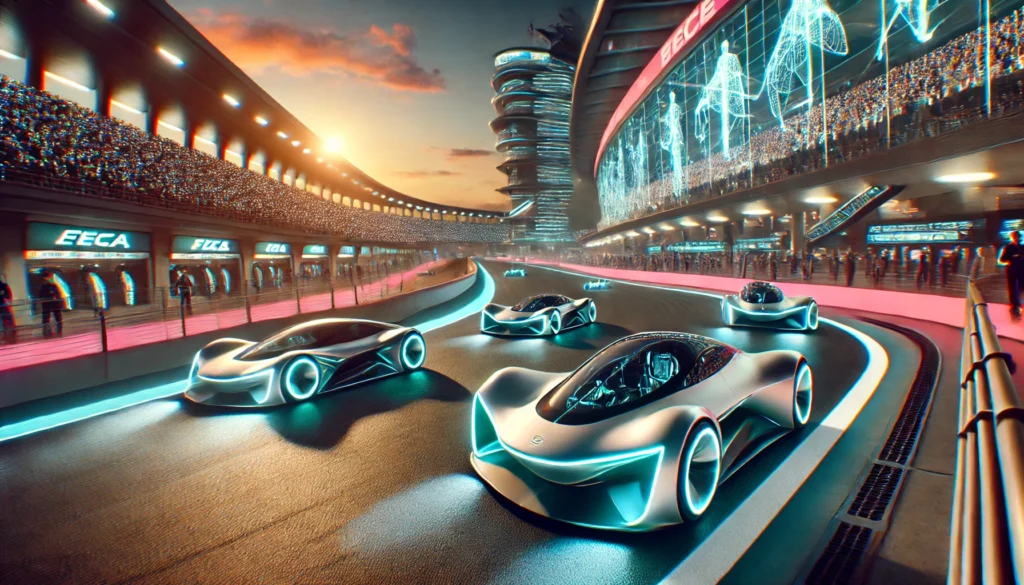
Electric racing series like Formula E and Extreme E have gained significant traction in recent years. Unlike traditional motorsports, these championships showcase fully electric race cars competing at high speeds in urban circuits or extreme terrains.
Formula E, in particular, has become the flagship of EV racing, taking place in major cities like New York, London, and Berlin. By bringing the action to the heart of urban centers, Formula E not only reduces logistical challenges but also makes the sport more accessible to fans. Extreme E, meanwhile, ventures into remote and challenging environments like deserts and glaciers, highlighting the impact of climate change while pushing EV technology to its limits.
Innovation on the Fast Track
One of the most exciting aspects of EV racing is how it serves as a testing ground for innovation. In traditional motorsports, technological advancements often take years to trickle down to consumer vehicles. In EV racing, the transfer happens much faster, with breakthroughs in battery technology, energy efficiency, and aerodynamics quickly influencing the development of everyday electric cars.
For example, fast-charging solutions pioneered in Formula E are being adapted for public charging stations, making EV ownership more practical. Regenerative braking, a feature now common in consumer EVs, was first perfected on the racetrack. These innovations not only improve performance but also make EVs more appealing and accessible to a broader audience.
Sustainability at the Core
Sustainability is the cornerstone of EV racing. Traditional motorsports are often criticized for their environmental impact, from high fuel consumption to carbon emissions. EV racing flips the script, offering a platform that aligns with the growing demand for eco-friendly solutions.
In Formula E, the cars produce zero tailpipe emissions, and the championship itself is committed to carbon neutrality. Extreme E goes a step further, using its races to raise awareness about environmental issues and implementing sustainable practices like renewable energy-powered paddocks.
This focus on sustainability resonates deeply with audiences in the US and Europe, where environmental consciousness is becoming increasingly important. Younger generations, in particular, are drawn to the idea of motorsports that prioritize both excitement and ecological responsibility.
A New Kind of Fan Experience
EV racing is also transforming the way fans engage with motorsports. The urban-centric approach of Formula E means fans can watch races in iconic cityscapes, creating a unique and immersive experience. This accessibility attracts a diverse audience, many of whom may be discovering motorsports for the first time.
Additionally, the quiet operation of electric race cars allows races to take place in locations where noise restrictions would otherwise be a barrier. This opens the door to a wider range of venues and fan experiences, making motorsports more inclusive and far-reaching than ever before.
Technological advancements also enhance fan interaction. Features like real-time data tracking, fan voting to influence race outcomes (as seen in Formula E’s FanBoost), and virtual reality experiences bring fans closer to the action. This blend of technology and entertainment creates a dynamic and interactive connection between the audience and the sport.
Collaboration with Automakers
For automakers, EV racing is a golden opportunity to showcase their electric technology and strengthen their brand identity. Major manufacturers like Porsche, Audi, Jaguar, and Mercedes-Benz have embraced the challenge, fielding teams in Formula E and other EV championships.
This involvement isn’t just about competition—it’s about credibility. Automakers use the intense conditions of racing to prove the performance and reliability of their electric vehicles. Success on the racetrack translates into consumer confidence, helping to drive EV adoption in markets like the US and Europe.
The Road Ahead
As EV racing continues to evolve, its impact on motorsports and the broader automotive industry will only grow. Emerging technologies like solid-state batteries, wireless charging, and advanced AI systems are being tested in EV racing and could soon redefine what’s possible for both race cars and consumer vehicles.
In addition, the global appeal of EV racing is driving a shift in how motorsports are perceived. It’s no longer just about speed and power—it’s about innovation, sustainability, and inclusivity.
For fans, drivers, and automakers, EV racing represents a thrilling glimpse into the future of mobility. With each race, it’s clear that this is more than just a trend—it’s the next chapter in the rich history of motorsports.
Conclusion
EV racing is doing more than electrifying the track; it’s transforming the very essence of motorsports. By combining cutting-edge technology with a commitment to sustainability, it’s creating a new era of competition that appeals to fans and benefits the planet.
In the US and Europe, where interest in electric vehicles is surging, EV racing is inspiring a new generation of enthusiasts while driving innovation in the automotive industry. As the world accelerates toward an electric future, one thing is certain: the impact of EV racing will be felt far beyond the finish line.