As businesses across the United States shift toward sustainable practices, electric vehicles (EVs) are taking center stage, especially in the commercial sector. With the rising costs of fuel and the growing emphasis on reducing carbon emissions, many companies are exploring the benefits of transitioning to electric fleets. Fortunately, government incentives designed to facilitate this transition are more robust than ever in 2024. In this blog, we will discuss the various commercial EV incentives available, how they work, and why they are essential for businesses looking to adopt electric vehicles.

Understanding Commercial EV Incentives
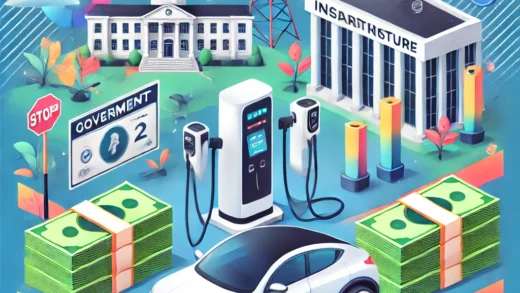
In 2024, commercial EV incentives encompass a range of programs aimed at reducing the financial burden of acquiring electric vehicles. These incentives come in many forms, including tax credits, grants, and rebates, which can significantly offset the initial costs of purchasing or leasing electric trucks and vans. Governments at both federal and state levels are eager to promote the adoption of green technologies, recognizing the vital role that commercial vehicles play in reducing greenhouse gas emissions.
One of the primary reasons behind these incentives is the urgent need to address climate change. By incentivizing businesses to switch to electric fleets, the government aims to decrease reliance on fossil fuels and foster a cleaner environment. This initiative aligns with broader sustainability goals and helps create a more resilient economy.
Federal Incentives for Electric Fleets
The federal government has implemented several programs to support the transition to electric commercial vehicles. The most notable is the Federal EV Tax Credit, which offers up to $7,500 for the purchase of new electric vehicles, including commercial models. While this tax credit has traditionally been available for passenger vehicles, many eligible electric vans and trucks are now included in the program.
Moreover, the Inflation Reduction Act, passed in late 2022, introduced additional funding to support the electrification of transportation. This act allocates significant resources for the development of EV infrastructure and the promotion of electric vehicles, including those in the commercial sector. This means businesses can benefit from an increasingly favorable regulatory environment that promotes the growth of electric fleets.
State and Local Incentives
In addition to federal support, many states and local governments offer their own incentives for commercial EVs. These programs vary widely from state to state but often include grants for electric fleets, rebates for purchasing charging equipment, and reduced registration fees for electric vehicles.
For instance, California has long been a leader in promoting electric vehicles through its Clean Vehicle Rebate Project. This program offers substantial rebates for businesses purchasing electric trucks and vans, making the transition more financially viable. States like New York, Massachusetts, and Colorado also provide various incentives aimed at encouraging businesses to adopt electric vehicles.
Local governments are also getting involved. Many cities are establishing their own programs to incentivize electric vehicle use, often focusing on urban delivery services and public transportation. This localized approach allows communities to tailor their incentives to address specific needs, fostering a more effective transition to electric fleets.
Grants and Funding Opportunities
Another critical aspect of government support for commercial EVs in 2024 is the availability of grants and funding opportunities. These grants for electric fleets are designed to help businesses offset the costs of transitioning to electric vehicles and developing necessary infrastructure, such as charging stations. The U.S. Department of Transportation and the Environmental Protection Agency often manage these grants, making them accessible to various organizations.
Additionally, organizations like the U.S. Department of Energy provide resources and funding to help businesses research and adopt electric vehicle technology. These grants can significantly lower the financial barriers that many companies face when switching to electric fleets, making it more feasible for small and mid-sized businesses to participate.
The Road Ahead
As the demand for sustainable transportation solutions continues to grow, government EV programs will play a crucial role in shaping the future of commercial fleets. In 2024, businesses that embrace these incentives will find themselves better positioned to adapt to changing market demands while also contributing to environmental sustainability.
The combination of federal, state, and local incentives creates a robust framework for businesses considering the switch to electric vehicles. The financial support available today is more comprehensive than ever, making it an opportune time for companies to invest in electric fleets. As infrastructure improves and technology advances, the road to electrification will become even more accessible.
Conclusion
In conclusion, government incentives for commercial EVs are transforming the landscape of transportation in the United States. With a variety of programs available, from federal tax credits to state grants, businesses have a wealth of resources to support their transition to electric fleets. As we move forward in 2024, these commercial EV incentives will be vital in creating a greener, more sustainable future for businesses and communities alike. Embracing these opportunities not only benefits individual companies but also contributes to a healthier planet for future generations.