Tesla’s journey from a California-based startup to a global leader in electric vehicles (EVs) is a story of innovation and bold strategy. While the company’s impact is well-established in the US and Europe, its growing footprint in Asia marks a new chapter in its global ambitions. With diverse markets, rising EV demand, and increasing environmental consciousness, Asia presents both opportunities and challenges for Tesla.
From leveraging local manufacturing to tailoring products for regional preferences, Tesla’s market strategy in Asia offers valuable insights into how the brand is shaping its future on a global scale.
Tapping into Asia’s EV Boom
Asia is rapidly becoming the world’s largest market for electric vehicles, driven by government incentives, environmental policies, and increasing consumer interest in clean mobility. Countries like China, Japan, South Korea, and India are prioritizing the adoption of EVs, making the region a key battleground for automakers.
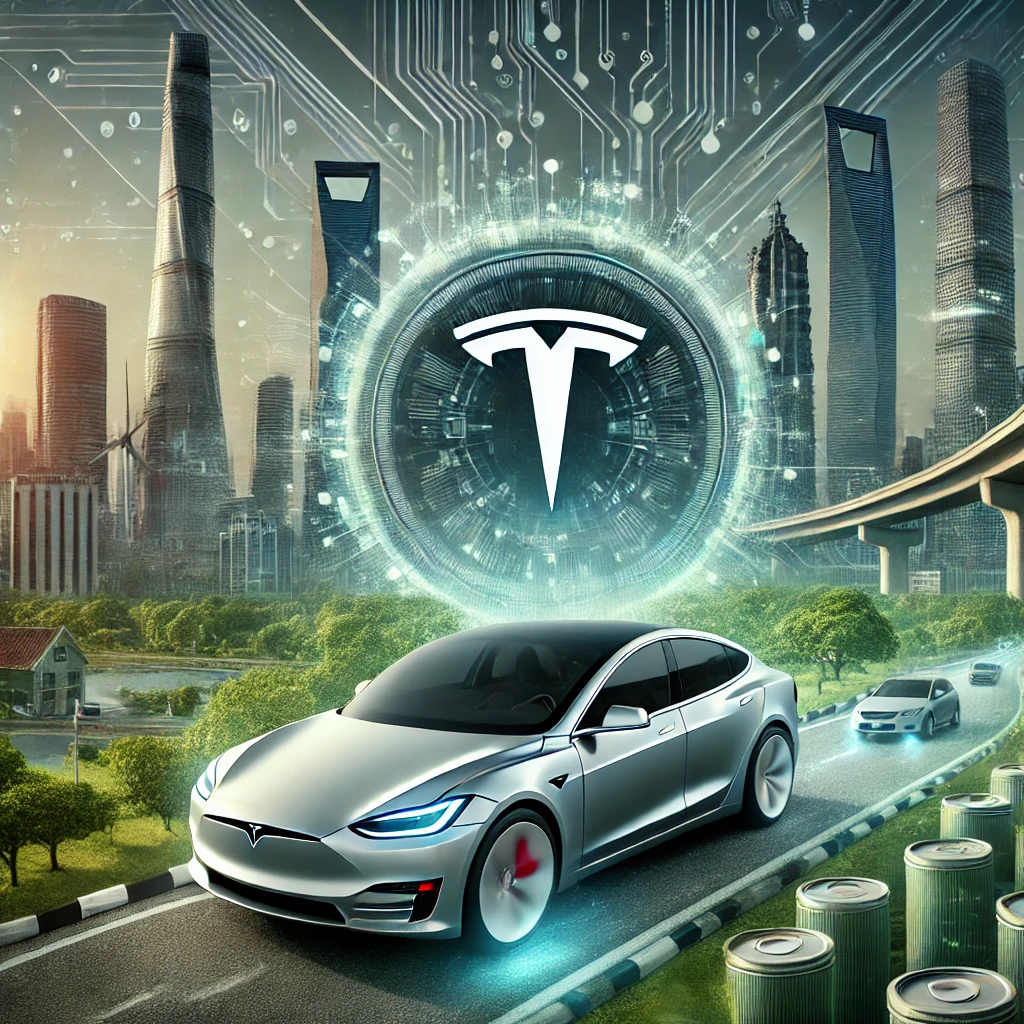
China, in particular, is a cornerstone of Tesla’s strategy. As the largest EV market globally, it offers immense growth potential. Tesla’s Gigafactory in Shanghai plays a critical role in meeting demand not only in China but also across neighboring countries. The factory’s localized production reduces costs, shortens delivery times, and helps Tesla remain competitive in a market dominated by domestic brands.
Beyond China, Tesla is exploring opportunities in markets like Japan and South Korea, where strong economies and a tech-savvy population create fertile ground for EV adoption. In emerging markets like India, Tesla’s focus is on navigating regulatory hurdles and understanding local preferences to position itself for future success.
Local Manufacturing: A Strategic Move
One of the key pillars of Tesla’s market strategy in Asia is local manufacturing. The Gigafactory in Shanghai was Tesla’s first production facility outside the US and has become a model for efficiency and scalability. By producing vehicles locally, Tesla avoids high import taxes and logistical challenges, making its cars more accessible to consumers.
This localized approach also helps Tesla build stronger relationships with suppliers and stakeholders in the region. By sourcing parts from local manufacturers, Tesla supports regional economies while enhancing its supply chain resilience.
Tesla’s success in China is a testament to the benefits of local manufacturing. The Model 3 and Model Y, produced at the Shanghai facility, have become some of the best-selling EVs in the country, demonstrating how Tesla’s strategy aligns with the preferences and needs of Asian consumers.
Understanding Regional Preferences
Asia is a diverse region with varied cultural, economic, and consumer behaviors. Tesla’s ability to adapt to these differences is a critical factor in its market strategy. In China, for instance, Tesla has integrated features like WeChat compatibility into its infotainment system, recognizing the app’s ubiquity in daily life. Similarly, the company’s focus on affordability in India reflects an understanding of the price-sensitive nature of the market.
Tesla’s commitment to innovation also resonates with Asian consumers who value cutting-edge technology. From over-the-air software updates to advanced driver-assistance systems, Tesla’s features appeal to a tech-savvy demographic that prioritizes connectivity and convenience.
In addition to technological innovation, Tesla is leveraging brand prestige. In countries like Japan and South Korea, where luxury and status play a significant role in purchasing decisions, Tesla’s reputation as a premium EV maker gives it a competitive edge.
Addressing Challenges in Asia
While Asia offers significant opportunities, Tesla faces challenges that require careful navigation. Competition from local EV manufacturers is fierce, particularly in China, where companies like BYD, NIO, and XPeng dominate the market with affordable and feature-rich vehicles. To stand out, Tesla must continually innovate while maintaining competitive pricing.
Regulatory hurdles also pose challenges. In markets like India, high import taxes and stringent localization requirements have delayed Tesla’s entry. Negotiating these complexities while maintaining profitability is a delicate balancing act.
Infrastructure is another critical factor. While developed markets like Japan and South Korea have robust charging networks, emerging markets are still building the necessary infrastructure to support widespread EV adoption. Tesla’s efforts to expand its Supercharger network in Asia are essential for fostering consumer confidence and convenience.
The Road Ahead
Tesla’s market strategy in Asia reflects its broader vision of accelerating the global transition to sustainable energy. By investing in local manufacturing, understanding regional preferences, and addressing challenges head-on, Tesla is positioning itself as a key player in one of the world’s most dynamic automotive markets.
For consumers in the US and Europe, Tesla’s success in Asia highlights the brand’s ability to innovate and adapt on a global scale. Lessons learned in Asia can influence Tesla’s strategies in other markets, driving further advancements in affordability, technology, and infrastructure.
As Tesla continues to expand its presence in Asia, the company is not only shaping the future of mobility in the region but also setting the stage for a truly global EV ecosystem. With a focus on sustainability, innovation, and accessibility, Tesla’s journey in Asia is one to watch, promising a cleaner, greener future for drivers worldwide.