

The electric vehicle (EV) revolution is heating up, and Europe finds itself in a race against time to protect its position in the global automotive market. With Chinese automakers rapidly expanding their influence, Europe is devising strategies to not only hold its ground but also establish itself as a leader in sustainable mobility. Here’s a closer look at how Europe plans to compete with the influx of Chinese electric cars.
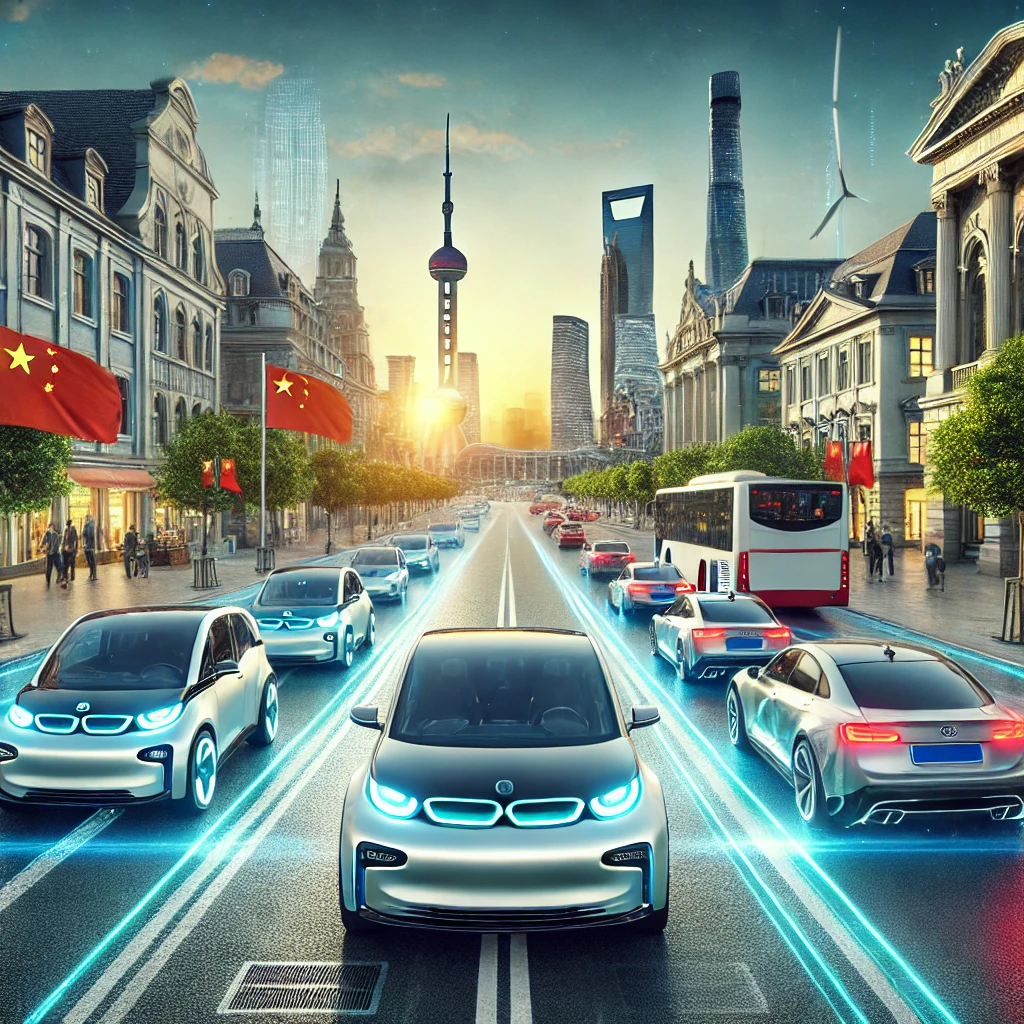
The Growing Influence of Chinese EVs
Chinese manufacturers have been making significant strides in the EV industry. With competitive pricing, advanced battery technology, and massive production capabilities, they have managed to capture the attention of global markets. Companies like BYD, NIO, and Xpeng are leading the charge, offering electric cars that are not only affordable but also packed with features that appeal to tech-savvy consumers.
In recent years, these manufacturers have expanded their footprint beyond China, targeting Europe with aggressive pricing strategies and innovative models. This has posed a direct challenge to established European automakers who are now under pressure to innovate, cut costs, and deliver value-driven electric vehicles.
Europe’s Response: Policies and Investments
European governments and automakers are aware of the growing competition and are responding with a combination of policies and investments. The European Union has introduced stringent emissions regulations, incentivizing local manufacturers to accelerate their EV production. These policies are designed to not only reduce carbon emissions but also foster a thriving EV ecosystem in the region.
Additionally, substantial investments are being made in battery production and charging infrastructure. Europe aims to reduce its reliance on Chinese batteries by building its own gigafactories. Companies like Northvolt in Sweden and ACC, a joint venture between Stellantis, TotalEnergies, and Mercedes-Benz, are leading this charge. By securing a domestic supply chain for critical EV components, Europe hopes to gain a competitive edge in the global market.
Collaboration Between Automakers and Governments
Collaboration has become a cornerstone of Europe’s strategy. Governments are working closely with automakers to create a favorable environment for EV development. Tax incentives, subsidies for EV buyers, and grants for research and development are some of the measures being implemented to support local players.
European automakers, including Volkswagen, BMW, and Renault, are also investing heavily in their EV lineups. These companies are focusing on innovation, from designing efficient electric powertrains to integrating cutting-edge software and autonomous driving features. By leveraging their strong engineering heritage, they aim to offer vehicles that stand out in terms of quality, safety, and performance.
The Role of Charging Infrastructure
One of the key challenges in the EV market is the availability of charging infrastructure. Europe recognizes this and is making significant efforts to expand its charging network. Public and private partnerships are being forged to install high-speed chargers along highways, in urban centers, and at key destinations.
The goal is to make EV ownership as convenient as possible, eliminating range anxiety and encouraging more consumers to make the switch. With widespread charging infrastructure, European automakers can better compete with Chinese manufacturers by offering a seamless and reliable EV experience.
Focusing on Sustainability and Circular Economy
Sustainability is at the heart of Europe’s automotive strategy. Beyond just producing electric cars, European manufacturers are adopting a circular economy approach. This involves designing vehicles that are easier to recycle, reducing waste, and sourcing materials ethically.
Companies are also investing in second-life battery applications and developing methods to recover valuable materials like lithium and cobalt from used batteries. These efforts not only align with Europe’s green goals but also help reduce costs and reliance on external suppliers.
The Challenge of Price Competitiveness
One of the biggest hurdles for European automakers is competing with the price points offered by Chinese EVs. Labor costs, energy expenses, and regulatory requirements in Europe are higher, making it difficult to match the affordability of Chinese models.
To tackle this, European companies are exploring innovative manufacturing techniques, including 3D printing and modular production lines, to cut costs without compromising on quality. Additionally, automakers are working to strike a balance between premium and budget-friendly offerings, ensuring there’s something for every consumer.
Building a Stronger Brand Identity
European automakers are leveraging their brand heritage to appeal to global consumers. Luxury brands like Audi, Porsche, and Mercedes-Benz are focusing on delivering high-performance EVs that offer unparalleled driving experiences. On the other hand, brands like Volkswagen and Renault are targeting the mass market with affordable, reliable, and stylish electric cars.
By emphasizing quality, innovation, and sustainability, European brands aim to differentiate themselves from their Chinese counterparts. Marketing campaigns are also highlighting the European commitment to environmental responsibility and cutting-edge technology, resonating with eco-conscious consumers.
The Road Ahead
Europe’s plan to compete with Chinese electric cars is ambitious but necessary. By focusing on innovation, sustainability, and collaboration, the region is positioning itself as a key player in the global EV market. However, the competition is fierce, and success will depend on how quickly European automakers can adapt to changing consumer demands and market dynamics.
The race for EV dominance is far from over, and Europe’s response will shape the future of the automotive industry. With continued investment, strategic partnerships, and a commitment to sustainability, Europe has the potential to not only compete with but also lead the electric vehicle revolution.


