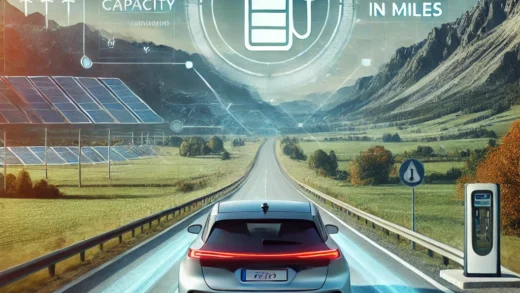
Electric vehicles (EVs) are no longer just a niche in the United States and Europe. With battery technology improving and charging infrastructure expanding, more drivers are embracing EVs for daily commutes, long road trips, and family travel. However, one concern remains constant: range anxiety. Early EV owners often focused on finding the “nearest charger,” but today’s charging‑aware routing takes planning to a whole new level. Modern software doesn’t just locate stations; it anticipates needs, considers battery conditions, and optimizes stops to make trips smooth, predictable, and stress‑free.
Route planning in the past was straightforward but often inefficient. Drivers would stop at the closest available charger, regardless of queue length or charging speed. This approach could add unnecessary delays and reduce confidence in long journeys. Today, advanced routing systems in both the US and EU use real-time data, predictive analytics, and battery monitoring to guide drivers to the best stations, not just the nearest ones. By considering energy efficiency, charging speed, and availability, these systems improve travel time, reduce stress, and maximize the usable range of every EV.
Intelligent routing also improves overall driving confidence. Instead of worrying about whether the next charger will be available or if the battery will last, drivers can trust their navigation to plan the most efficient route. By integrating environmental factors such as weather, terrain, and temperature, routing software ensures that battery performance remains predictable. This combination of convenience and reliability is key to making EV ownership seamless and enjoyable, especially for drivers traveling in unfamiliar areas.
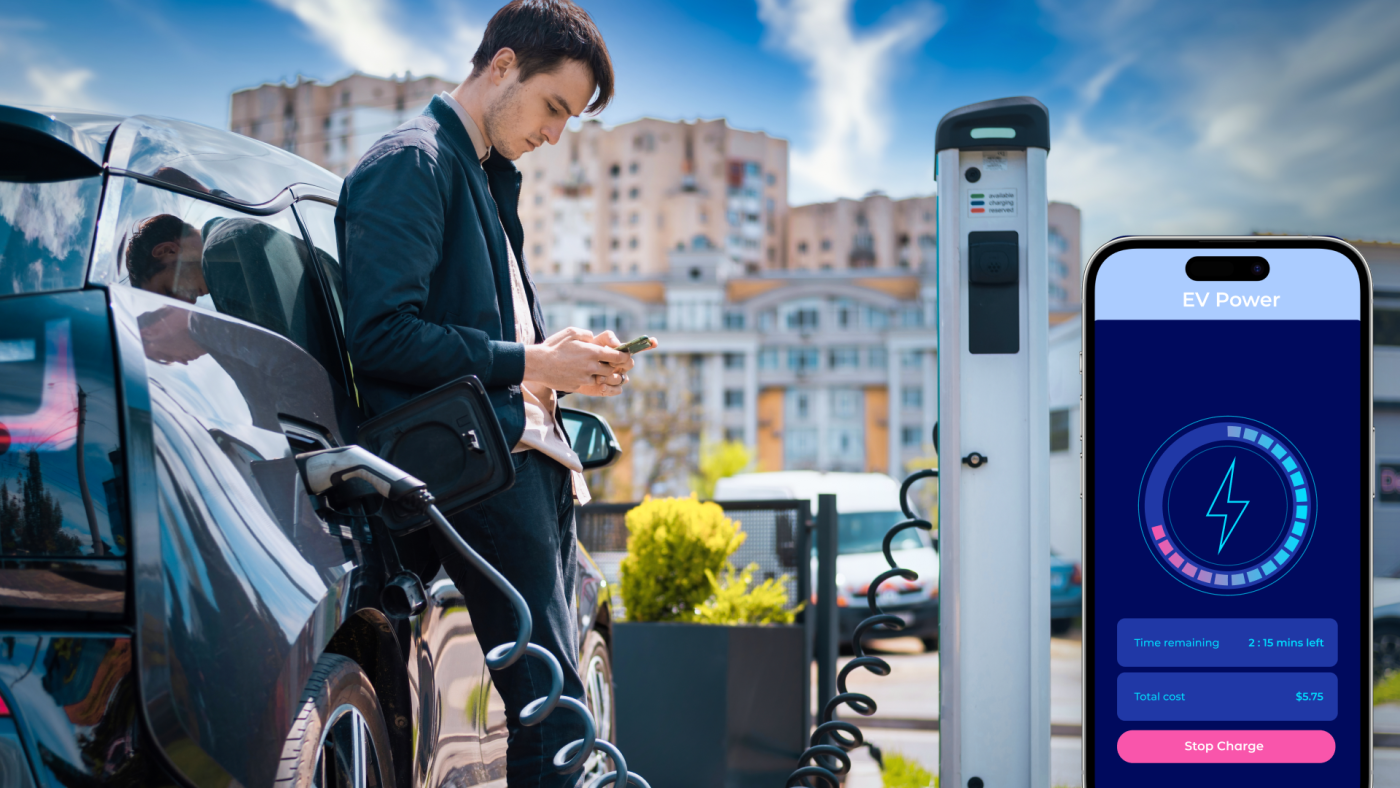
From “Nearest Charger” to Smart Routing
Early EV navigation systems focused only on proximity, a helpful but limited metric. Not all chargers provide the same power output, and some may be slower or temporarily occupied. Today’s charging‑aware routing prioritizes chargers based on factors like power level, expected wait times, and overall efficiency for the route. In Europe, high-speed corridors and urban chargers are factored differently, while in the US, long interstate drives benefit from predictive recommendations that consider distance, speed, and terrain. This ensures drivers make the most of every charging stop without unnecessary detours.
Battery state and environmental conditions are now central to routing decisions. Cold weather in northern Europe or hot summers in southern Spain can reduce battery efficiency and affect range. Advanced systems account for these variables, adjusting charging stops and timing to ensure energy is used effectively. This proactive approach minimizes surprises and ensures the battery operates within its optimal range, extending both performance and confidence for drivers.
Predictive analytics also play a significant role. Modern routing platforms can anticipate charging station occupancy and queue lengths using historical and real-time data. By rerouting drivers to less busy stations, the software saves time and reduces frustration. These intelligent decisions make the journey feel effortless, turning charging stops into predictable, stress-free experiences instead of obstacles along the way.
Optimizing Comfort and Convenience
Route planning now recognizes that charging stops are more than functional pauses; they are opportunities for comfort. Drivers often prefer stops with amenities such as food, restrooms, or scenic areas. Charging-aware routing systems integrate these preferences, suggesting stations near cafés, rest areas, or city centers. This is particularly valuable for long trips, ensuring that every pause is both practical and pleasant.
Time management is another advantage. Advanced systems estimate charging durations based on battery size, current state of charge, and charger power. Quick top-ups may be routed to stations near highway exits, while longer sessions align with meal breaks or sightseeing stops. This integration of time and convenience helps drivers feel in control of their journey, reducing stress and increasing satisfaction.
Scheduling features further enhance usability. Drivers can input arrival times or plan multi-stop trips, allowing the software to optimize charging along the way. Whether commuting to work, taking a weekend trip, or planning a cross-country journey, these features ensure that stops are efficient, predictable, and aligned with driver needs. This kind of intelligent planning makes EV trips feel as natural as driving a gasoline vehicle.
Predictive Software and Smart Data
The real innovation in charging-aware routing comes from predictive intelligence. Systems learn from previous trips, driver behavior, and charging habits to anticipate future needs. Battery performance is highly sensitive to temperature, driving style, and load, and predictive software adjusts routing to maintain optimal energy use. For example, colder climates in Scandinavia or northern US states can impact range, but software preemptively plans charging stops to avoid disruptions.
Machine learning also improves charger selection. Instead of arriving at a fully occupied station, predictive analytics can suggest alternatives likely to have availability, saving time and reducing uncertainty. For daily commuters or long-distance travelers, this real-time adaptability makes routes reliable and stress-free. Drivers experience fewer surprises and greater confidence in their EVs.
Integration of multiple data sources enhances these benefits. Navigation systems now pull information from vehicle telemetry, traffic data, charging networks, and weather forecasts. By combining these inputs, the software creates a holistic route optimized for range, time, and convenience. This level of sophistication is especially valuable in markets with dense traffic, complex charging networks, and varied geography.
Driving the Future of EV Travel
Charging-aware routing is more than a convenience; it is a critical component of the EV experience. By reducing range anxiety and simplifying energy management, it encourages greater adoption of electric mobility. Fleet operators, daily commuters, and long-distance travelers alike benefit from smarter, more efficient planning that integrates seamlessly into modern life.
As routing software becomes more intelligent, features like predictive rerouting, personalized energy management, and context-aware stops will become standard. Drivers in the US and Europe can expect journeys to become increasingly seamless, with fewer interruptions and predictable travel times. This technology demonstrates how software, not just battery size, is transforming the EV landscape.
In 2026 and beyond, charging-aware routing will be a cornerstone of EV ownership. By considering battery health, environmental conditions, driver preferences, and real-time data, these systems take EV travel to the next level. Beyond “nearest charger,” intelligent routing ensures drivers can enjoy stress-free journeys, confident that their vehicle is ready for every mile. EV travel has never been smarter or more convenient.