

Electric vehicles (EVs) are becoming mainstream across the United States and Europe, and drivers are learning that range isn’t just about battery size — it’s also about how efficiently energy is used. One of the most practical software features for maximizing range is smart preconditioning. This technology prepares your vehicle’s battery and cabin temperature before departure, ensuring optimal performance from the first mile. By intelligently managing energy use, smart preconditioning enhances comfort, reduces range loss in extreme climates, and gives drivers more confidence on every journey.
Smart preconditioning works quietly in the background, using data from the vehicle, climate conditions, and driver habits to determine the best time to prepare the battery and cabin. When plugged in, the system warms a cold battery or cools an overheated one, drawing energy from the charger instead of the battery itself. This ensures that more of the battery’s stored energy is reserved for actual driving. For EV owners in colder US states like Minnesota or snowy European regions such as Scandinavia, this proactive approach translates to longer usable range and smoother vehicle performance.
Another key benefit of smart preconditioning is comfort. Stepping into a vehicle that is already at a pleasant temperature makes every drive more enjoyable, whether it’s a freezing winter morning in Germany or a hot summer afternoon in southern Spain. By preconditioning while plugged in, energy that would otherwise come from the battery is conserved, meaning drivers get both comfort and improved range. This combination of efficiency and convenience demonstrates how software can directly enhance the EV ownership experience.
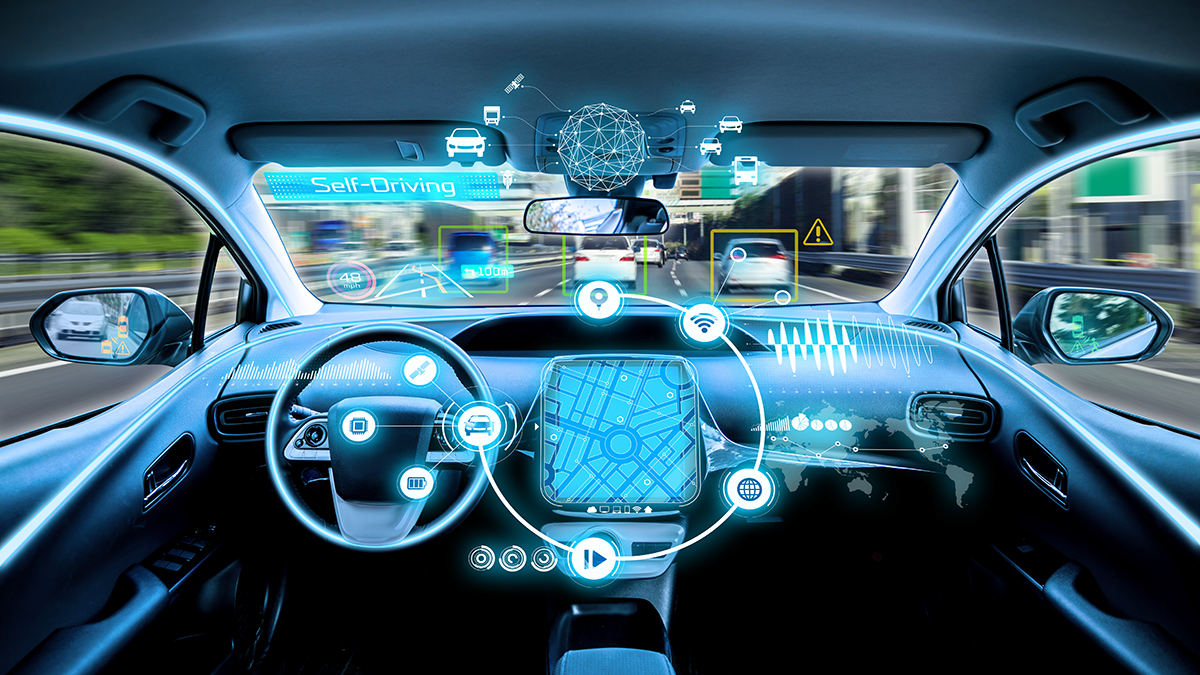
How Smart Preconditioning Works
Smart preconditioning relies on intelligent algorithms that consider multiple data points, including battery temperature, ambient conditions, trip schedules, and charging status. By integrating this information, the software can determine the optimal timing and intensity of preconditioning. For instance, if a driver sets a departure time of 8 AM, the system can activate the battery and cabin heating or cooling in advance, ensuring the vehicle is ready when needed. In climates with extreme temperatures, this precision makes a noticeable difference in both range and comfort.
The system also learns driver behavior over time. Advanced EVs can predict routine trips, identifying patterns in daily commutes or regular charging sessions. By anticipating departure times, smart preconditioning can adjust battery and cabin temperatures automatically, reducing the need for manual intervention. This predictive approach ensures maximum efficiency, while also giving drivers peace of mind that their vehicle is optimized without additional effort.
Weather and route data further enhance smart preconditioning. The system can access real-time weather forecasts or consider upcoming terrain and driving conditions, adjusting preparation accordingly. For example, steep hills or high-speed highways can influence battery temperature requirements, and preconditioning adapts to optimize performance. This combination of predictive analytics and adaptive control ensures that drivers benefit from every kilowatt-hour of available energy.
Real-World Benefits for Drivers
One of the most immediate advantages of smart preconditioning is increased usable range, especially in cold or hot weather. Cold batteries slow down chemical reactions, reducing capacity and power output, while hot batteries trigger cooling mechanisms that drain energy. Preconditioning mitigates these effects by bringing the battery into its optimal temperature range before driving. Drivers notice better performance and more predictable range on every trip, which is particularly valuable for commuting or long journeys.
Beyond range, preconditioning also reduces wear on the battery. Heating or cooling a battery while driving draws additional energy and accelerates degradation over time. By performing these adjustments while plugged in, smart preconditioning ensures that the energy used doesn’t impact battery health, contributing to longer-term performance. For fleets and individual owners alike, this helps preserve battery life and reduces the need for premature replacements.
Smart preconditioning also improves overall driving confidence. Many EV owners in the US and Europe are still concerned about range variability in extreme weather. Knowing that the car automatically optimizes the battery and cabin gives drivers peace of mind. This reassurance encourages wider EV adoption, as drivers feel less anxious about planning trips and managing energy consumption.
Making Smart Preconditioning Work for You
Modern EVs integrate preconditioning seamlessly with mobile apps and in-car systems. Drivers can set departure times, enable automatic learning modes, or manually trigger preconditioning before trips. The best implementations balance automation with user control, allowing drivers to adjust settings according to preference while letting the system handle routine preparation. This approach ensures convenience without sacrificing energy efficiency or range.
Transparency is also critical. Drivers want to understand how preconditioning affects energy use and range. Advanced dashboards and apps provide clear feedback, showing that preconditioning uses grid energy rather than battery power. This transparency not only reinforces trust but also helps drivers make informed decisions about charging schedules and trip planning.
AI and machine learning are making smart preconditioning even smarter. Over time, the system learns patterns in driving, charging, and environmental conditions, continuously refining its preparation strategy. By tailoring preconditioning to individual routines, EVs in both the US and EU markets can maximize energy efficiency, maintain optimal comfort, and ensure reliable performance.
The Future of Range Optimization
Smart preconditioning represents a broader shift in EV design, where software plays a crucial role in extending usable range without increasing battery size. Predictive energy management, adaptive learning, and seamless integration between hardware and software demonstrate how technology can solve real-world problems for drivers. By maximizing every kilowatt-hour, smart preconditioning helps drivers travel further, stay comfortable, and enjoy a smoother EV experience.
As EV adoption grows, drivers will increasingly expect their vehicles to manage energy intelligently. Features like smart preconditioning highlight the power of software to enhance the driving experience and reduce range anxiety. For automakers, prioritizing these innovations ensures happier customers, longer battery life, and a more efficient, sustainable approach to electric mobility. Smart preconditioning is a simple concept with a significant impact, proving that sometimes the smartest range extender isn’t a bigger battery, but smarter software.


