In the ever-evolving world of automotive innovation, one area that has seen remarkable progress is vehicle noise cancellation technology. As drivers demand quieter, more comfortable rides, manufacturers across the US and Europe have embraced cutting-edge solutions to reduce unwanted noise. From long highway drives to bustling urban commutes, the quest for a serene cabin experience is reshaping how vehicles are designed and built in 2024.

Understanding the Need for Noise Cancellation
Noise pollution is more than an annoyance; it affects the overall driving experience and even contributes to driver fatigue. Wind, road, and engine noise are persistent culprits, particularly in traditional internal combustion engine vehicles. Electric vehicles (EVs) introduce a different challenge: the lack of engine noise makes other disturbances, like tire and wind noise, more noticeable.
Modern consumers expect their vehicles to be sanctuaries of calm, whether they’re navigating the Autobahn in Germany or cruising along the Pacific Coast Highway in California. With these demands in mind, automakers have prioritized advancements in active and passive noise cancellation technologies to deliver a truly quiet cabin.
Passive Noise Reduction: Foundations of a Quieter Ride
Passive noise reduction techniques have long been a staple of vehicle design. These methods rely on insulating materials, advanced seals, and aerodynamic shapes to block external noise. In 2024, automakers are utilizing next-generation materials such as lightweight acoustic laminates, sound-dampening foams, and reinforced door seals.
Innovative manufacturing processes, like 3D printing, have enabled precision-engineered parts that fit seamlessly, reducing gaps that let noise in. Meanwhile, aerodynamic improvements to body design reduce wind noise, providing a smoother and quieter driving experience.
Active Noise Cancellation: The Tech Revolution
Active Noise Cancellation (ANC) is where the magic of modern technology comes alive. Borrowing principles from noise-canceling headphones, ANC systems use microphones to detect external sounds and speakers to emit sound waves that cancel out the noise.
In 2024, this technology has become more sophisticated and efficient. Automakers are equipping vehicles with advanced ANC systems that target specific frequencies, such as low-frequency road noise or the hum of tires on asphalt. By integrating these systems into infotainment systems, carmakers offer drivers more control, allowing customization of noise cancellation settings.
Electric vehicles have especially benefited from ANC, as their quieter powertrains bring other environmental noises to the forefront. Companies like Tesla, Mercedes-Benz, and BMW are leading the charge, incorporating ANC as a standard feature in their premium models.
Integration with AI and IoT
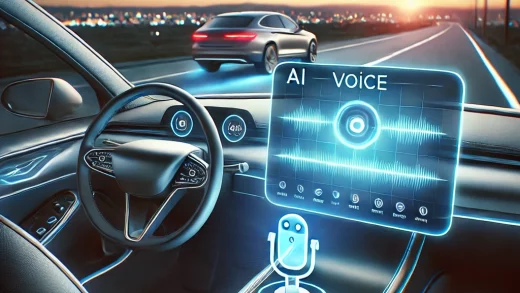
The integration of Artificial Intelligence (AI) and the Internet of Things (IoT) has revolutionized vehicle noise cancellation in 2024. AI-powered algorithms continuously adapt to changing road conditions and noise profiles, ensuring an optimal cabin environment.
IoT connectivity allows real-time updates to noise-cancellation software, enhancing performance and compatibility with other vehicle systems. For instance, adaptive noise-cancellation systems can sync with navigation data, preparing the vehicle for changes in road surface or speed. This level of intelligence not only improves the experience for passengers but also sets the stage for advancements in autonomous driving systems, where a quiet cabin is essential for occupant comfort.
The Role of Sustainability
Sustainability is another key focus in noise cancellation technology. Automakers are turning to eco-friendly materials, such as recycled composites and bio-based foams, to enhance sound insulation. This approach aligns with growing consumer demand for greener vehicles and stricter emissions regulations in both the US and Europe.
Electric vehicles are naturally quieter than their gasoline-powered counterparts, but manufacturers are also addressing challenges like pedestrian safety. Regulatory requirements now mandate the inclusion of artificial external sounds in EVs to alert pedestrians, which adds another layer of complexity to noise management.
What’s Next for Noise Cancellation?
As we look to the future, the possibilities for vehicle noise cancellation technologies are endless. Quantum computing and advanced simulations could unlock new approaches to sound wave manipulation. Materials with self-adaptive acoustic properties might soon become a reality, transforming the way vehicles manage noise.
For now, automakers continue to refine existing technologies, delivering vehicles that combine luxury, performance, and peace of mind. Whether you’re embarking on a long road trip or navigating the daily grind, advancements in noise cancellation are ensuring that 2024’s vehicles are quieter and more enjoyable than ever before.
Conclusion
In the competitive automotive market, noise cancellation technology has become a game-changer for both traditional automakers and EV pioneers. By blending state-of-the-art innovations with consumer-centric designs, the industry is redefining what it means to drive in comfort.
For drivers in the US, Europe, and beyond, the future of noise-free travel is already here. So, the next time you slide into a car, take a moment to appreciate the seamless harmony of technology and tranquility—a true testament to how far we’ve come.