Connected electric vehicles are quickly becoming rolling smart devices. Features like voice assistants, real-time navigation, remote controls, and app-based personalization are no longer luxuries; they’re expected. In the US and Europe, drivers have embraced “Hey Tesla,” “Hey BMW,” and “Hey Mercedes” voice interfaces that turn the cabin into an interactive digital space. But as EVs grow smarter, they also collect more data than ever — and that raises important questions. How secure is the voice assistant? What kind of data does the car gather? Where is it stored? And how can automakers keep all that information safe?
The answers matter. In-car privacy and cybersecurity are now central to trust in EV brands. As vehicles become more connected, keeping driver data secure becomes just as important as range, charging speed, or design.
Why Voice Assistants Are Becoming Essential in EVs
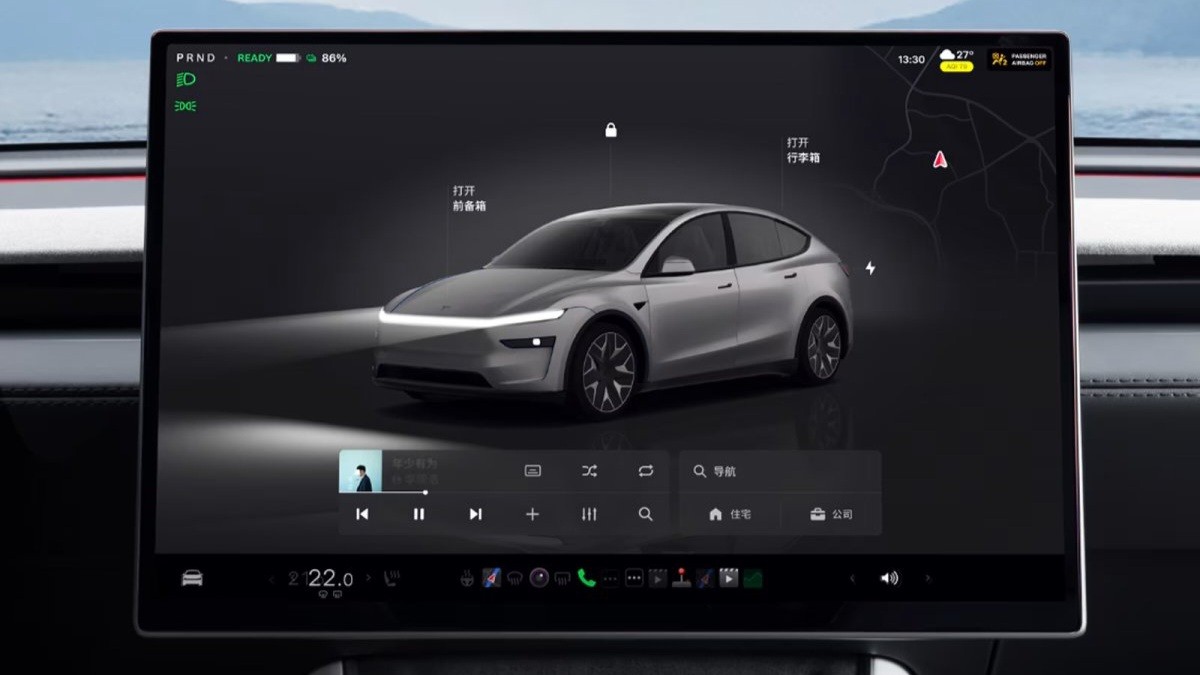
EVs rely heavily on software for navigation, climate control, charging, and safety systems. Voice assistants help reduce distraction by allowing drivers to interact with these features hands-free. “Hey Tesla” can set the temperature, open the glovebox, or adjust autopilot settings. Other brands offer similar features, all designed to keep drivers focused on the road.
Voice systems also create continuity between the car and the digital world. Many EV owners already use smart assistants at home. Bringing that convenience into the vehicle makes the experience feel modern and unified. But the convenience comes with trade-offs: for voice assistants to work, they must listen, process commands, and often send data to the cloud. That data flow must be protected at every step.
What Data Connected EVs Collect — and Why It Matters
A connected EV gathers information from many sources. This can include voice commands, driving behavior, cabin temperature settings, location history, charging habits, and even sensor data from cameras or radar. Much of this information is harmless on its own, but together it can create a detailed profile of a driver’s daily routine.
In Europe, laws like the General Data Protection Regulation (GDPR) establish strict guidelines about collecting and storing personal data. Drivers must be informed about what’s collected, have the ability to opt out where possible, and retain the right to delete their data. In the US, regulations vary, but public awareness around digital privacy is increasing quickly. Automakers selling EVs on both continents must design their systems with these expectations in mind.
As EVs become more autonomous, the importance of privacy grows even further. Advanced driver-assistance systems rely on continuous data to improve accuracy. Navigation algorithms adapt based on user habits. Even maintenance predictions require tracking usage patterns. The challenge for automakers is offering these helpful features without over-reaching into customers’ personal lives.
How Automakers Protect Voice and In-Car Data
To secure the growing pool of in-car data, automakers use several layers of protection. One of the most important is on-device processing. Instead of sending every spoken command to a cloud server, many systems now handle simple tasks directly within the car. This reduces the risk of sensitive audio leaving the vehicle unnecessarily.
When cloud processing is required — for example, for advanced speech recognition — data must be encrypted while being transmitted and again while stored. Automakers also set strict access controls so that only authorized systems can read sensitive information. Regular software updates, delivered over the air, help patch vulnerabilities before attackers can exploit them.
Another essential element is driver consent. Voice assistants typically remain inactive until the wake word is spoken. This prevents continuous recording and builds trust with users. Some systems also allow drivers to review or delete stored voice data, giving them more control.
Finally, automakers increasingly design their vehicles according to cybersecurity frameworks developed specifically for the automotive industry. These standards ensure that everything from the infotainment system to the battery-management software is secure and resistant to unauthorized access.
Tesla’s Approach: Convenience With Guardrails
Tesla has been a leader in connected-vehicle design, and its voice assistant plays a big role in the overall user experience. Most routine commands are processed in the vehicle, while more complex functions rely on the company’s broader software ecosystem. Tesla states that it anonymizes much of the diagnostic and usage data gathered from vehicles and gives users the option to limit what is shared.
Despite this, Tesla still faces challenges familiar to all automakers. Data from cameras and sensors must be handled carefully. Remote-access features, while convenient, must be tightly secured to prevent unauthorized control of the vehicle. And as Tesla rolls out more AI-based features, the relationship between user data and product improvement will continue to evolve.
The Road Ahead: Balancing Connectivity and Privacy
As voice assistants become more capable, EVs will rely even more on data to deliver personalized and safer driving experiences. The future may bring cars that understand natural conversation, predict driver needs, or sync seamlessly with home and work devices. But with greater intelligence comes greater responsibility.
For EV makers in the US and EU, the path forward is clear: invest in stronger cybersecurity, reduce unnecessary data collection, and communicate transparently with drivers about how their information is used. When done right, voice assistants can make driving safer and more enjoyable without compromising privacy.
In the end, securing the “Hey Tesla” era isn’t just about technology. It’s about trust — and trust is what will define the next generation of connected electric vehicles.