Electric freight transport is rapidly becoming a central conversation in both the US and Europe as logistics companies push for cleaner, more efficient operations. The shift toward battery-electric and hybrid electric trucks is happening quickly, but one major challenge still affects daily operations: knowing when and where to charge. Unlike diesel trucks, which can refuel almost anywhere and at any time, electric trucks rely heavily on the availability of properly sized chargers along their routes. This makes smart routing — a system that plans freight routes around real-time charging availability — essential for keeping EV freight moving smoothly and on schedule.
Smart routing doesn’t just help drivers find chargers. It helps fleets manage energy use, avoid delays, maximize uptime, and maintain predictable delivery schedules. With the right technology in place, EV freight can operate with the same reliability as traditional diesel fleets while delivering significant sustainability advantages.

Why Electric Freight Requires Smarter Planning
Routing for electric freight involves more variables than routing for diesel vehicles. Heavy-duty EVs have larger batteries, longer charging times, and more specific charging requirements. Not every charging station can accommodate a long-haul truck, and not every charger delivers the high power levels needed for fast turnarounds.
EV freight routing must consider battery capacity, load weight, terrain, weather, driving speed, and driver rest requirements. These factors influence how quickly a truck uses energy and how often it must stop to charge. When chargers are scarce along long corridors — as is still the case in parts of both the US and Europe — fleets need strategic, data-driven routing more than ever.
For many logistics companies, depot charging provides stability. Trucks can begin the day with a full battery, and fleets can schedule charging overnight or between shifts. However, long-haul routes, multi-stop deliveries, and unpredictable schedules require flexibility, and that is where smart routing becomes indispensable.
What Smart Routing Tools Actually Do
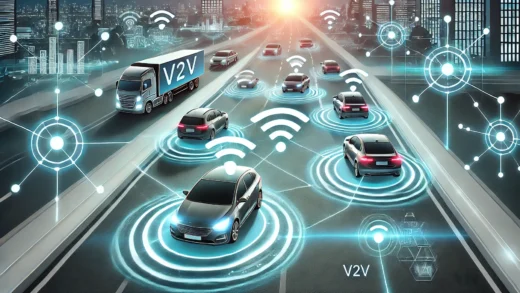
Smart routing systems combine vehicle data, charger information, location analytics, and predictive algorithms to map out the most efficient route for an electric freight truck. These tools calculate the best places to charge based on real-time station availability, expected arrival times, charging power, and potential congestion.
They also consider driver rest schedules, ensuring that charging breaks align with required meal or rest periods, creating less downtime and more efficient use of time. If a charger on the route becomes unavailable or highly congested, the system can adjust the route automatically, steering the truck toward an alternative charger.
For dispatchers and fleet managers, smart routing dashboards provide a real-time overview of all trucks on the road, their current state of charge, and upcoming charging needs. This increases operational visibility and helps prevent delays that could affect entire logistics chains.
Charging Infrastructure Gaps in the US and Europe
Both regions are making aggressive investments in public and private charging networks for heavy-duty trucks. Europe is deploying freight-focused charging hubs along major corridors, and the US is building strategic fast-charging networks along interstates. Despite this progress, neither region has complete coverage yet.
In rural areas, border crossings, or newer freight corridors, charging options may still be limited. This lack of uniform infrastructure means EV freight fleets cannot rely solely on public chargers and must plan every trip with careful attention to the chargers that do exist.
Smart routing bridges this gap. Instead of guessing or risking a charger being full, offline, or incompatible, fleets receive real-time updates on station status, opening hours, and power availability. This improves confidence and reduces the risk of costly detours.
Benefits for Fleets and Drivers
Smart routing improves reliability by ensuring trucks always have access to charging when needed. Missed deliveries, late arrivals, and unscheduled downtime become far less frequent. This predictability is critical in industries where timing is everything, such as retail distribution, perishable goods, and high-value cargo transport.
Energy costs can also be optimized. Smart routing tools can guide trucks to chargers offering lower energy prices or allow charging during off-peak times when electricity rates are cheaper. With fleet operating margins often tight, these savings add up significantly over time.
Drivers benefit too. Smart routing reduces stress by eliminating uncertainty around charger availability. A truck arrives at a charging hub knowing it will have an available stall or an assigned reservation. This makes journeys more predictable and helps drivers stay within legal rest limits without rushing or improvising.
Challenges That Still Need Solving
While smart routing is powerful, its accuracy depends on high-quality data. If chargers do not report real-time availability or experience unexpected outages, routing systems may provide suboptimal suggestions. Standardizing charger data and ensuring constant communication remains an industry priority.
Charging speed is another concern. Even with fast chargers, heavy-duty trucks may need substantial charging time to reach operational range. Smart routing must manage these time requirements in ways that fit tightly coordinated delivery schedules.
Finally, fleet operators must integrate smart routing with their existing logistics platforms, maintenance schedules, and energy-management systems. Though integration is improving, widespread compatibility is still a work in progress.
The Road Ahead for Smart EV Freight Routing
As charging networks expand, battery technology improves, and routing algorithms grow more advanced, electric freight will become increasingly seamless. Smart routing will evolve from a helpful tool into a foundational part of logistics planning. Fleets will use dynamic, predictive routing that adjusts continuously with grid load, weather, traffic, and charging availability.
In the near future, freight EVs may automatically choose routes based on the lowest carbon intensity, the cheapest electricity, or the fastest rest-stop charging sequence. This will empower fleets to optimize cost, sustainability, and operational performance simultaneously.
Smart routing is the key to unlocking efficient electric freight movement across the US and Europe. By aligning vehicle needs with real-time charging availability, it enables electric trucks to operate reliably, meet delivery commitments, and support a cleaner logistics ecosystem.