Parking is one of the most challenging aspects of driving, whether you’re navigating a crowded city street or fitting into a tight spot in a busy parking lot. Scrapes, dents, and stress are all-too-common outcomes of parking mishaps. Fortunately, 2024 brings a revolutionary solution: hyper-sensitive parking systems. These advanced systems are designed to make parking effortless, precise, and damage-free, transforming what was once a dreaded task into a seamless experience.
Both the United States and Europe are embracing hyper-sensitive parking technology, but the ways in which these systems are being adopted reflect regional differences. From sprawling American suburbs to Europe’s compact cities, hyper-sensitive parking systems are making life easier for drivers everywhere.
What Are Hyper-Sensitive Parking Systems?
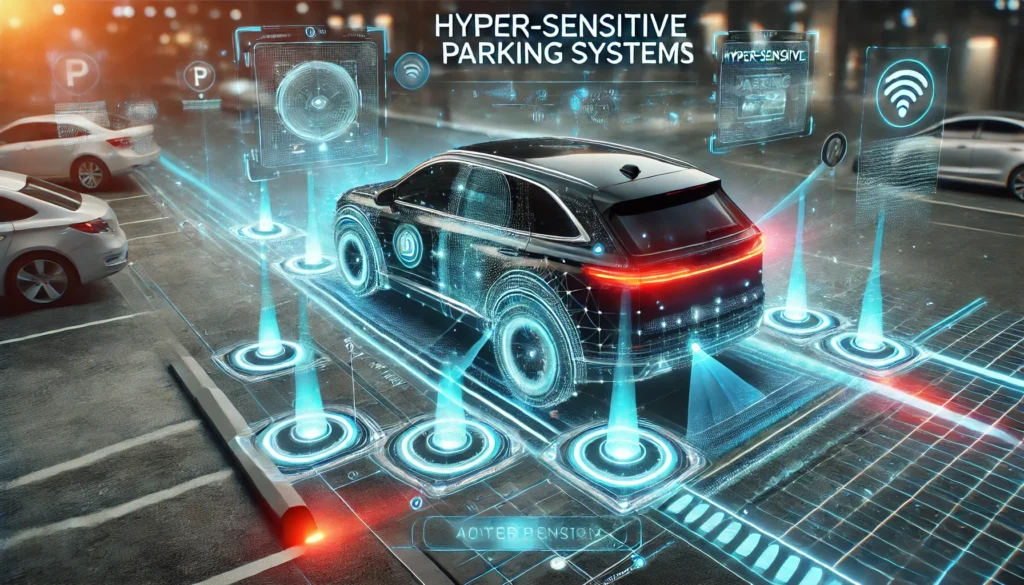
Hyper-sensitive parking systems leverage advanced sensors, cameras, and AI technology to provide ultra-precise parking assistance. These systems can detect even the smallest obstacles, including curbs, posts, or nearby vehicles, and guide drivers to park safely. By offering real-time feedback and visual or auditory alerts, they eliminate guesswork and reduce the risk of accidents or scratches.
Some hyper-sensitive systems go beyond assistance, taking full control of the parking process. Using autonomous capabilities, these systems can parallel park or reverse into tight spaces without requiring input from the driver. For added precision, certain systems even use ultrasonic sensors and 360-degree cameras to create a detailed map of the parking environment.
The result is a stress-free, damage-free parking experience that saves time and enhances safety for drivers and pedestrians alike.
The US Approach: Convenience for Suburban and Urban Drivers
In the United States, hyper-sensitive parking systems are being widely adopted to address the country’s diverse parking needs. While suburban areas often offer larger parking spaces, urban centers like New York and San Francisco present unique challenges, such as narrow streets and high vehicle density. These contrasting environments have made parking technology a sought-after feature across the board.
American automakers, including Tesla, Ford, and Chevrolet, are leading the charge with systems that prioritize convenience and user experience. Features like parking spot detection, automated parallel parking, and curb avoidance are becoming standard in many high-end and mid-range vehicles. Tesla’s Smart Summon feature, for instance, allows cars to autonomously navigate parking lots to pick up their owners, showcasing the power of hyper-sensitive technology.
US drivers value comfort and efficiency, and hyper-sensitive parking systems cater to these preferences. Whether navigating a mall parking lot or a city street, these systems offer peace of mind and reduce the risk of costly damages.
Europe’s Take: Precision and Adaptability for Compact Spaces
In Europe, hyper-sensitive parking systems are particularly useful in cities where space is at a premium. Narrow streets, tightly packed vehicles, and small parking spaces are common in cities like Paris, London, and Rome, making precision an essential requirement for parking.
European automakers, including BMW, Mercedes-Benz, and Audi, are at the forefront of developing advanced parking systems tailored to these challenges. These systems excel in tight spaces, using ultrasonic sensors and high-resolution cameras to navigate even the trickiest spots. Features like automated parallel parking and cross-traffic alerts enhance safety and reduce stress, particularly in dense urban environments.
Additionally, Europe’s focus on sustainability is influencing parking technology. Electric vehicles (EVs) equipped with hyper-sensitive parking systems can navigate directly to EV charging spots, optimizing parking for eco-conscious drivers. This integration aligns with Europe’s commitment to reducing emissions and promoting green mobility.
Why Hyper-Sensitive Parking Systems Matter
Hyper-sensitive parking systems are more than just a luxury—they’re a practical solution to common driving challenges. By reducing the likelihood of parking accidents, these systems save drivers money on repairs and insurance premiums. They also contribute to smoother traffic flow in crowded areas by minimizing the time spent searching for and adjusting into parking spots.
Safety is another major benefit. These systems protect not only the driver’s vehicle but also pedestrians, cyclists, and other vehicles nearby. For families, especially those with young children, the added safety features provide peace of mind.
Challenges and the Road Ahead
While hyper-sensitive parking systems are highly effective, they are currently more common in premium vehicles. In the US, scaling these systems to affordable models is a key challenge. Europe, with its strict environmental and safety standards, is focused on integrating this technology into electric and compact vehicles.
Privacy concerns are another consideration, particularly with systems that use cameras and data sharing. Automakers must prioritize data security and transparency to build consumer trust as the technology becomes more widespread.
As costs decrease and technology improves, hyper-sensitive parking systems are expected to become a standard feature in most vehicles. Innovations in AI and sensor technology will further enhance their precision, making parking safer and more accessible for everyone.
A Smarter Way to Park
Hyper-sensitive parking systems are redefining what it means to park a car. In the US, they offer convenience for drivers navigating varied environments, while in Europe, they meet the demands of compact spaces and sustainability goals. As these systems continue to evolve, they’re paving the way for a safer, smarter driving experience.
Whether you’re parking in a suburban mall in the US or a bustling European city, hyper-sensitive parking systems ensure you can do so with ease, precision, and peace of mind. The future of parking is here, and it’s hyper-sensitive.