The vision of smart cities is no longer a distant dream but a reality taking shape across India. Among the many advancements that are transforming urban living, automated traffic management systems (ATMS) are leading the charge. In 2025, as cities strive to tackle growing populations and increasing traffic congestion, India is looking to global inspirations, especially from the US, to develop robust and efficient systems. These automated solutions promise to redefine mobility, making travel smoother, safer, and more sustainable.
The Need for Smarter Traffic Solutions in India
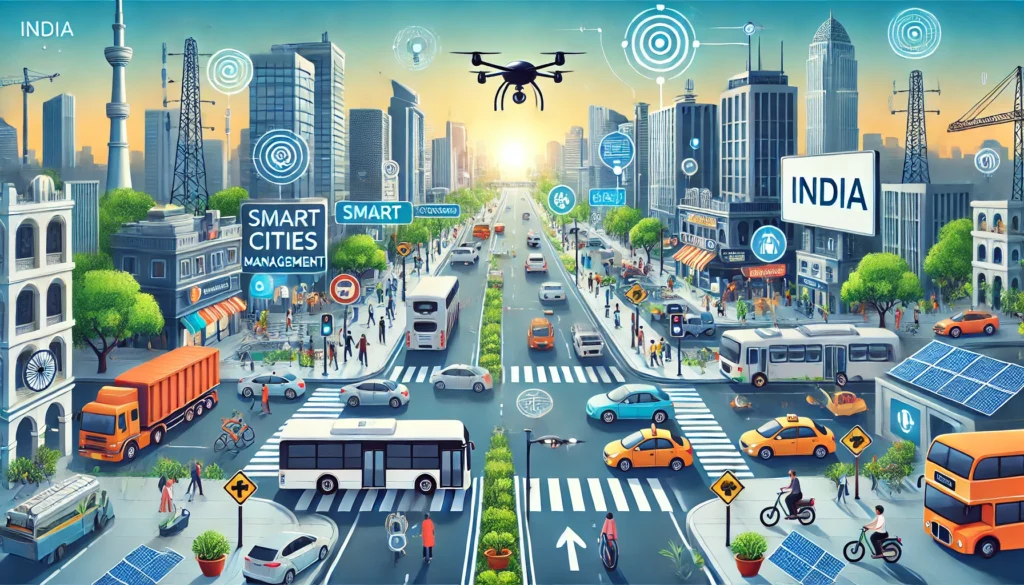
India’s bustling urban centers are known for their vibrant energy, but they also face a challenge that affects millions daily—traffic congestion. Rapid urbanization has led to an exponential increase in vehicles on the roads, often overwhelming traditional traffic management methods. This issue is further compounded by a lack of proper infrastructure in older cities and unpredictable driving patterns.
Automated traffic management systems offer a way out of this chaos. By leveraging advanced technologies such as artificial intelligence, the Internet of Things (IoT), and real-time data analytics, these systems can optimize traffic flow, reduce congestion, and even enhance road safety.
Learning from the US: A Benchmark for Success
When it comes to automated traffic management, the United States has been a pioneer. Cities like Los Angeles, New York, and Seattle have implemented AI-driven systems that monitor traffic patterns, adjust signal timings, and even predict congestion before it occurs. In some US cities, autonomous vehicles are integrated into the network, further streamlining urban mobility.
India is now adapting these strategies to its unique challenges. While the road networks and traffic dynamics differ significantly between the two nations, the underlying principles of smart systems—data-driven insights, connectivity, and automation—remain universal. The goal is to create solutions that cater to India’s diverse traffic scenarios, from crowded metropolitan areas to smaller tier-2 cities.
How Automated Traffic Management Systems Work
At the heart of an automated traffic management system is the ability to collect and process real-time data. In India, this involves installing smart cameras, sensors, and connected devices at key intersections and along major roads. These devices monitor vehicle movement, pedestrian activity, and even environmental conditions like weather and air quality.
AI algorithms then analyze this data to identify traffic bottlenecks, predict potential accidents, and recommend solutions. For instance, during peak hours, these systems can dynamically adjust traffic signal timings to prioritize high-traffic routes. They can also provide drivers with alternate route suggestions via mobile apps or navigation systems, reducing overall congestion.
In addition, these systems play a crucial role in enforcing traffic laws. With automated cameras capturing violations like speeding or running red lights, authorities can ensure better compliance without relying solely on human intervention.
Benefits for Indian Cities
The introduction of automated traffic management systems brings numerous benefits to Indian cities. Perhaps the most immediate impact is the reduction in traffic jams. With more efficient signal management and real-time rerouting, drivers spend less time on the road, leading to lower fuel consumption and reduced emissions.
Road safety also sees a significant boost. Automated systems can detect reckless driving behaviors and alert authorities before accidents occur. Moreover, smoother traffic flow minimizes the risk of collisions, especially at busy intersections.
Another advantage lies in the potential for long-term urban planning. By analyzing traffic data collected over months or years, city planners can identify patterns and design better infrastructure, such as flyovers, underpasses, and dedicated lanes for public transport or bicycles.
Challenges and the Road Ahead
While the promise of automated traffic management is exciting, its implementation in India comes with challenges. The initial setup requires significant investment, which can be a hurdle for cities with tight budgets. Additionally, integrating these systems into older infrastructure is no small feat.
Public awareness and cooperation are also critical. Drivers need to trust and follow automated suggestions, and authorities must ensure that the data collected is used ethically and securely.
Despite these hurdles, the momentum toward smarter traffic systems is undeniable. With initiatives like the Smart Cities Mission, India is making significant strides toward embracing automation in urban management.
A Vision for the Future
As India advances in automated traffic management, the comparison with the US serves as both inspiration and guidance. By tailoring global solutions to local needs, Indian cities have the opportunity to create traffic systems that are not just efficient but also inclusive and sustainable.
In 2024, the rise of smart cities and automated traffic management systems is a testament to India’s commitment to technological innovation. As these systems continue to evolve, they promise a future where daily commutes are less stressful, roads are safer, and urban life is more connected than ever before. It’s not just about getting from point A to point B—it’s about redefining the journey itself.